Content from the Journal of the American Neurological Surgeons.
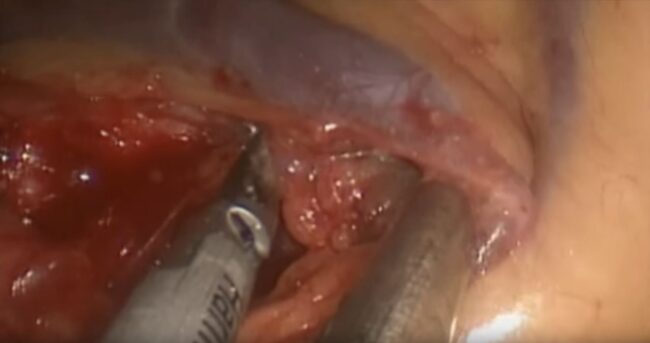
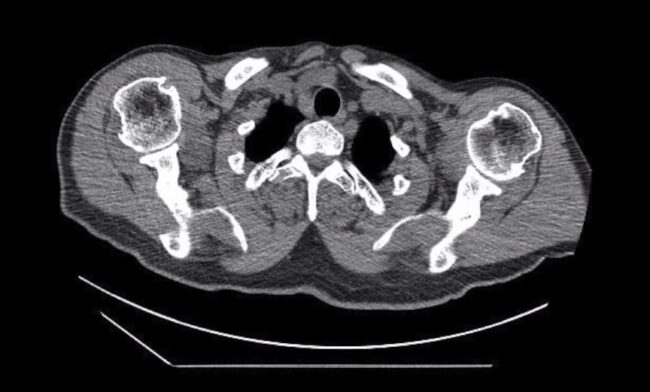
A 65-year-old woman presented to the authors’ clinic with right upper chest wall pain. A chest x-ray revealed a right-upper lobe mass. CT and PET/CT confirmed the presence of a 5 cm RUL mass infiltrating the chest wall at the level of the posterior arch of the 4th and 5th ribs. There was no evidence…
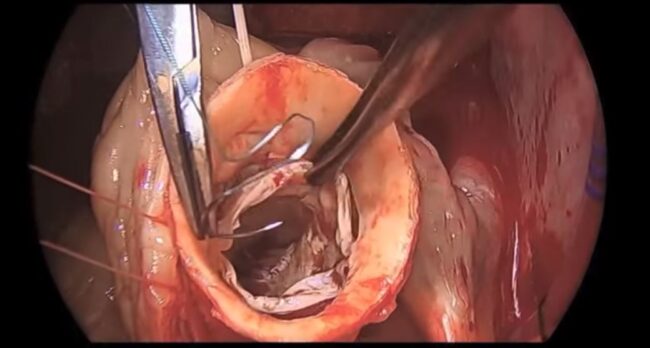
Fred Mohr of the Heart Center, Leipzig, Germany, discusses the benefits of using a ministernotomy approach to aortic valve surgery, including the potential for less morbidity and mortality, and better early recovery. Dr. Mohr also shares his best practices for the ministernotomy approach. This presentation was originally given during the SCTS Ionescu University program at…
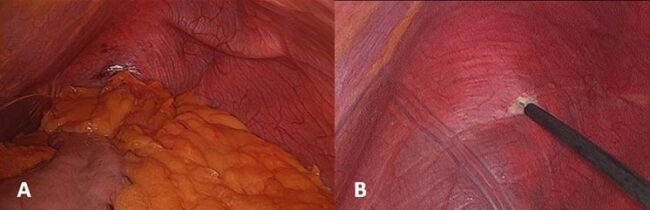
Laparoscopic diaphragmatic plication is a safe and effective operation in carefully selected patients. Laparoscopic diaphragm plication was first reported by Hüttl et al in three patients (1). The authors’ previously published experience demonstrated significant improvement in dyspnea, quality of life, and pulmonary function tests in patients with unilateral diaphragm paralysis or eventration (2). The approach…
Steffen Pfeiffer of Paracelsus Medical University, Nurnberg, Germany, delivers a talk on sutureless prostheses and their role in minimally invasive aortic valve replacement. Dr. Pfeiffer discusses the benefits of using sutureless valves, and argues that minimally invasive surgery with a sutureless valve is an important alternative to catheter-based techniques. This presentation was originally given during…
Surgeons performing esophageal surgery should have endoscopic skills to manage endoluminal situations. Meticulous attention to detail, draining infection, sealing leaks, and removing stents before they erode into adjacent structures is critical to achieving a good patient outcome. The objective of this video is to review tools that may be used when endoluminally managing an esophageal…
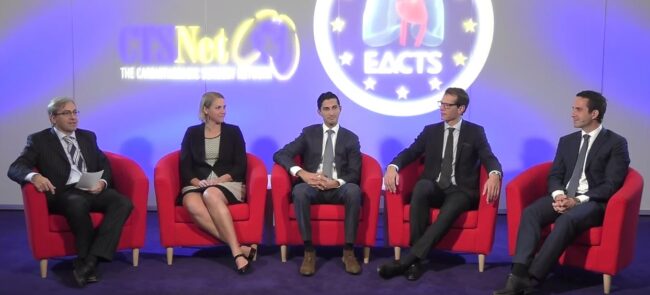
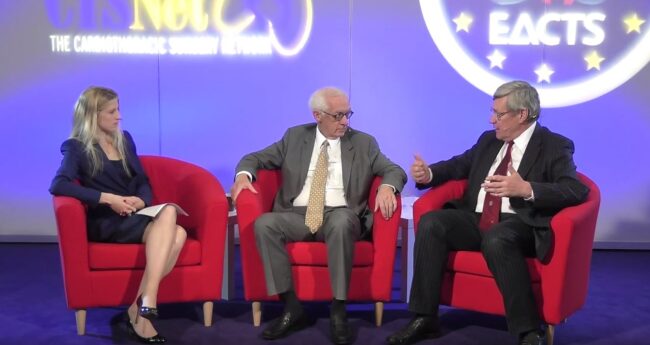
Domenico Pagano moderates a discussion with Suzanne Arnold, Mostafa Mokhles, Stuart Head, and Ruben Osnabrugge on conducting research during cardiothoracic surgery training. The roundtable was recorded at the 2015 EACTS Annual Meeting in Amsterdam, the Netherlands. The panelists share their personal experiences in this regard, and consider the professional and personal benefits of undertaking research…
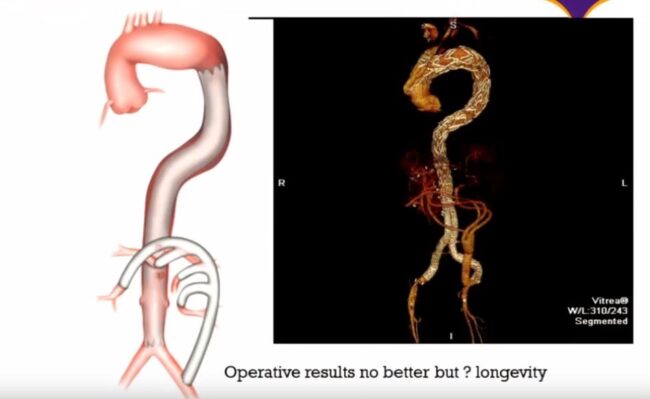
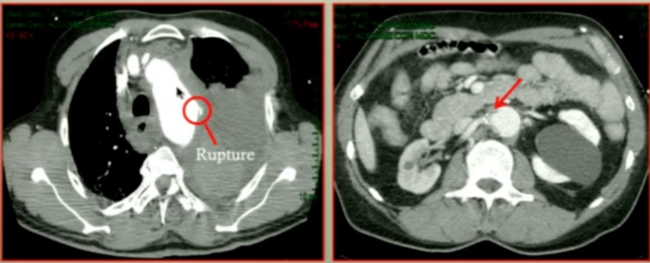
Aung Oo of the Liverpool Heart and Chest Hospital, Liverpool, United Kingdom, delivers a talk on decision-making in thoracoabdominal aortic aneurysm repair. Dr. Oo stresses the importance of a multi-disciplinary team approach in order to avoid supspecialty bias. This presentation was originally given during the SCTS Ionescu University program at the 80th Annual Meeting of…
P2 prolapse is the most common cause of degenerative mitral regurgitation. In the era of respect rather than resect, most of these cases are repaired with neochorda and folding of the tall P2 segment. When the enlarged P2 is thickened and calcified, a limited triangular excision is necessary for proper repair. This video presents a…
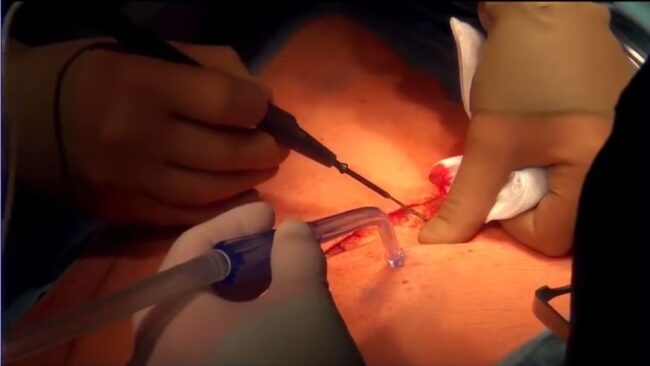
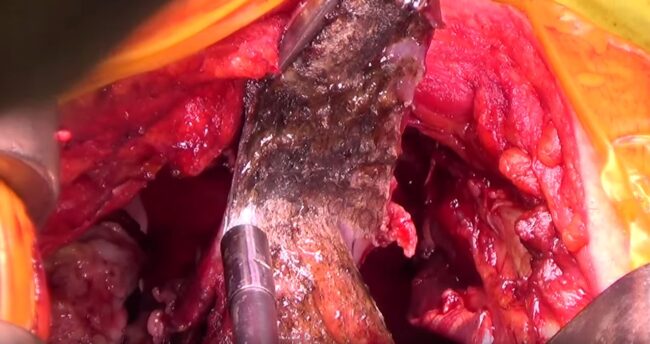
Decortication of thoracic empyema can be a challenging procedure associated with significant morbidity and mortality. The authors present a novel technique in which argon plasma energy (APE) is utilized to perform meticulous decortication, while preserving the lung parenchyma. In the authors’ view, this technique results in excellent lung expansion and a significant reduction in post-operative…
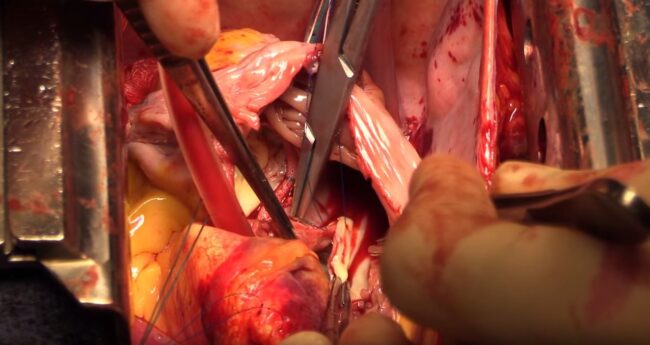
2015 Resident Video Competition Award Winner This video demonstrates the superior transeptal approach to the left atrium in a patient requiring mitral and tricuspid valve repairs.
Leanne Harling moderates a debate on surgeon-specific outcomes reporting between Michael Mack of the Heart Hospital Baylor, Plano, Texas, and Stephen Westaby of John Radcliffe Hospital, Oxford, United Kingdom. The debate covers the origins of public outcomes reporting, the balance involved in fostering surgical innovation while maintaining patient safety, and the current state of public…
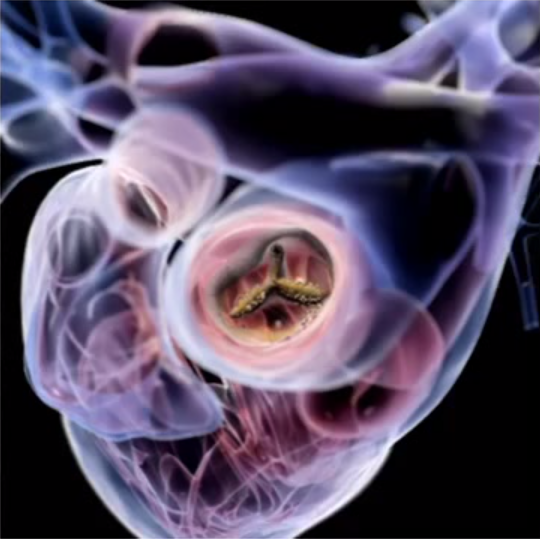
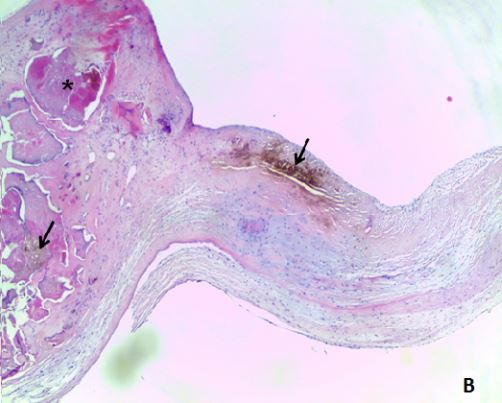
Introduction Alkaptonuria is a rare genetic disorder of tyrosine metabolism (1). The most common clinical features are urine discoloration, tissue pigmentation, and ochronotic arthropathy. Less common manifestations include renal, urethral, and prostate calculi, and cardiovascular abnormalities, especially valvular disease (2). The authors present the case of a patient with alkaptonuria, diagnosed only during open heart…
A 53-year-old male patient with cerebral palsy was admitted to a health center with contraction of his muscles. After his physical and other examinations were completed, a tumor believed to be a parathyroid adenoma was detected. His parathormone (494.6 pg/ml) and calcium (12.33 mg/dl) levels were very high. He was referred to the authors’ clinic when parathyroid scintigraphy showed that the adenoma was located in the mediastinum.…
In an interview filmed at the 2015 SCTS Annual Meeting, Mohamad Bashir talks with Dianna Milewicz about her research into the genetics behind aneurysms. Dr. Milewicz is the Director of the Division of Medical Genetics and Vice-Chair of the Department of Internal Medicine at the University of Texas Medical School, Houston, Texas. Dr. Milewicz discusses…
Davide Pacini of the S. Orsola-Malpighi Hospital, Bologna, Italy, poses the question: should the aortic arch be replaced during acute type A dissection repair? Dr. Pacini discusses the role of the frozen elephant trunk in these cases. This presentation was originally given during the SCTS Ionescu University program at the 80th Annual Meeting of the…
Certain ascending aneurysms have a dominant burden in the tubular ascending segment, but also have involvement of either, or both, the root and arch to a much lesser extent. In this video, a 52-year-old otherwise healthy man with mild aortic stenosis of the bicuspid aortic valve and 2+ eccentric aortic insufficiency, was noted to have aortic…