Content from the Journal of the American Neurological Surgeons.
In the second session of this series of webinars, CTSNet hosted a discussion on, “Advanced Aortic Root Surgery—Series 2,” in collaboration with Getinge. The webinar was broadcasted to a live audience on December 6, 2023. The panel featured moderator Laurent De Kerchove (Cliniques Universitaires Saint-Luc), speaker James Anderson (HCA North Texas Division), and speaker Tomas…
This video presents a fifty-six-year-old male who was admitted to the hospital with ten days of bilateral upper quadrant pain that was intermittently sharp without radiation with associated decreased appetite and exertional chest pain. A routine CT scan of the chest was obtained, which demonstrated a Morgagni hernia with concern for ventricular compression. The patient…
In this recording from the 2023 Transcatheter Heart Valves Greece conference, Dr. Konstantinos Koulogiannis, a cardiothoracic surgeon at Morristown Medical Center in new Jersey, USA, discusses M-TEER technology maturation and how it enables treatment of most anatomies. Disclaimer The information and views presented on CTSNet.org represent the views of the authors and contributors of the…
This video presents the case of a Ross procedure performed on a seven-year-old girl who presented with dyspnea upon exertion. The patient had been diagnosed at the age of six months to with congenital aortic stenosis. She had previously undergone a balloon aortic valvotomy at the age of six months but was discovered to have…
This video is part of CTSNet’s 2023 Innovation Video Competition. Watch all entries into the competition, including the winning videos. Various surgical techniques have been used for aortic arch repair, and hypothermic circulatory arrest with adjunctive cerebral protection strategy is the standard practice today. However, morbidity and mortality remain significant for both non-dissection and dissection…
At the 2023 EACTS Annual Meeting, CTSNet Editor in Chief Joel Dunning and CTSNet senior editors set out to interview the most knowledgeable CT surgeons from around the world. Stay tuned for more interviews from the meeting. CTSNet Editor in Chief Joel Dunning spoke with Dr. David Waller about the MARS-2 mesothelioma clinical trial. They…
Constrictive pericarditis results from chronic fibrous thickening, and occasionally calcified adherence of the pericardium. The inelastic constriction of the pericardium impairs ventricular filling, resulting in increased filling pressures and decreased cardiac output (1). Surgical pericardiectomy is the preferred treatment for constrictive pericarditis and is usually performed via median sternotomy using cardiopulmonary bypass or lateral thoracotomy…
This video is part of CTSNet’s 2023 Innovation Video Competition. Watch all entries into the competition, including the winning videos. This video presents the case of a fifty-six-year-old woman with progressive dysphagia caused by an aberrant retroesophageal right subclavian artery. A treatment team composed of vascular and thoracic surgeons approached this case with a two-stage…
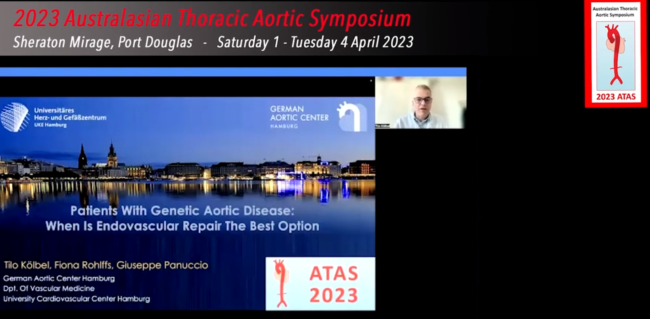
As a part of the 2023 Australian Thoracic Aortic Symposium, Prof. Tilo Kolbel presented on how to identify false lumen occlusion techniques in chronic TBAD and how they function. Prof. Kolbel is a professor of vascular surgery and a cardiothoracic surgeon at the University of Hamburg in Germany and served as an international guest presenter…
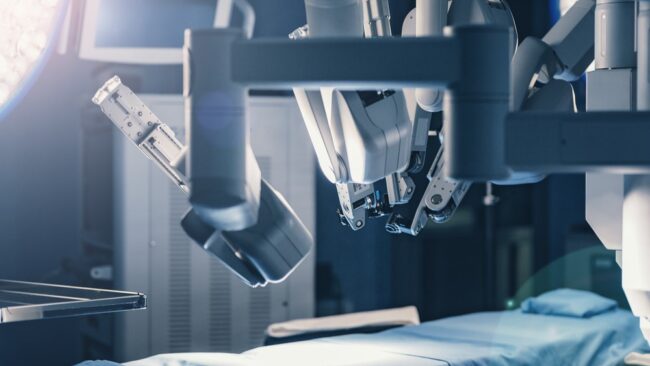
Video-assisted thoracoscopic surgery (VATS) has become the choice of modality for thoracic surgeons globally because it reduces the rate of postoperative morbidities and shortens hospital stay without compromise to oncological outcomes. Recently, robotic surgery has gained popularity, offering greater precision via robotic wristed instruments under the latest 3D camera vision in abdominal as well as…
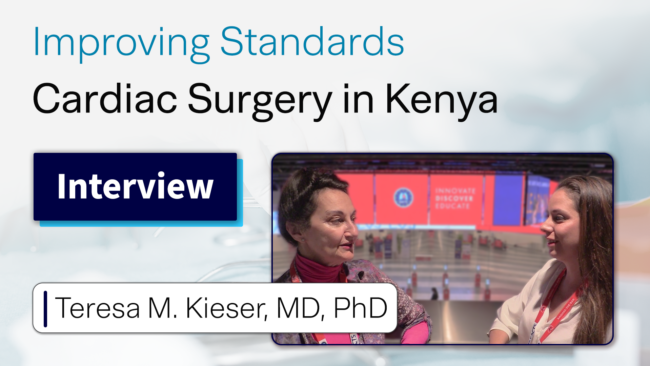
At the 2023 EACTS Annual Meeting, CTSNet Editor in Chief Joel Dunning and CTSNet senior editors set out to interview the most knowledgeable CT surgeons from around the world. Stay tuned for more interviews from the meeting. CTSNet Cardiac Editor Dr. Lorena Montes caught up with Prof. Teresa M. Kieser about her involvement as the…
This video is the third-place winner from CTSNet’s 2023 Innovation Video Competition. Watch all entries into the competition, including the other winning videos. Patients who undergo rapid cannulation for ECMO cardiopulmonary bypass resuscitation (eCPR) have large cannulas placed in the femoral vessels. When ECMO is no longer needed these cannulas have typically been removed. The…
This video is the second-place winner from CTSNet’s 2023 Innovation Video Competition. Watch all entries into the competition, including the other winning videos. The near-infrared fluorescence imaging system is an innovative technology that can help surgeons to easily and safely perform video-assisted thoracoscopic thoracic duct ligation for the treatment of chylothorax. This video presents two…
This is the first-place winning video from the 2023 CTSNet Innovation Video Competition. Watch all entries into the competition, including the runner-up and third place winner. Watch Prof. Amirghofran’s Interview with CTSNet Senior Editor Prof. Sameh Said regarding his presentation at the 2023 EACTS Annual Meeting. Advanced techniques in tricuspid valve repair have made it…
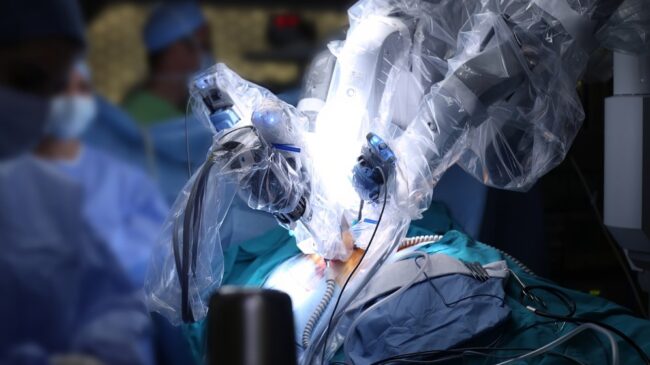
In this video, the author demonstrates a robotic left atrial myxoma resection. The author uses the same approach for all valve operations including AVRs and MV repairs, and an identical approach for HOCM. This video demonstrates the same technique being applicable to myxoma resection. Four 8 mm Intuitive robotic ports were used for the endoscope…
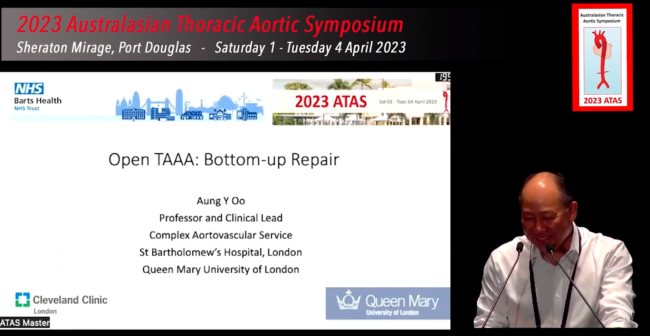
As a part of the 2023 Australian Thoracic Aortic Symposium, Dr. Aung Oo presented on his methods for bottom-up thoracoabdominal aortic aneurysm repair. Dr. Oo is a cardiothoracic surgeon at St. Bartholomew’s Hospital in London, UK. View Dr. Oo’s CTSNet profile for more of his articles and videos on topics in cardiac surgery. Disclaimer The…