Content from the Journal of the American Neurological Surgeons.
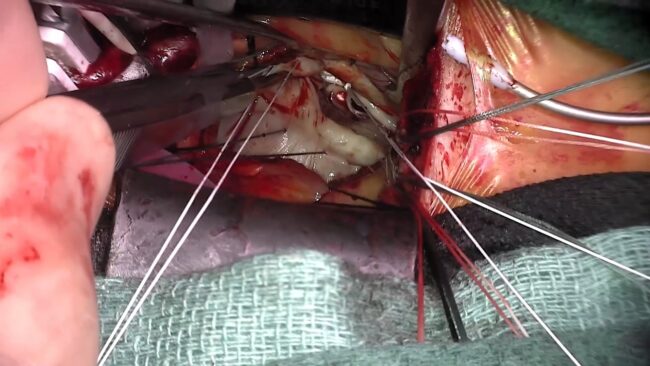
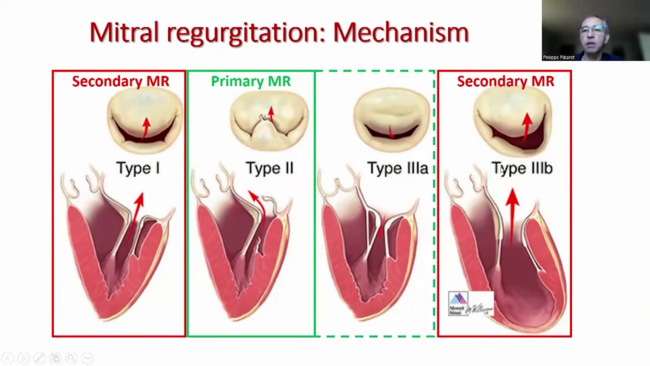
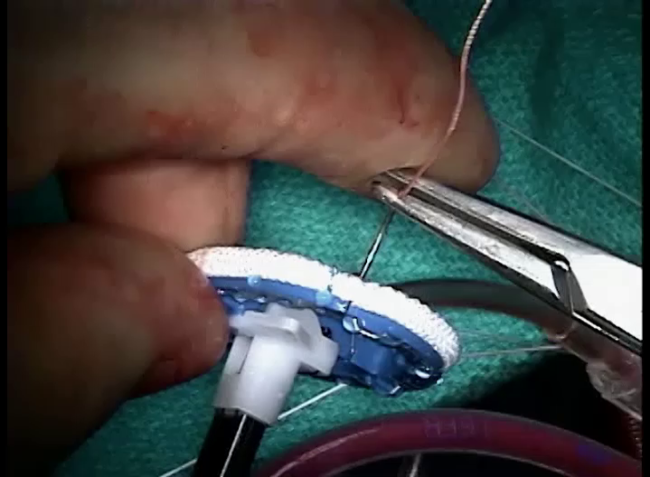
In this video, Dr Vince Gaudiani demonstrates how to perform an Onyx Chord-X chordal repair of a prolapsing medial commissure of the mitral valve. The patient had a prolapsing P1, which is caused prolapse of A1 as a result. First, Dr. Gaudiani cannulated the femoral vein, then performed an upper ministernotomy before placing a right…
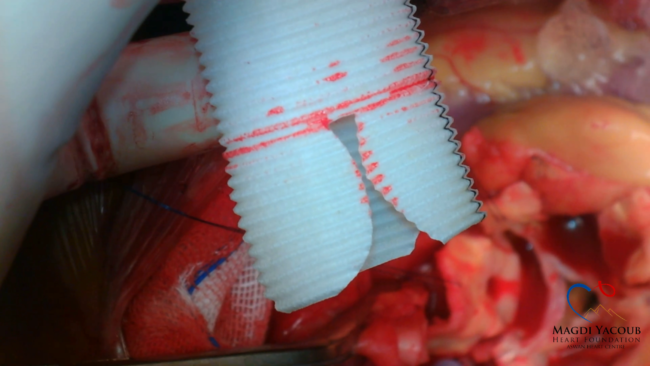
Since its introduction in 1982, the aortic root remodeling procedure, known as Yacoub’s procedure, has gained widespread recognition and acceptance. This can be attributed to its ability to circumvent the adverse consequences associated with anticoagulation therapy, replicate natural blood flow characteristics—particularly at the coronary ostia—alleviate shear stress on the aortic leaflets, and, most important, preserve…
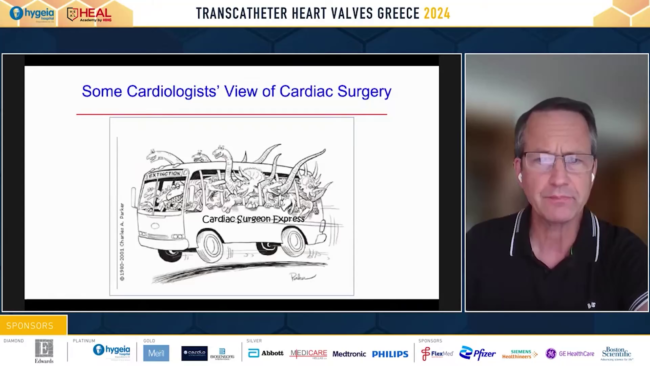
In May 2024, The Diagnostic and Therapeutic Center of Athens Hygeia organized the Transcatheter Heart Valves Greece 2024. The conference featured pivotal specialty insights from both local faculty and internationally renowned professionals. Watch for more TCHVG 2024 videos in the coming weeks. At the Transcatheter Heart Valves Greece 2024 conference, leading surgeons delivered presentations on various…
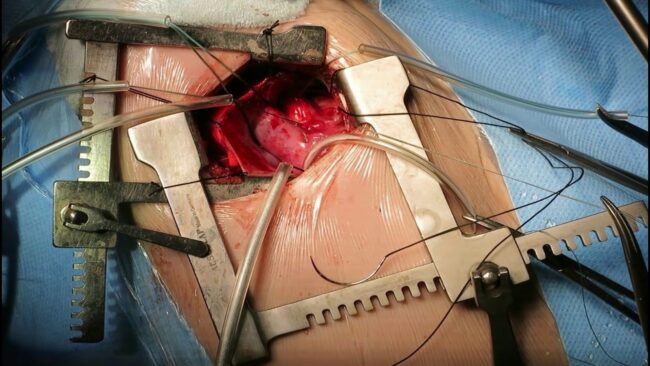
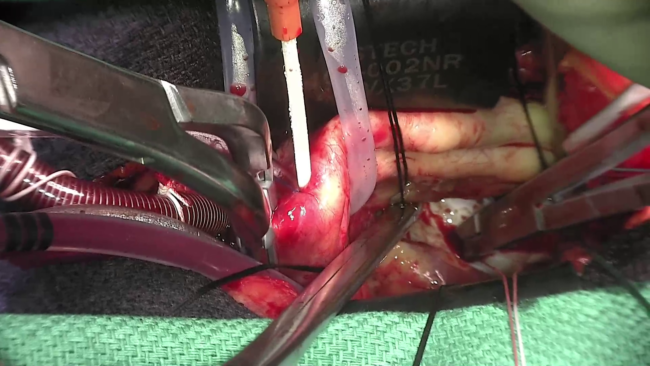
The minimally invasive approach has been utilized to correct numerous congenital cardiac anomalies, such as ASD, Partial AV canal, Subaortic web resection, VSD, and PAPVC with good results (1). This approach is described for the supracardiac TAPVC here. To the best of the authors’ knowledge, this is the first report pertaining to this particular type…
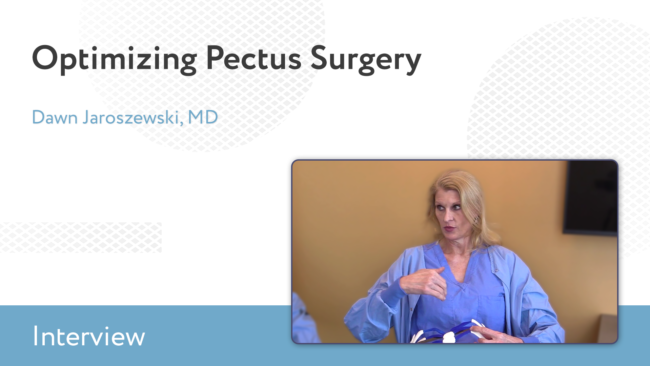
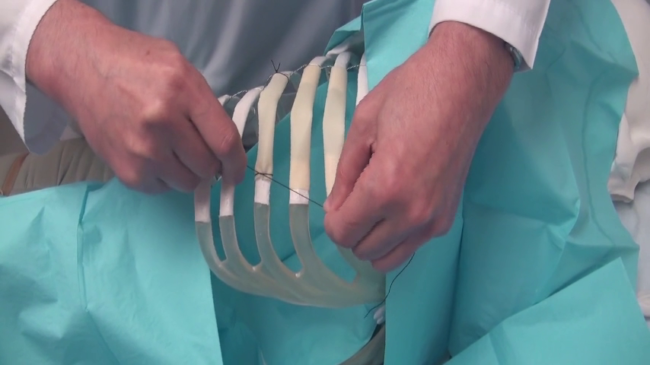
CTSNet Editor-in-Chief Joel Dunning spoke with Dr. Dawn Jaroszewski about optimizing pectus surgery. Dr. Jaroszewski addressed key issues, amounts of bars used in the procedure, and suppressing displacement of bars. She also discussed stabilizers vs bridges, removing bars, cryoanalgesia, and so much more. Watch Dr. Jaroszewski perform a NUSS procedure at the Mayo Clinic…
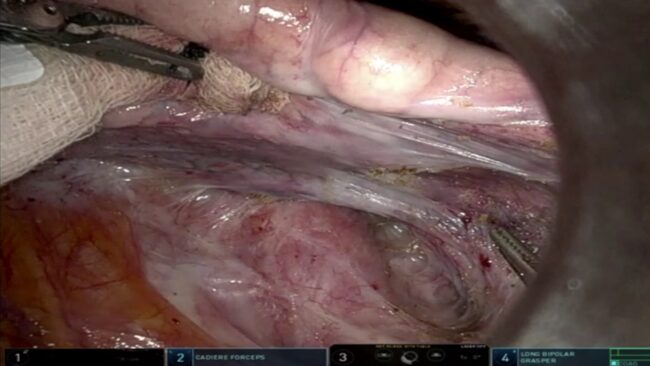
A 64-year-old woman with a history of Stage IIIA adenocarcinoma of the left lower lobe underwent robotic-assisted left lower lobectomy and mediastinal node dissection in 2016, followed by adjuvant chemotherapy. Subsequently, she was found to have brain metastasis requiring SBRT and mediastinal adenopathy that was biopsy-proven recurrence in 2019. At that time, she started on…
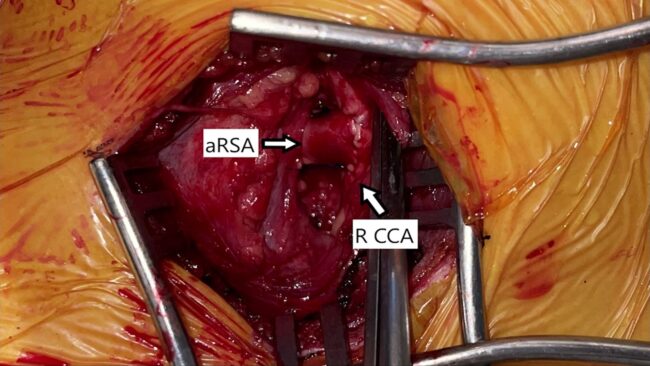
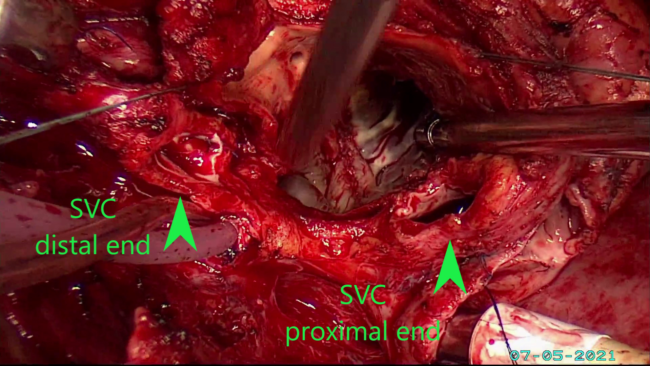
The patient was a 27-year-old female with a history of postural orthostatic tachycardia syndrome and Ehlers Danlos syndrome who presented with dysphagia to solids since 2021. Her work up was negative for esophageal dysmotility and gastroparesis. She had previously developed non-ischemic angina and underwent computed tomography, which identified an aberrant right subclavian artery and 1.5cm…
In this video, Dr. Vince Gaudiani demonstrates how to perform an Onyx Chord-X chordal repair of a P1 prolapse. He began by cannulating the femoral vein and then performed an upper ministernotomy. Following this, he placed a right superior pulmonary vein vent and performed aortic cannulation with antegrade cardioplegia. The roof of the left atrium was…
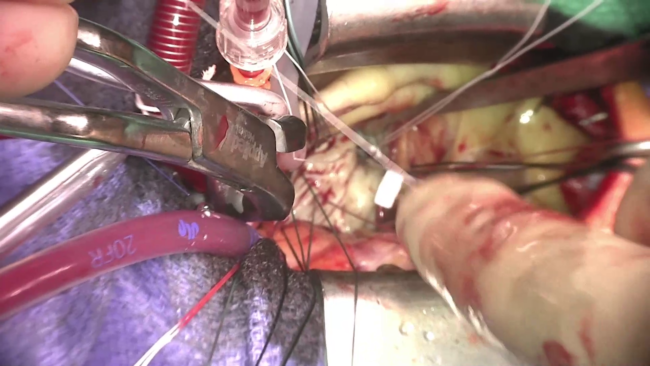
In this video Dr. Vince Gaudiani demonstrates how to perform an Onyx Chord-X chordal repair of a prolapsing medial commissure of the mitral valve in a 44-year-old woman with severe mitral regurgitation. He first cannulated the femoral vein, then performed an upper ministernotomy before placing a right superior pulmonary vein vent and performing aortic cannulation…
In May 2024, The Diagnostic and Therapeutic Center of Athens Hygeia organized the Transcatheter Heart Valves Greece 2024. The conference featured pivotal specialty insights from both local faculty and internationally renowned professionals. Watch for more TCHVG 2024 videos in the coming weeks. At the Transcatheter Heart Valves Greece 2024 conference, leading surgeons delivered presentations on various…
After chest wall resection, large defects are created in the bony structure of the chest. To preserve the integrity of the chest wall, a reconstruction procedure is often required. Multiple techniques have been described, such as using soft or rigid patches, rib plates, implants and 3-dimensional print parts. In this video, the authors demonstrate three…
A 41-year-old male patient was admitted to the hospital with complaints of shortness of breath at rest, fever, and weakness. His medical history included aortic and mitral valve replacements in 2019 due to infective endocarditis (IE). Subsequently, from 2019 to 2021, he experienced multiple episodes of severe fatigue and high fever, each requiring treatment with…
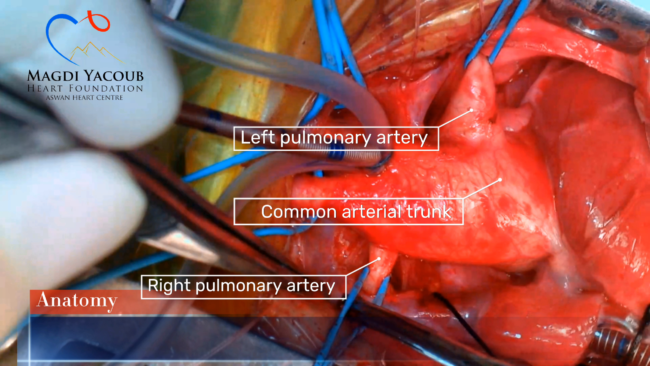
Introduction Common arterial trunk (CAT) requires early surgical treatment to prevent high mortality and morbidity rates. The unopposed pulmonary overflow accelerates the deleterious effects of left-to-right shunting. Moreover, unprotected pulmonary circulation can lead to irreversible pulmonary hypertension, which increases the operative and postoperative risks. Therefore, repair in early infancy offers the best prognosis. The surgical…
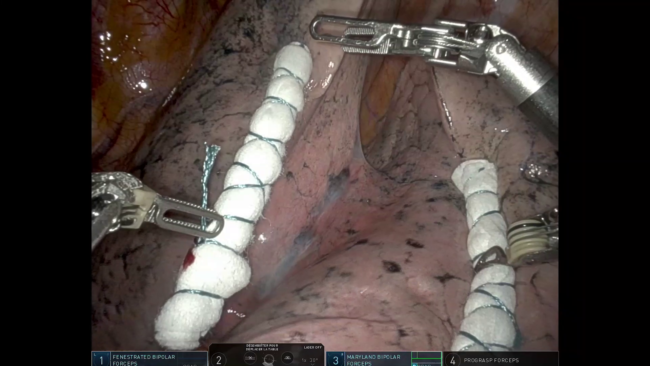
Since the publication of the results of the CheckMate 816 trial (1), neoadjuvant chemoimmunotherapy has been introduced as a standard of care for stage IB-IIIA resectable NSCLC without mutations. The use of minimally invasive approaches for this group of patients is still debated. The video highlights the enhanced precision and safety of robotic technology, especially…
In this video, Dr. Vince Gaudiani demonstrates how to perform an Onyx Chord-X chordal repair for a P2/P3 prolapse. He began by cannulating the femoral vein, then performed an upper ministernotomy before placing a right superior pulmonary vein vent and aortic cannulation with antegrade cardioplegia. The roof of the left atrium was then opened, and stay sutures…
In this video, Dr. Vince Gaudiani demonstrates how to perform a simple chordal repair of a P2 prolapse. He began by cannulating the femoral vein, then performed an upper ministernotomy, and placed a right superior pulmonary vein vent along with aortic cannulation for antegrade cardioplegia. The roof of the left atrium was then opened and…