Content from the Journal of the American Neurological Surgeons.
In this series of videos, to published over the next month, Dr. Vincent Gaudiani shares his experience in the new field of surgery after previous TAVR and provides his tips for safely performing redo surgery for a variety of indications including TAVR early and late failure, endocarditis, and when further valve surgery is required. In…
Tension pneumomediastinum is one of the life-threatening complications of COVID-19 (coronavirus disease 2019). The patient in this video is a sixty-six-year-old man with complaints of cough and high-grade fever for a week prior. He had systemic hypertension and type II diabetes mellitus. He tested positive for COVID-19 on a rapid PCR test. His high resolution…
To begin the construction of the valve, interrupted 4-0 Ethibond sutures are used to sew the base of a freestyle subcoronary valve near the bottom collar of the Valsalva graft, anchoring the valve approximately three to four corrugations from the bottom of the graft and tying each suture after placement. This remaining skirt was used…
As CTSNet wraps up another year of outstanding cardiothoracic content, our editors looked back over the year and chose some of their favorites. From interviews with big names in CT surgery to innovative clinical content, take a look at the editors’ top articles and videos from 2023. Joel’s PicksJoel Dunning is CTSNet’s Editor in Chief…
Variety and innovation were abundant in this year’s thoracic surgery clinical videos. The most popular videos focused on a range of thoracic procedures, from 3D technology for segmentectomy to Nissen fundoplication. Read on for a glance at each procedure and check out our full catalog of thoracic surgical videos. 1. Step-By-Step Guide to 3D Segmentation…
This year, adult cardiac and congenital submissions to CTSNet spanned a variety of fascinating procedures, from an efficient technique for aortic hemiarch replacement to a novel method for ventricular septal defect closure. Read on for a quick overview of the most popular cardiac and congenital videos on CTSNet in 2023, and stay tuned for many…
This year, CTSNet published a variety of educational content, including interviews, clinical videos, and more. We are closing out another year with a roundup of the top-viewed content published on our global platform throughout 2023. Keep reading to find out which video took the top spot, who our top contributor was, and everything in between.…
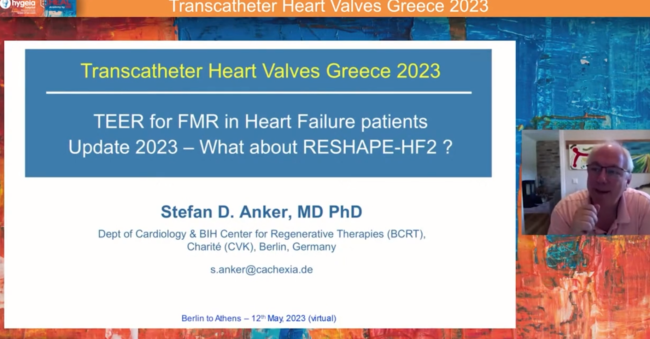
In this recording from the 2023 Transcatheter Heart Valves Greece conference, Dr. Stefan Anker, a cardiothoracic surgeon, professor, and researcher at Charite Medical School in Berlin, Germany, gave the meeting’s keynote lecture. He discussed an update in research for TEER for FMR in heart failure patients. Disclaimer The information and views presented on CTSNet.org represent…
This case involves a ten-month-old infant who underwent an arterial switch as a neonate for transposition of the great arteries. He went on to develop progressive severe branch pulmonary artery stenoses and hypoplasia in addition to supravalvular main pulmonary artery stenosis. This resulted in systemic or suprasystemic right ventricular pressure on his cardiac catheterization. A…
This video demonstrates a left lower lobectomy in a sixty-seven-year-old man with a history of smoking, COPD, and ischemic cardiopathy. which was discovered After a first episode of hemoptysis, a pulmonary epidermoid carcinoma was discovered and staged T4N0. The patient was first addressed and treated by chemo-immunotherapy before being restaffed and led to surgery. In…
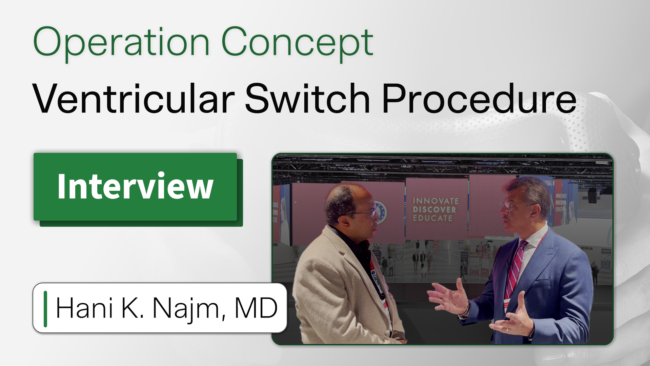
At the 2023 EACTS Annual Meeting, CTSNet Editor in Chief Joel Dunning and CTSNet senior editors set out to interview the most knowledgeable CT surgeons from around the world. Stay tuned for more interviews from the meeting. CTSNet congenital editor Prof. Sameh Said spoke with Dr. Hani Najm, the Chair of Pediatric and Congenital Heart…
In a number of patients with ischemic heart disease, coronary artery bypass grafting (CABG) is the method of choice. Some studies and meta-analyses have shown benefits of bimammary coronary artery bypass grafting (BIMA), including better long-term survival, lower hospital mortality, cerebrovascular accidents, and need for revascularization. When both ITAs are used, the skeletonized technique appears…
This video is part of CTSNet’s 2023 Innovation Video Competition. Watch all entries into the competition, including the winning videos. Improved understanding of risks associated with coronary anomalies, including myocardial ischemia and sudden cardiac death, have led to renewed enthusiasm for operative intervention to restore optimal perfusion and mitigate risk of future events. Advances in…
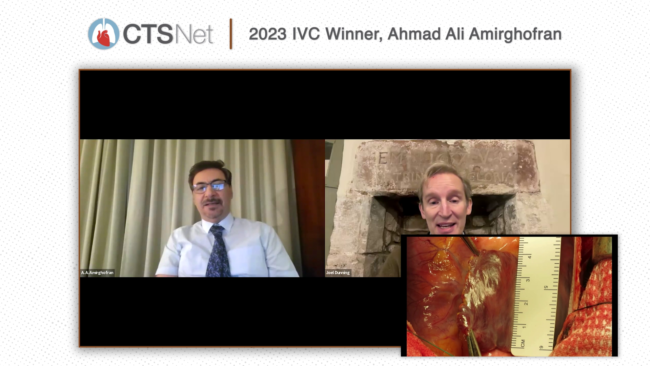
CTSNet is excited to announce the winner of the 2023 Innovation Video Competition, Prof. Ahmad Ali Amirghofran. His submission, “Tricuspid Valve Replacement with the Right Atrial Appendage Valve: The First Report,” he demonstrates how his team’s experience with the use of the right atrial appendage for pulmonary valve position led them to design a technique…
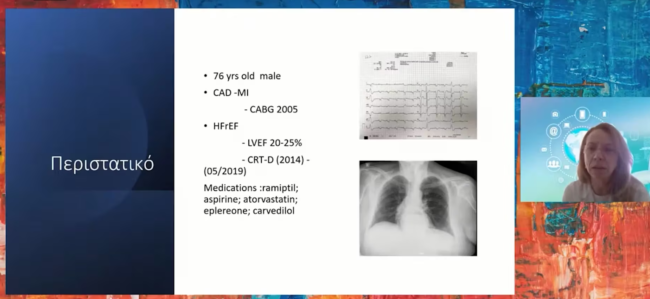
In this recording from the 2023 Transcatheter Heart Valves Greece conference, Dr. Christina Chrysohoou, a cardiothoracic surgeon at the University of Athens, discusses tailoring TEER to individual patients who are in heart failure. Disclaimer The information and views presented on CTSNet.org represent the views of the authors and contributors of the material and not of…
Use of the right atrial appendage to reconstruct the pulmonary valve (PV) in patients with tetralogy of Fallot (ToF) requiring a transannular patch has been recently introduced in conjunction with bovine pericardial patch with good short and midterm results. This video presents two ToF repairs using the right atrial appendage and autologous pericardium for right…