Content from the Journal of the American Neurological Surgeons.
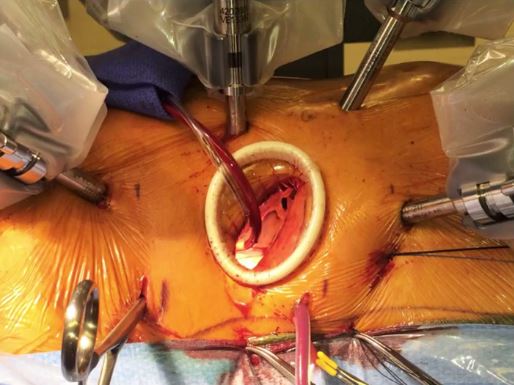
Originally presented as an STSA/CTSNet Surgical Motion Picture at the 2016 STSA Annual Meeting. Objectives: Mitral valve reconstruction is now the primary surgical approach in mitral endocarditis, with better early and late outcomes than prosthetic valve replacement. However, certain pathologies can be difficult, and reports of extension to a robotic platform have been limited. This…
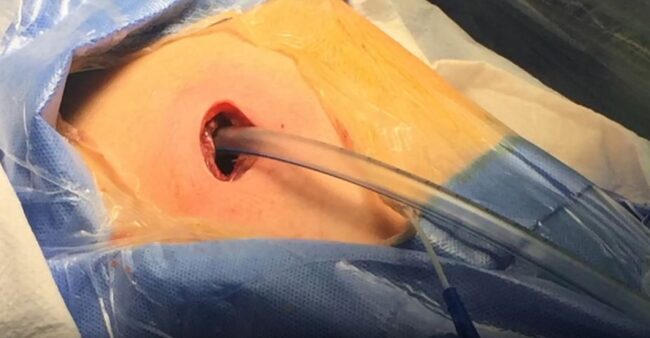
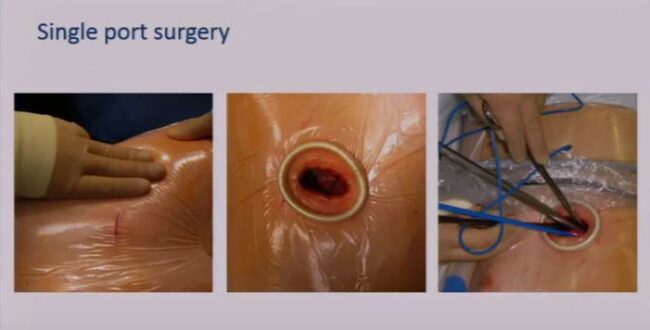
This video shows a thymectomy for a thymic cyst and a wedge resection of a nodule in the right upper lobe. A subxyphoid uniportal VATS approach was used.
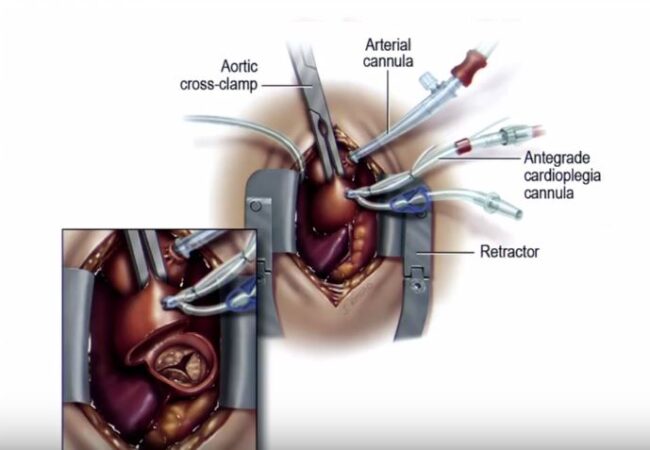
Mattia Glauber of Instituto Clinico Sant Amgrogio, Milan, Italy, argues in favor of the right anterior mini-thoracotomy approach for minimally invasive aortic valve replacement. Dr. Glauber uses a short video to illustrate the technique of sutureless valve insertion. This presentation was originally given during the SCTS Ionescu University program at the 2015 Annual Meeting of…
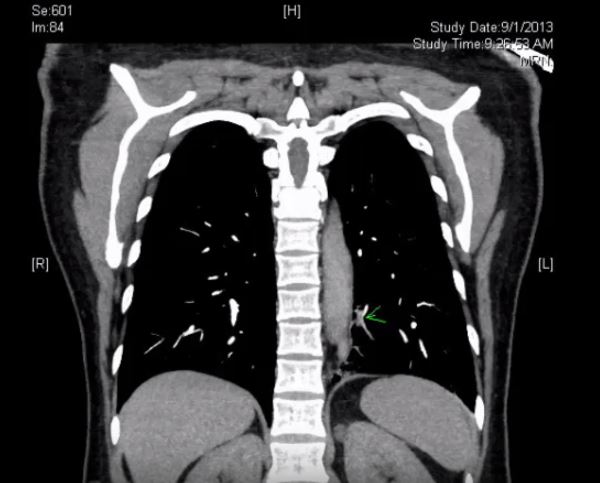
This video shows a VATS resection of pulmonary sequestration in a previously healthy 55-year-old woman, who presented with chest pain. Pulmonary sequestration is a rare congenital abnormality of the lung consisting of nonfunctioning lung tissue that does not have normal communication with the tracheobronchial tree or pulmonary arteries. The lung receives its blood supply from…
Case Summary: A 48-year-old diabetic man presented with sudden onset paraplegia and pain in the lower extremities lasting four hours. Lower limb pulses were absent and CT angiogram revealed a saddle embolus at the aortoiliac bifurcation. Urgent bilateral retrograde femoral embolectomy was attempted, but failed. The patient underwent urgent laparotomy, aortotomy, and clot evacuation with…
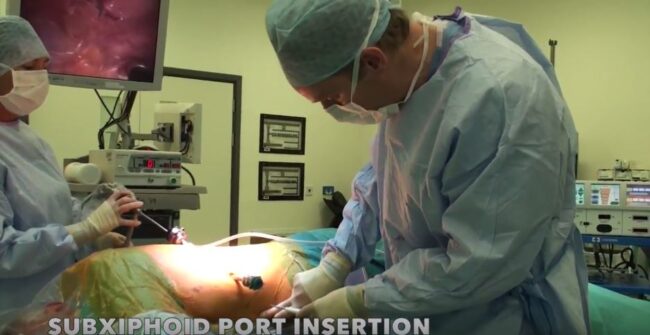
This video shows a step-by-step approach to a robotic right middle lobectomy with a subxiphoid utility port. The authors have found that replacing the traditional assistant port with a 12 mm subxiphoid port reduces the clashing between instruments, offers a good angle for firing the stapler on hilar structures, and provides a direct view of…
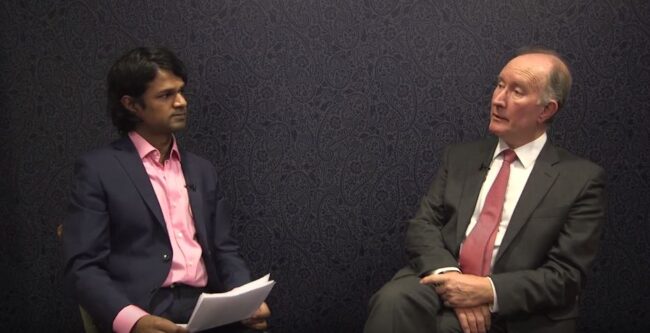
In an interview filmed at Birmingham Children’s Hospital, United Kingdom, Priyadharshanan Ariyaratnam talks with William Brawn. Dr. Brawn is a leading authority on congenital heart surgery and has received a CBE from Queen Elizabeth II in recognition of his outstanding clinical work. He has performed over 3,000 operations and published over a 100 peer-reviewed publications…
John Pepper of the Royal Brompton and Harefield Hospitals, London, United Kingdom, argues that there is not yet the evidence to support the superiority of minimally invasive aortic valve replacement over a full sternotomy approach. Dr. Pepper is responding to Christopher Young’s talk “Minimally Invasive AVR is More than Just Cosmetic.” This presentation was originally…
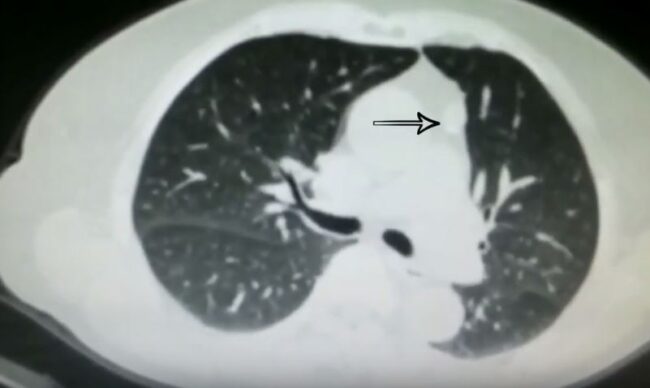
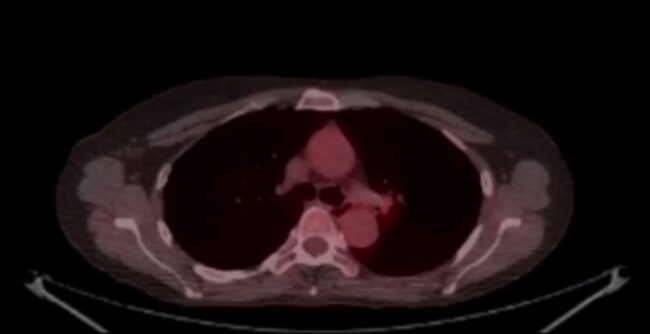
A 59-year-old woman underwent an examination for amaurosis fugax. A chest CT scan revealed a 2.6 cm tumor in the apex of the left upper lung attached to the chest wall. Since this lesion was considered highly suspicious for cancer, the patient underwent a PET scan that showed a hypermetabolic nodule with a SUVmax of…
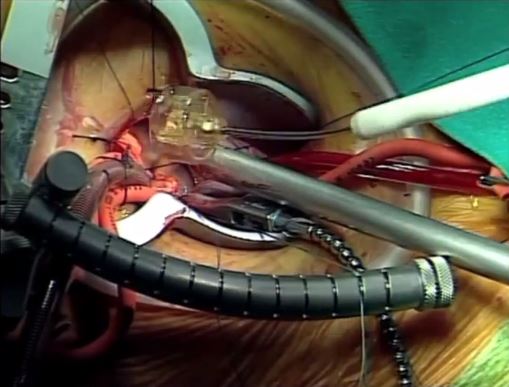
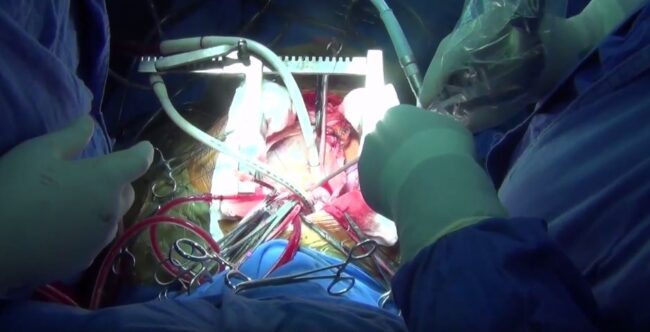
This video demonstrates a technique for performing aortic and mitral valve replacements simultaneously through a partial sternotomy with an excellent exposure of the corresponding anatomical structures. The patient was an 86-year-old male patient who presented with a case of severe aortic and mitral valve regurgitation, CHF, and hypertension. A minimally invasive approach was performed through…
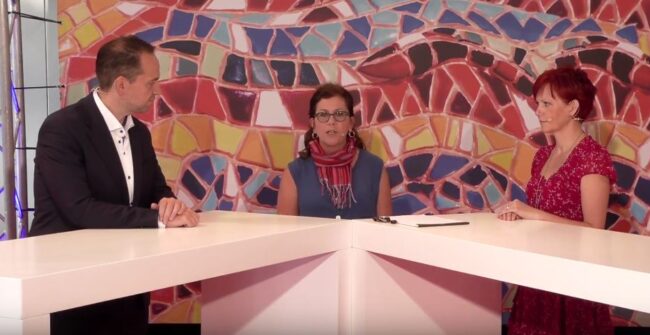
In a discussion filmed at the 2016 EACTS Annual Meeting in Barcelona, Spain, a group of experts consider how CT surgery allied health professionals can create an evidence-based practice. Jill Ley of California Pacific Medical Center, San Francisco, CA, is joined by Christina Bannister of Southampton University Hospitals NHS Trust, Southampton, UK, and Richard Van Valen…
Christopher Young of St. Thomas’ Hospital, London, UK, reviews the evidence for minimally invasive aortic valve replacement. Dr. Young argues that the advantages of this approach over full sternotomy can be seen particularly in the outcomes for high risk patients. John Pepper presents a counter-arguement in “Minimally Invasive AVR is Just Cosmetic.” This presentation was…
This video describes a bilateral uniportal VATS resection in a 32-year-old woman. Two wedge resections were performed on the left side, and a segment 6 segmentectomy was performed on the right side.
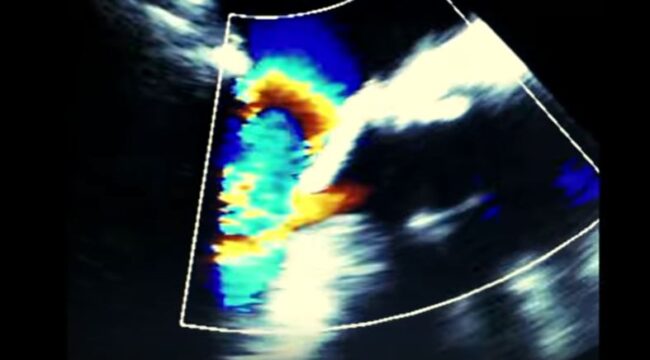
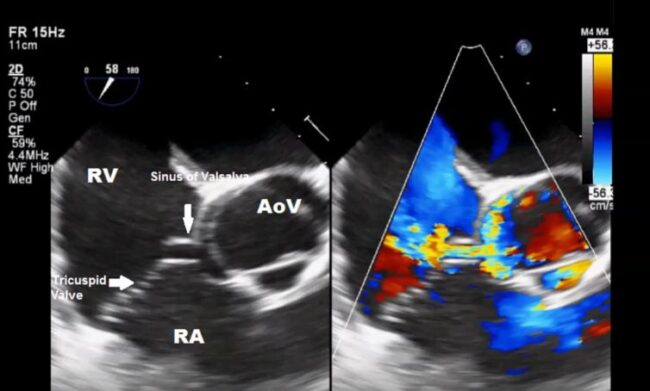
An otherwise healthy 22-year-old male presented with signs and symptoms suggestive of acute appendicitis. His clinical status rapidly deteriorated, requiring mechanical ventilation and vasopressor support. Cardiothoracic surgery was consulted for initiation of extra-corporeal membrane oxygenenation (ECMO) in the setting of intractable septic shock. Bedside echocardiogram revealed a sinus of Valsalva aneurysm rupture. Emergency surgical repair…
Eric Lim of the Royal Brompton Hospital, London, UK, describes the benefits of using an endochamelon camera for performing VATS lobectomy. He displays an operative video of a sleeve resection during his presentation. This presentation was originally given during the SCTS Ionescu University program at the 2015 Annual Meeting of the Society for Cardiothoracic Surgery…
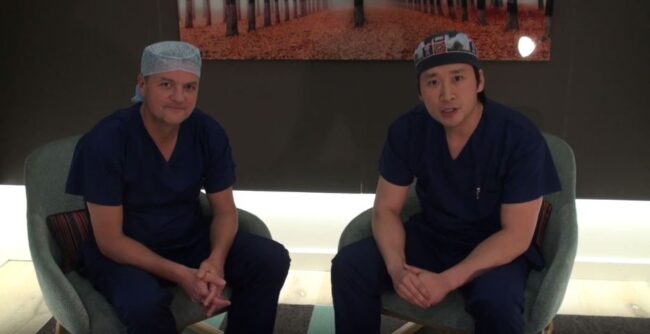
Tristan Yan of the Sydney Adventist Hospital, Sydney, Australia, and Martin Misfeld of the Leipzig Heart Institute, Leipzig, Germany, discuss their preferred methods for peripheral cannulation in minimally invasive cardiac surgery. They show their favorite cannulae and a share insertion tips. Video filmed and edited by Joel Dunning. This interview is part of a series…