Content from the Journal of the American Neurological Surgeons.
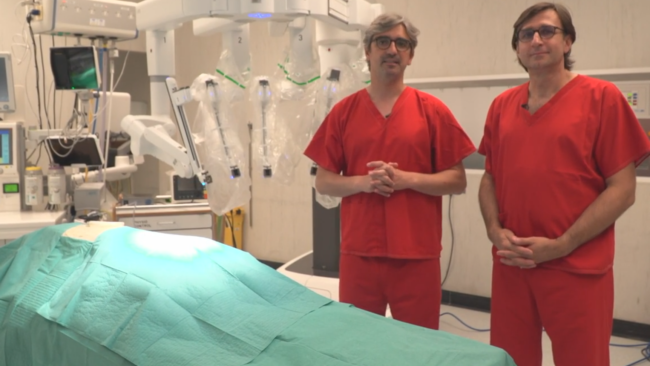
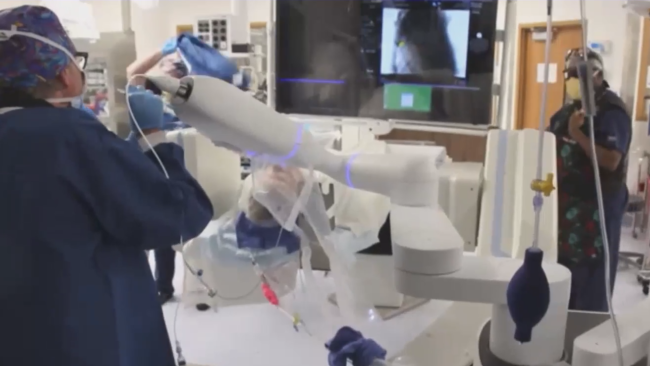
Diego Gonzalez Rivas and Mugurel Bosânceanu visited James Cook University Hospital in the UK in order to demonstrate the novel technique of uniportal thoracic robotic surgery that they have been developing since September 2021. In this video, Diego and Mugurel go through their technique for setting up the robotic system, how to place the ports,…
Professor Charles Yankah has dedicated the last fifty years to advancing cardiovascular care and helping the globally underserved communities who require it. Since his retirement from cardiothoracic and vascular surgery at the German Heart Center Berlin in 2012, Prof. Yankah has continued his global career in cardiovascular medicine as a consultant to the governments of…
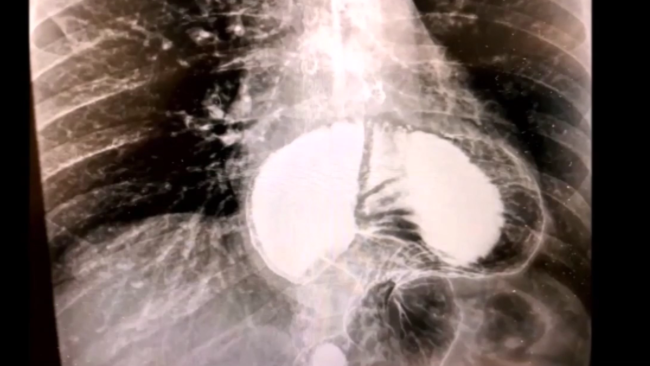
Although laparoscopic Nissen fundoplication is the most common procedure for hiatal hernia (HH) repair, HH recurrence because of the breakdown of the hiatoplasty and intrathoracic migration of the wrap has been reported as a common mechanism of failure after primary repair. Left transthoracic anatomic and physiologic repair (AFR) of HH is associated with lower incidence…
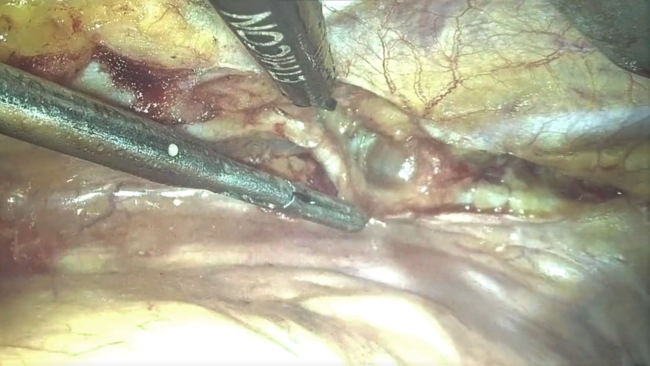
This video shows internal thoracic artery (ITA) harvesting in a skeletal technique through left anterior thoracotomy access using an harmonic synergy combination hook blade. The use of the harmonic synergy hook blade has become very popular recently for the preparation of ITA after sternotomy, demonstrating a short learning curve for surgeons and very quick harvesting.…
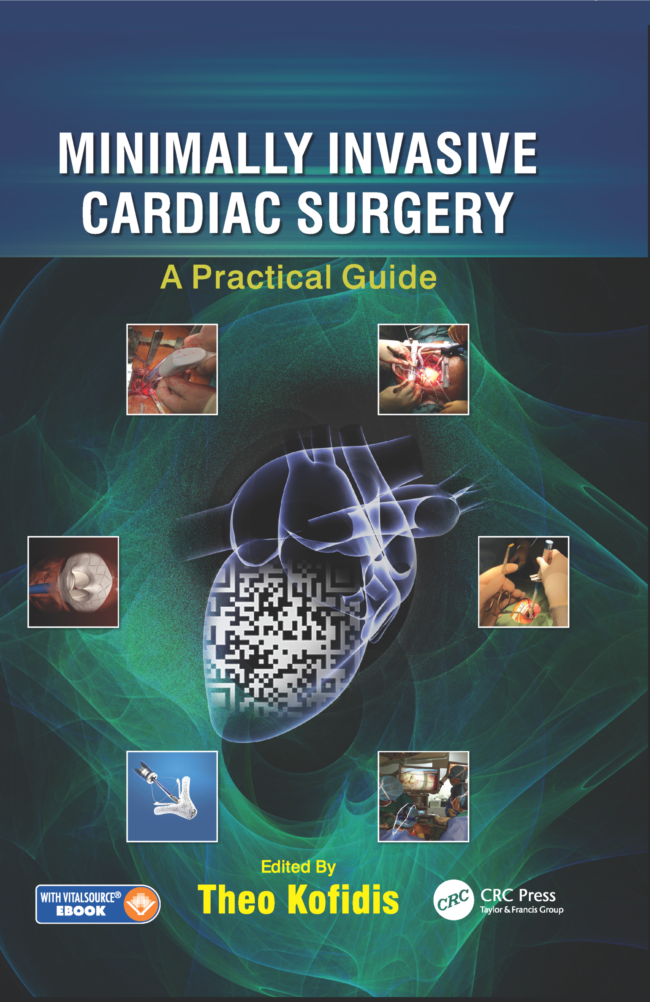
Minimally Invasive Cardiac Surgery: A Practical GuideTheo Kofidis, EditorCRC Press, Boca Raton, 2021ISBN 1498736467, 496 pages, $200.00 (USD) Cardiac surgeons do not read books with the same fervour as they did some thirty years ago; they simply do not need to. With the plethora of alternatives out there, including vibrant online material, fora, webinars, YouTube, and…
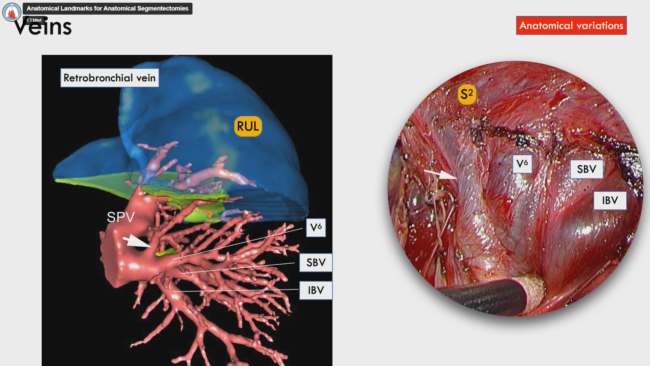
When Dr. Dominique Gossot embarked on his program in segmentectomy ten years ago, he found that despite his extensive experience in thoracic surgery, his knowledge of pulmonary anatomy was lacking. “There is no standard anatomy, there are only variations, and these variations are very important to know,” he explains in the Guest Editor Series Webinar…
Low-dose CT chest screening for patients at high risk for lung cancer has increased the detection of small peripheral nodules (1), but traditional bronchoscopy limits the ability to biopsy these peripheral nodules (2). Shape-sensing robotic-assisted bronchoscopy utilizing the Ion endoluminal system allows airway visualization and navigation to reach and biopsy small peripheral nodules through a…
August’s top content includes several items from our recent Guest Editor Series, “Segmentectomy for Lung Cancer,” from guest editor Alan Sihoe, as well as two uniportal technique videos from thoracic surgeon Diego Gonzalez Rivas. 1. Tricuspid Valve Patch Augmentation with Annular Detachment in Thin Leaflet ValvesAhmad Ali Amirghofran The annular detachment technique can be reliably…
CTSNet presents the recording of “Advances in MVR: Choosing an Optimal Surgical Mitral Valve for Your Patient,” featuring cardiac surgery experts Richard J. Shemin, Denis Bouchard, and Dee Dee Wang. This webinar was live broadcasted on Wednesday, August 24, 2022 by CTSNet in collaboration with Edwards Lifesciences. Topics covered: Mitral valve replacement versus repair The…
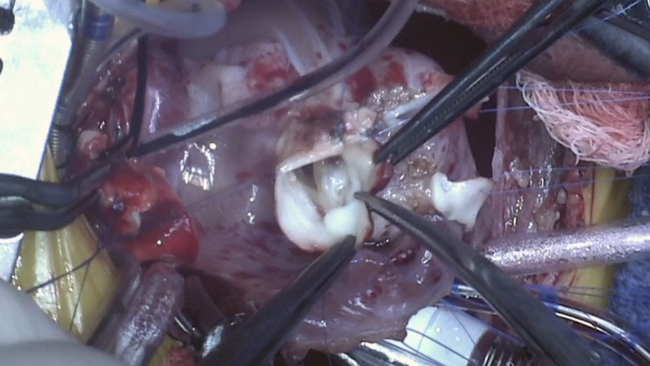
As most know, Dr. James Tweddell lost his battle with cancer on July 1, 2022. This has been—without equivocation—a colossal loss for the congenital heart surgery community. In an ongoing effort to properly preserve a few of his innumerable contributions to the field, this video (one of several in a series) demonstrates his surgical techniques…
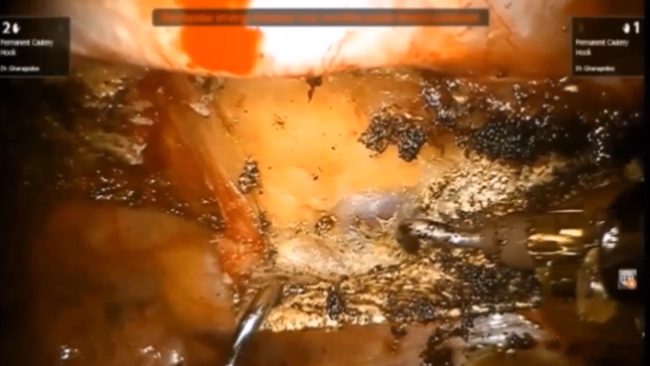
Robotic resection of the first rib (R-FRR) in patients with thoracic outlet syndrome (TOS) was described in 2012 by Gharagozloo et al. (1). This group has published the results of their experience in the decade since the original description (2–8). Their most recent report included 162 patients—eighty-three for venous thoracic outlet syndrome (VTOS) and seventy-nine…
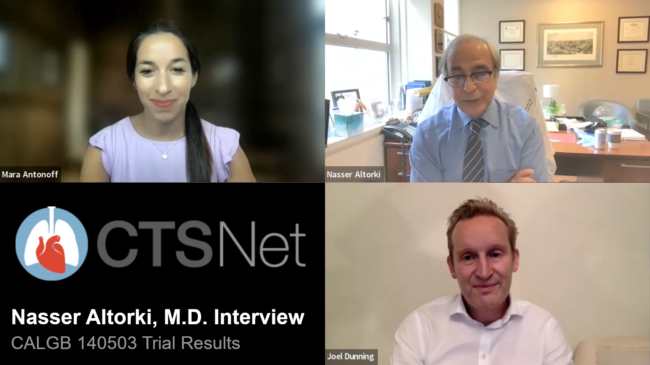
Professor Nasser Altorki and his colleagues recently released the results of the landmark thoracic surgery trial, CALGB 140503. The randomized trial studied the different methods of thoracic surgery and how they perform in treating patients with stage IA non-small cell lung cancer (NSCLC). Ultimately, the trial results revealed that, with better surgical methods and technologies,…
Internationally acclaimed cardiac surgeon and respected leader of cardiac surgeons in India, Dr. V. Rao Parachuri, passed away on June 30, 2022. He was an accomplished cardiac surgeon who had many innovations to his credit. He had pioneered the surgical ventricular restoration technique using a rectangular intraventricular patch. He had also pioneered valve repair surgery…
Aortic arch surgery is not a trademark. In turn, it practically translates to a collection of different, often surgeon-specific, techniques. This step-by-step video outlines a simplified technical approach to the community. The key-points are as follows: Set unilateral antegrade cerebral perfusion at 28°C using a simplified brachiocephalic trunk cannulation without the need for extra incisions…
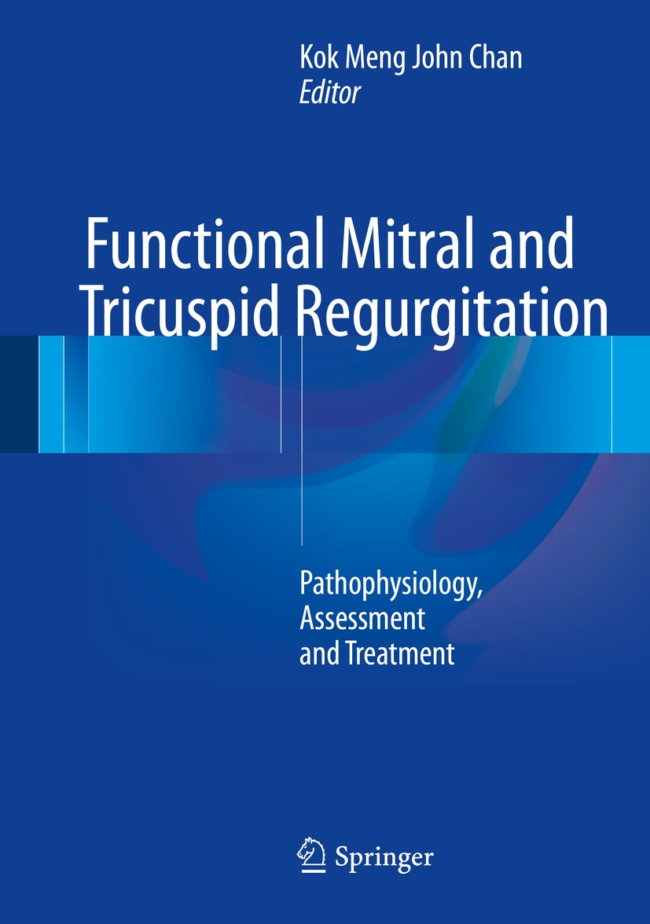
Functional Mitral and Tricuspid RegurgitationKok Meng John Chan, EditorSpringer International Publishing, Switzerland, 2017ISBN 978-3-319-82842-8, 222 pages, $109.99 (USD) Functional mitral and tricuspid insufficiency are stout nuts to crack for any cardiothoracic surgeon. Their uniqueness lies in being “functionally” impaired, secondary to a disease affecting the ventricles. Both conditions carry adverse outcomes and the propensity to…
Background Six billion people lack access to safe, timely, and affordable cardiac surgical care (1). More than thirty million people live with rheumatic heart disease (RHD) worldwide (2). Congenital heart defects (CHD) affect more than one million births each year yet remain untreated in more than 90 percent of cases in low- and middle-income countries…