Content from the Journal of the American Neurological Surgeons.
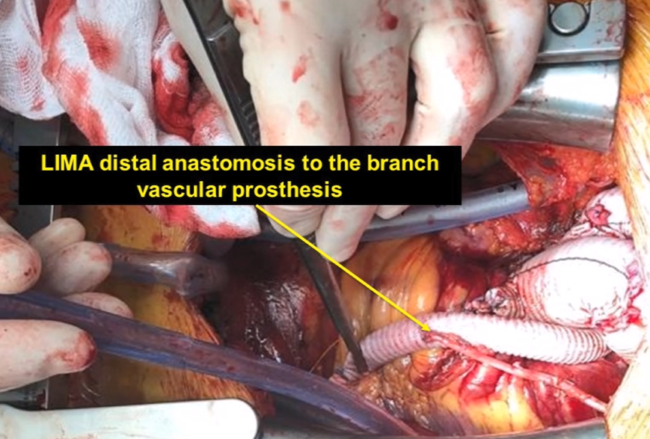
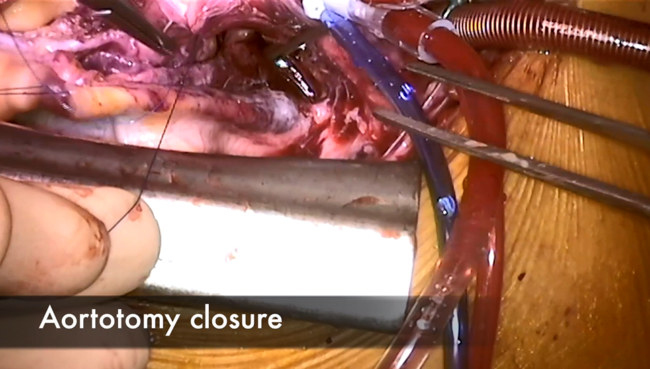
The authors present a case of left subclavian artery revascularization during a frozen elephant trunk procedure for acute type A aortic dissection using the left internal mammary artery. Background The management of the left subclavian artery (LSA) during a frozen elephant trunk (FET) procedure with debranching of the supraaortic vessels is controversial and sometimes challenging,…
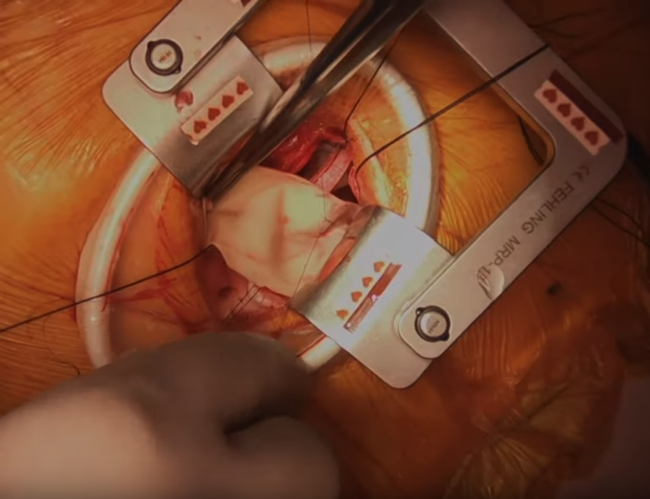
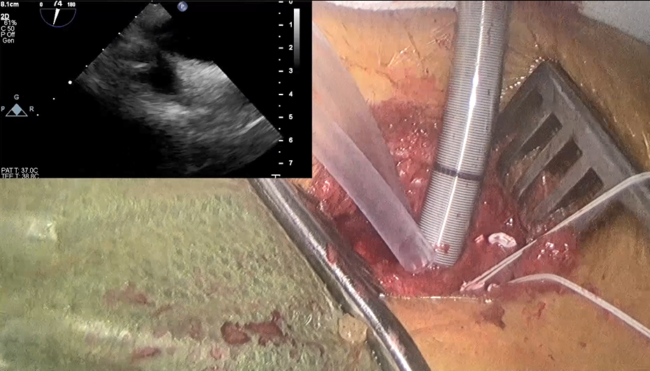
The pulmonary valve can be accessed through an anterior thoracotomy via the second intercostal space. The patient is placed on cardiopulmonary bypass through femoral cannulation. The right heart is emptied of blood and through an incision in the pulmonary artery a valve is implanted. This simplifies the operation and allows for expeditious recovery. Reference Cheema…
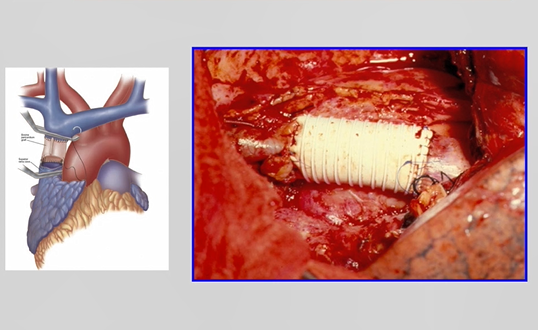
Federico Venuta of the University of Rome in Italy presents a discussion on surgery for invasive lung cancer. He discusses T4 lung cancer, superior vena cava involvement and reconstruction, carinal resection, and vascular reconstruction. This presentation was originally given during the SCTS Ionescu University program at the 2019 Annual Meeting of the Society for Cardiothoracic…
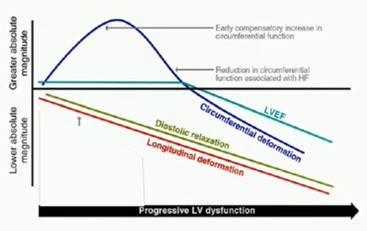
Marta Sitges of the Hospital Clinic at the University of Barcelona and Joanna Chikwe of Cedars-Sinai Medical Center debate the influence of imaging on the timing of degenerative mitral valve repair. They discuss the guidelines for patients with mitral regurgitation, evaluating the severity of the mitral regurgitation, and selecting when to intervene with surgery. This…
This is the case of a 23-year-old woman with a history of long-term IV drug abuse and tricuspid valve endocarditis. She had a status of post-tricuspid valve replacement seven weeks prior with porcine bioprosthesis, and her history was notable for extensive annular abscess and vegetation burden. She completed six weeks of IV antibiotics and remained…
Introduction Intramural coronary arteries are a rare congenital coronary malformation that are infrequently seen in adult patients. This video shows the management of two intramural coronary arteries: one of the right coronary artery and one of the left. Case 1 – Intramural Right Coronary Artery The first case involves a 48-year-old woman who presented with…
Dr Ralph “Chip” Bolman is a cardiothoracic surgeon who has spent years traveling to Rwanda with Team Heart to help treat patients with rheumatic heart disease. A Heartbeat in Rwanda highlights one of many patients who received surgical treatment from Dr Bolman’s team. The Thoracic Surgery Foundation (TSF) provides grants for surgeons to carry out…
Filmed at the 2019 AATS Annual Meeting in Toronto, Canada, Mara Antonoff of the University of Texas MD Anderson Cancer Center in Houston, USA, moderates a discussion on dedicated research time for residents interested in cardiothoracic surgery. She is joined by Kyla Joubert of the University of Pittsburgh Medical Center in Pennsylvania, USA, David Nelson…
The upper sternotomy or ministernotomy has been a well-known technique for many years, but it is not a common surgery. It has few pitfalls and not many secrets, but many benefits. Despite these factors, a minimally invasive approach is not routinely adopted. The ministernotomy finished at the third or fourth right Intercostal spaces can result…
Isolated tricuspid regurgitation has been increasingly diagnosed amongst the population (1). Intracardiac devices and the prevalence of atrial fibrillation (AF) are now the most common causes of AF (2). Morbidity and mortality from tricuspid regurgitation can be significant (3). However, surgery for isolated tricuspid valve regurgitation is still believed to be under-performed compared to the…
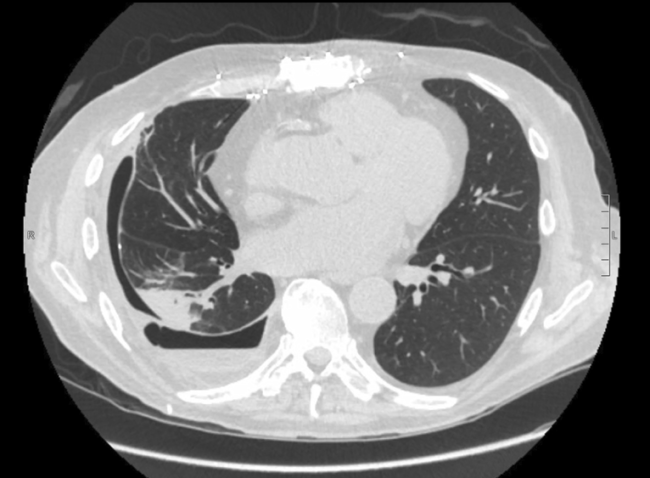
The authors present a case of a 74-year-old man who underwent a bilateral lung transplant. His transplant was done through a clamshell incision. His history was significant for a symptomatic and chronic right recurrent pleural fluid collection that had not responded to nonsurgical management. The operation was performed with the Intuitive da Vinci Xi robotic…
Paul E. Van Schil of Antwerp University Hospital in Belgium presents a discussion on the current status of the management of mesothelioma. He focuses on potentially resectable mesothelioma disease using the surgical techniques of pleurectomy, decortication, and extrapleural pneumonectomy, as well as multimodality therapy. This presentation was originally given during the SCTS Ionescu University program…
E. Murat Tuzcu of Cleveland Clinic Abu Dhabi in the United Arab Emirates and Ourania Preventza of Baylor College of Medicine in Houston, Texas, discuss valve-in-valve transcatheter aortic valve replacement versus redo surgical aortic valve replacement. This debate was presented at the Heart Valve Society (HVS) Annual Meeting 2019 in Sitges, Spain, and is presented here with…
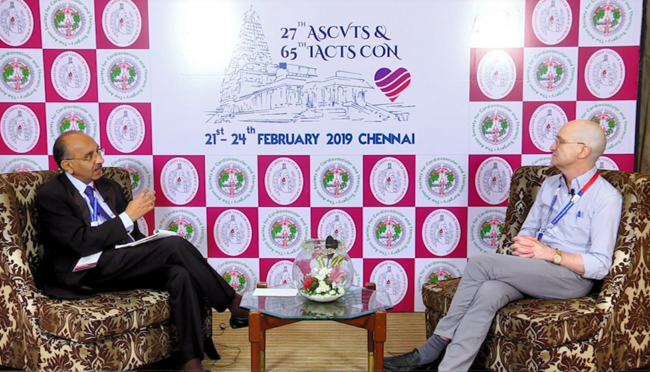
Filmed during the the 27th ASCTVS and 65th IACTVS Conference, Dr Om P. Yadava, CEO and Chief Cardiac Surgeon of the National Heart Institute in New Delhi, India, and Editor-in-Chief of the Indian Journal of Thoracic and Cardiovascular Surgery, discusses the Arterial Revascularization Therapy (ART) Trial with Professor David Taggart from the University of Oxford…
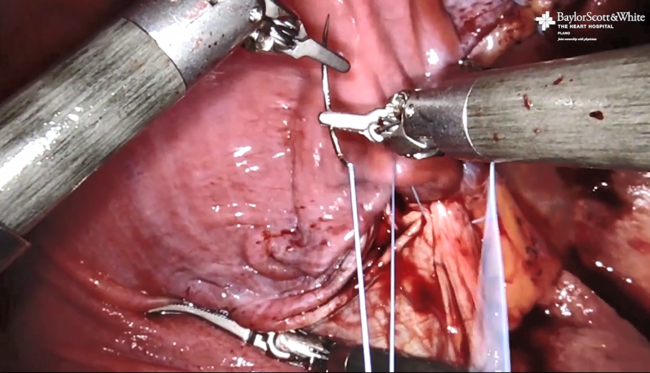
Unilateral diaphragm paralysis results from spinal injury or disease near its cervical vertebra (C5) origin or from phrenic nerve injury (1). In addition, phrenic nerve injury can occur with all types of atrial fibrillation ablation, ranging in incidence from 1-5% (2, 3). Most patients are asymptomatic; however, for symptomatic patients, diaphragm plication for paralysis has…
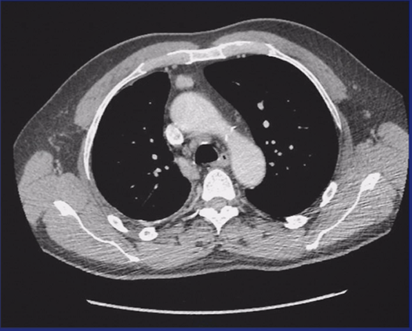
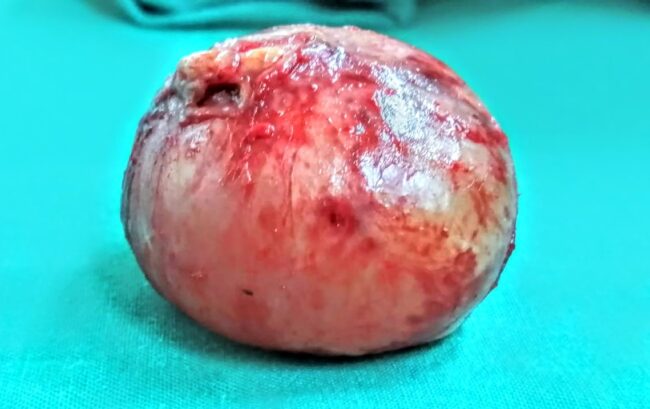
Introduction Figure 1. Chest x-ray (PA) showing a round opacity in the right mediastinum. Bronchogenic cysts are congenital abnormal growths of the foregut that typically have a thin wall and are filled with mucous or fluid. They can occur at any part of the tracheobronchial tree but are most often found in the right paratracheal region…