Content from the Journal of the American Neurological Surgeons.
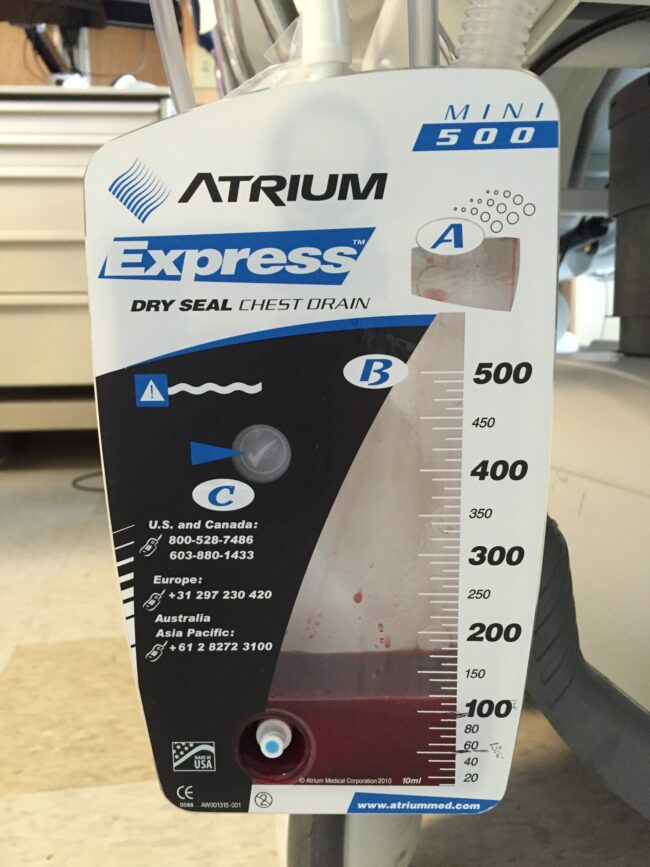
Tube thoracostomy is often the first step in the treatment of pneumothorax, hemothorax, hemopneumothorax, empyema, and pleural effusion. Although tube thoracostomy was not accepted as the standard of care for pneumothorax and hemothorax until the late 1950s (1), the idea of draining substances from the thoracic cavity has been documented for thousands of years (2,…
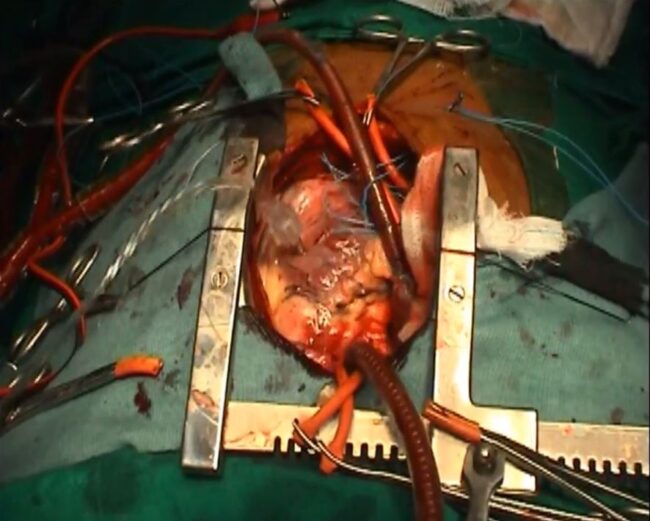
The authors present a rare case of a female patient with a giant left ventricular pseudoaneurysm following a recent myocardial infarction (MI). She was referred to Houston Methodist Hospital with a recent history of MI. The patient presented with signs and symptoms of progressive heart failure, which turned out to be a giant left ventricular…
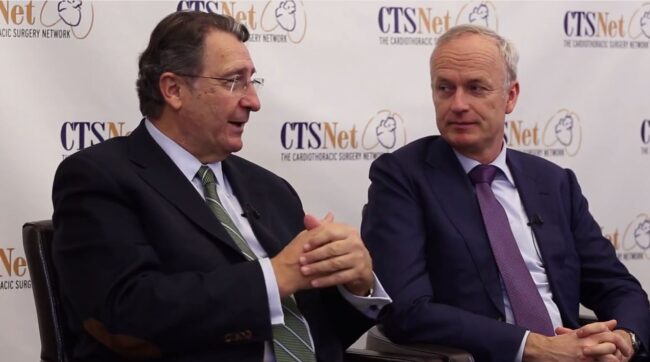
In this interview, filmed at the 2015 STS Annual Meeting in San Diego, Joel Dunning and Shanda Blackmon discuss a variety of thoracic surgery topics. Dr. Blackmon shares her experience establishing a minimally invasive thoracic surgery program at Houston Methodist, from creating a dedicated team atmosphere to providing long-term patient support. She also discusses advances…
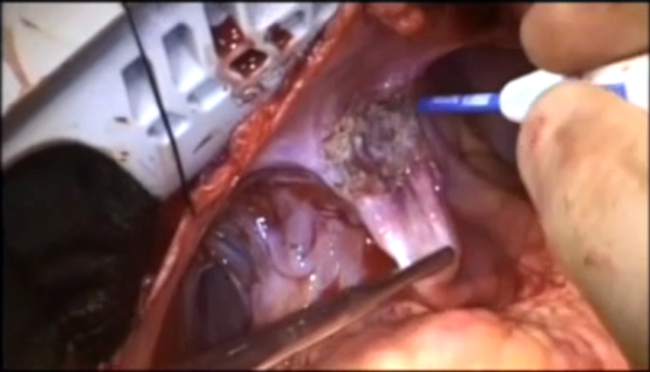
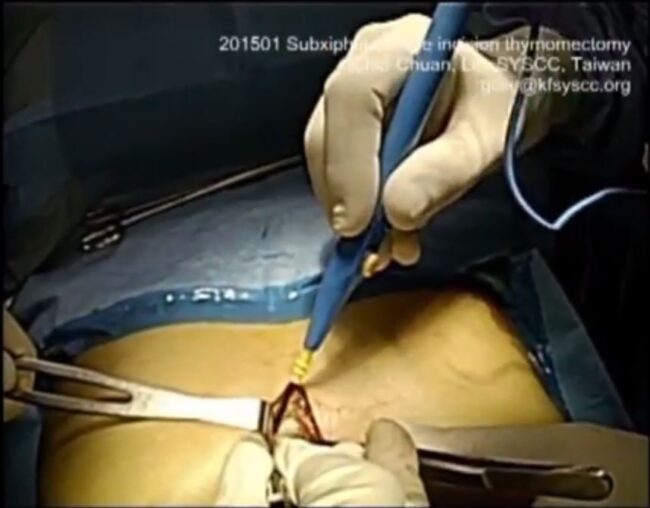
This video demonstrates a subxiphoid single incision VATS resection of a non-MG B2 thymoma. Are you using a mobile device? Download the CTSNet Videos app and watch CTSNet videos conveniently, on the go.
After learning that his aortic root was significantly dilated due to Marfan syndrome, Tal Golesworthy, an engineer, envisioned an external support system that could be custom-made for individual patients using MRIs, a CAD program, and rapid protyping. Working with a team of engineers and medical professionals, including cardiothoracic surgeons Tom Treasure and John Pepper, Mr.…
An eight-year-old boy with hypertrophic cardiomyopathy underwent an extended septal myectomy. This video shows the pre-operative echo, and describes each step of the surgical technique. Note: This video was originally published with the title “Extended Septal Myomectomy.”
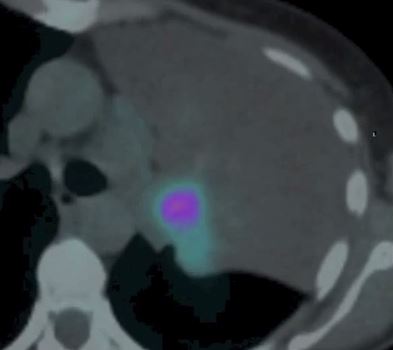
This video presents the case of a 71-year-old male patient, who was diagnosed with a centrally located left lung tumor. Endobronchial ultrasound-guided needle aspiration confirmed an adenocarcinoma. PET-CT revealed no lymph node or distant metastasis. After the chest CT, the authors determined that a pneumonectomy was the only option for surgical resection (Figure 1). Spirometry…
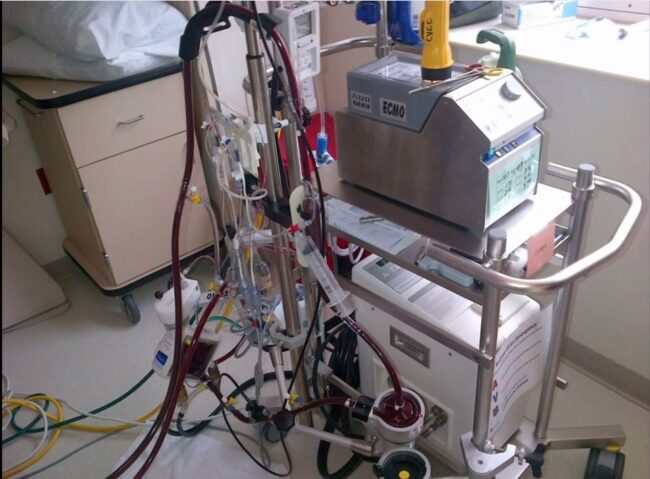
In this video, an expert panel discusses the use of ECMO in the treatment of adult pulmonary failure. Marcus Williams presents the case history of a 42-year-old patient who was placed on ECMO after an acute lung injury that resulted in increasingly difficult oxygenation and worsening hypotension. Thomas Wozniak and Joseph Zwischenberger weigh in on…
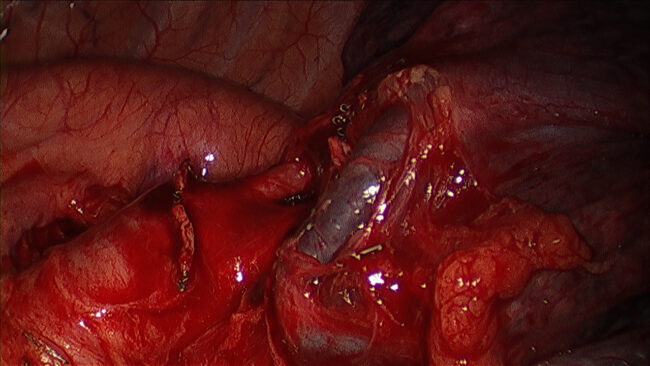
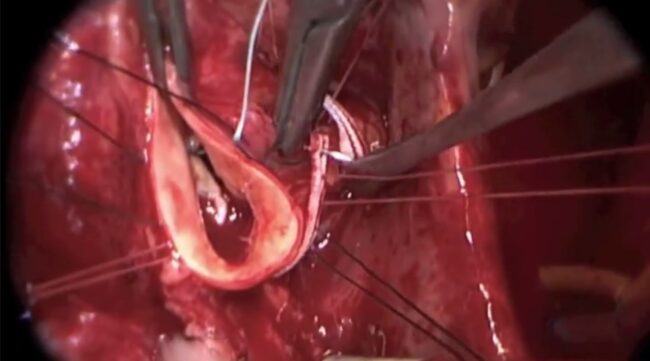
Introduction “Double sleeve” (vascular and bronchial) lobectomy is a challenging and complex procedure, but a reasonable alternative to pneumonectomy in patients with centrally located tumors involving the pulmonary artery and bronchus. Case report A 52-year-old female smoker was diagnosed with an 8 cm left upper lobe non-small cell carcinoma, with vascular and bronchial involvement. Flexible…
Pieter Kappetein moderates a lively conversation on cardiothoracic surgery training throughout the world. Walter Gomes, Jose Pomar, Moritz Wyler von Ballmoos, and Stephen Yang share perspectives on training in South America, Europe, and the United States. The panel discusses how cardiothoracic surgery training has evolved, including recent movements towards competency-based curricula and less time devoted…
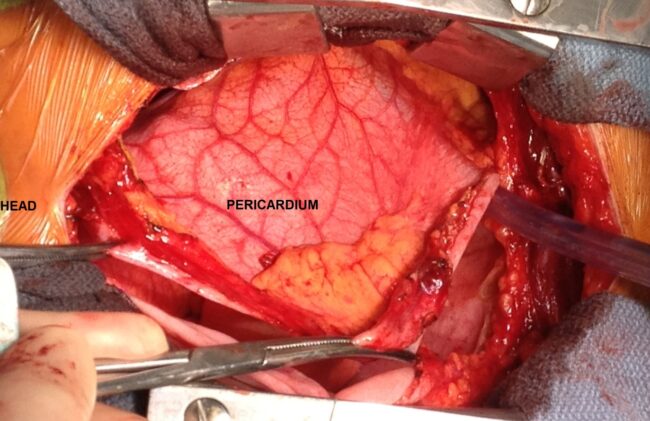
Case Study The estimated prevalence of primary pericardial tumors is 0.001-0.007%, according to Meng et al (1) and Patel et al (2). The most common malignant tumor is mesothelioma (3). Pericardial cyst is the most common benign tumor, followed by lipoma. Vascular neoplasms comprise 1-2% of cardiac tumors (4), but an isolated pericardial origin of…
In this discussion filmed at the EACTS 2014 Annual Meeting in Milan, Italy, Marko Turina and Mattia Glauber consider minimally invasive valve replacement, with a focus on the Perceval S sutureless valve. Dr. Glauber provides his thoughts on minimally invasive valve surgery versus transcatheter therapies, and shares his techniques for implanting the Perceval S sutureless…
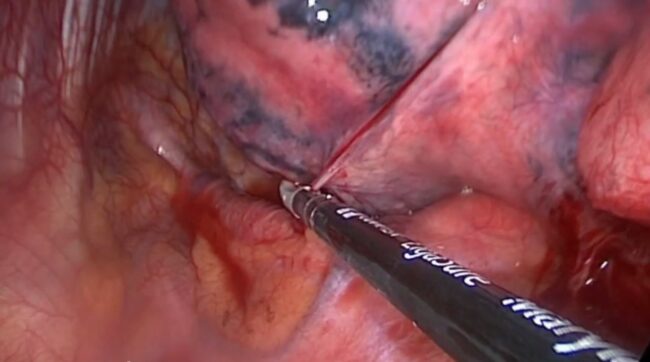
Increasing experience with thoracoscopic lobectomy has created an interest in performing anatomical segmentectomy using the thoracoscope, as it combines the benefits of lung conservation with avoidance of a thoracotomy. Typically a segment of the lung contributes 5% of the overall lung function, allowing for an improved postoperative FEV1 as compared to a lobectomy (1). Segmentectomy…
Recorded via Google Hangouts, this roundtable discussion focuses on mitral valve repair for rheumatic mitral valve disease. Kenton Zehr moderates this discussion with Taweesak Chotivantanapong, Mohd Azhari Yakub, and Jeffrey Jeswant Dillon. This international panel of experts takes an in-depth look at rheumatic repairs, including specific surgical techniques.
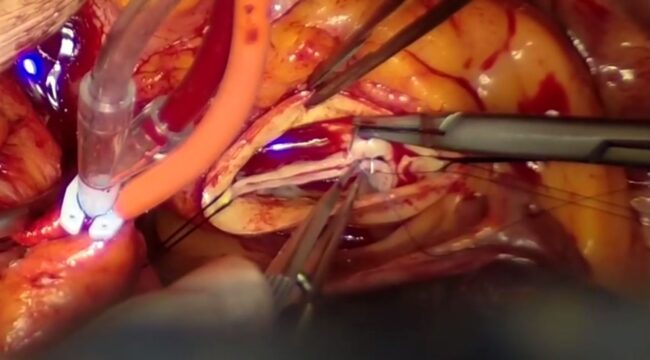
A 49-year-old male patient underwent cardiac surgery for massive regurgitation of a bicuspid aortic valve in an anteroposterior configuration. A conservative approach was chosen. The ventricular-aortic junction was reduced with an external dacron ring, and the anterior cusp was plicated to re-establish optimal coaptation. No residual regurgitation was present at the end of the operation.
Worldwide, lung cancer is a leading cause of death. Minimally invasive resection of small pulmonary nodules is an opportunity and a challenge at the same time. The earlier a growing tumor is resected the better the long-term outlook for the patient is in terms of reoccurrence and healthy tissue saved. Furthermore, the patient can benefit…