Content from the Journal of the American Neurological Surgeons.
Francis Wells of Papworth Hospital, Cambridge, United Kingdom, gives an in-depth talk on the anatomy of the mitral valve and the importance of mitral clefts. Mr. Wells reviews the development of the mitral valve and its saddle shape. He also discusses the treatment of SAM and calcium, and the use of annuloplasty rings. This presentation…
This video shows a completely endoscopic treatment of Type I esophageal achalasia using the POEM technique. A 10 cm myotomy was performed at the two o’clock position using a conventional gastroscope fitted with an ESD cap. CO2 insufflation, a triangle tip knife, and an ERBE power generator were also utilized.
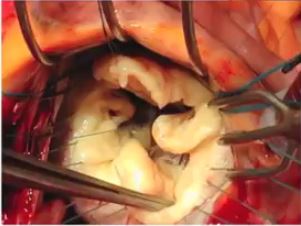
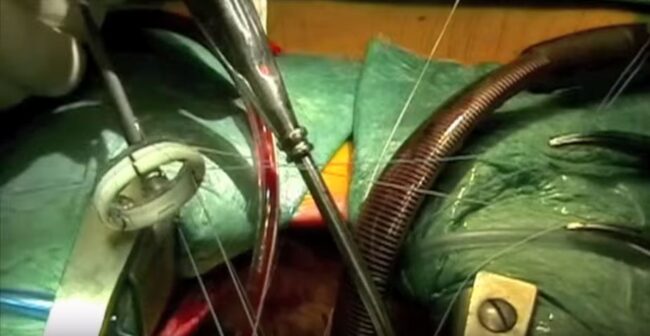
Minimally invasive mitral valve repair is accepted as a reliable technique, and its use has spread. The respect rather than resect approach is now widely used in mitral valve repair, and Gore-Tex neochordae are the cornerstone of this treatment. One of the perioperative difficulties is to adapt the length of the neochordae to a proper…
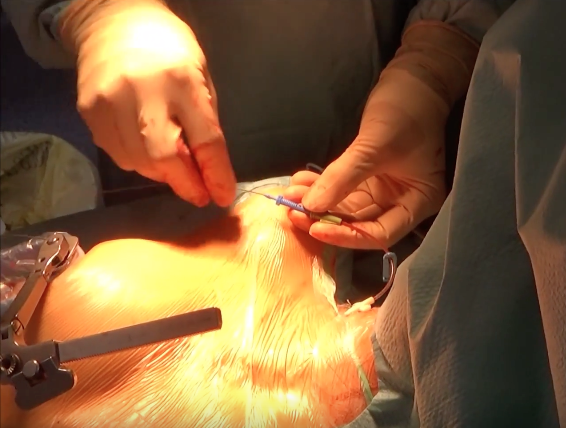
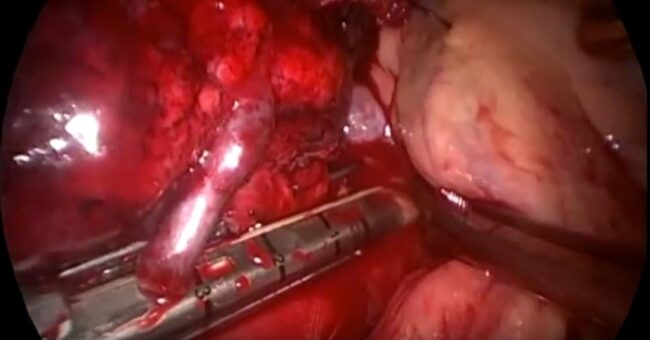
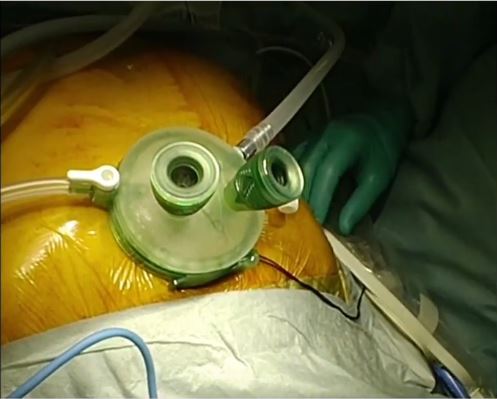
Safety is an important element of every surgical technique. Microlobectomy, a form of VATS lobectomy, uses 5 mm ports in the intercostal spaces and removes the tumor from the subxiphoid space. This video demonstrates the safe control of pulmonary artery bleeding, conversion to VATS lobectomy where the PA is slung, and completion of the operation.
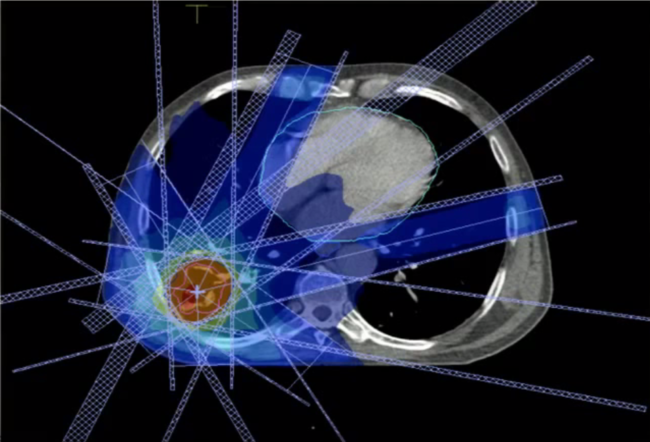
Michael Snee of St. James’s Institute of Oncology, Leeds, United Kingdom gives an informative talk on stereotactic ablative radiotherapy (SABR), an alternative treatment for peripheral early stage lung cancer in higher risks patients who are unable to undergo surgery. Dr. Snee provides an overview of SABR, including patient selection and current comparative trials. This presentation…
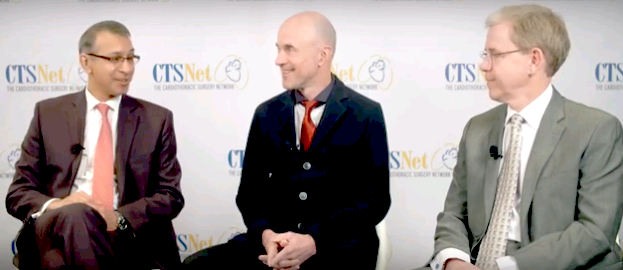
In a roundtable discussion filmed at the 2016 STS Annual Meeting in Phoenix, Arizona, Vinod Thourani of Emory University School of Medicine, Atlanta, Georgia, David Heimansohn of St. Vincent Heart Center of Indiana, Indianapolis, Indiana, and Borut Gersak of the University Medical Center Ljublijana, Ljubljana, Slovenia, share their experience with the Perceval Aortic Pericardial Heart…
The author has previously reported on cases involving trans-subxiphoid robotic thymectomy, in which the camera is inserted from the subxiphoid incision and robotic forceps are inserted from the bilateral intercostal spaces. This video presents the case of a 68-year-old female patient who was diagnosed with myasthenia gravis of MGFA class IIb. Chest CT findings led to…
Aortic valve-sparing procedures have become increasingly popular over the past decade. This video demonstrates the re-implantation procedure for aortic root replacement (described by David et al.), aortic root remodeling, and implantation of an expansible ring. This approach (described by Lansac et al.) allows for a physiological reconstruction of the aortic root, while providing stabilization of…
Click below to view the full PDF. This protocol is provided by the James Cook University Hospital, Middlesbrough, United Kingdom.
In an interview filmed at the Cambridge VATS Symposium, Joel Dunning talks with Tom D’Amico, Professor of Thoracic Surgery at Duke University and a pioneer in the field of VATS lobectomy. Dr. D’Amico discusses the early days of VATS lobectomy, how the approach has evolved, and specific clinical scenarios.
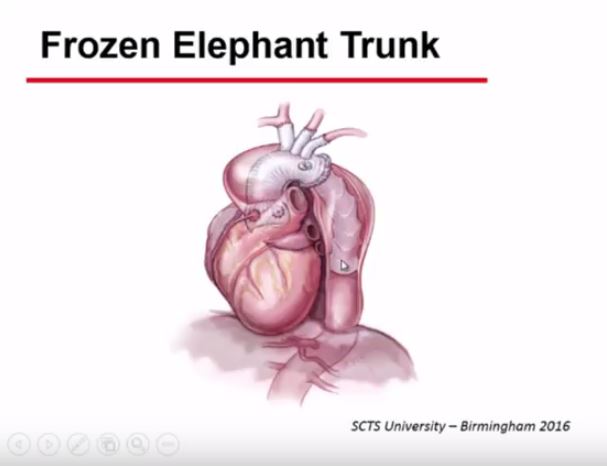
Jorge Mascaro of Queen Elizabeth Hospital, Birmingham, United Kingdom, discusses the significant challenge of aortic arch replacement and the various approaches a surgeon can take, giving special attention to the Birmingham approach. He provides insights into determining which approach is best suited for the individual patient. This presentation was originally given during the SCTS Ionescu…
Papillary fibroelastoma is the most common benign tumor of the cardiac valvular apparatus, and is considered the second most common type of cardiac tumor. Advancement in trans-esophageal echocardiography technology has significantly improved the ability of surgeons to spot papillary fibroelastoma, as well as evaluate the structural and functional anatomy of the adjacent heart valves. The…
A 57-year-old patient was admitted for metachronous single metastases in the left lower lobe. The metastasis was located in the apical segment of the lower lobe and was 4.5 cm large. Three years prior, the patient had undergone rectum resection followed by adjuvant therapy. A uniportal videothoracoscopic posterior approach with a 4 cm single incision…
Walter Kleptko of the Vienna Medical University, Vienna, Austria, gives an exciting talk on the current state and future of lung transplantation. Dr. Klepetko discusses advances in surgical techniques, donor organ utilization, and expansion of indications. He also stresses the importance of transplant centers working together across regions and borders to provide the best care…
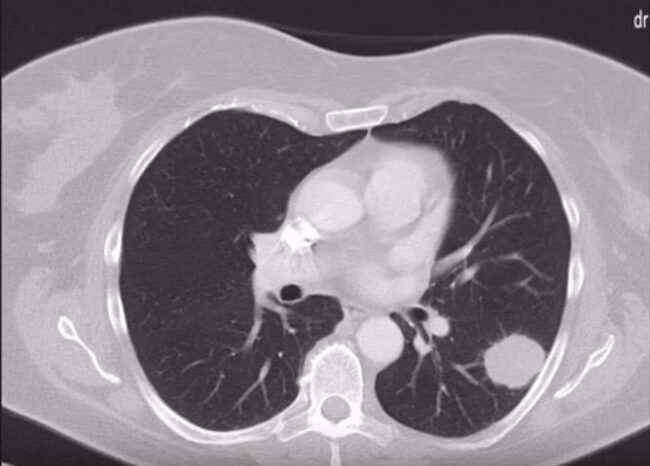
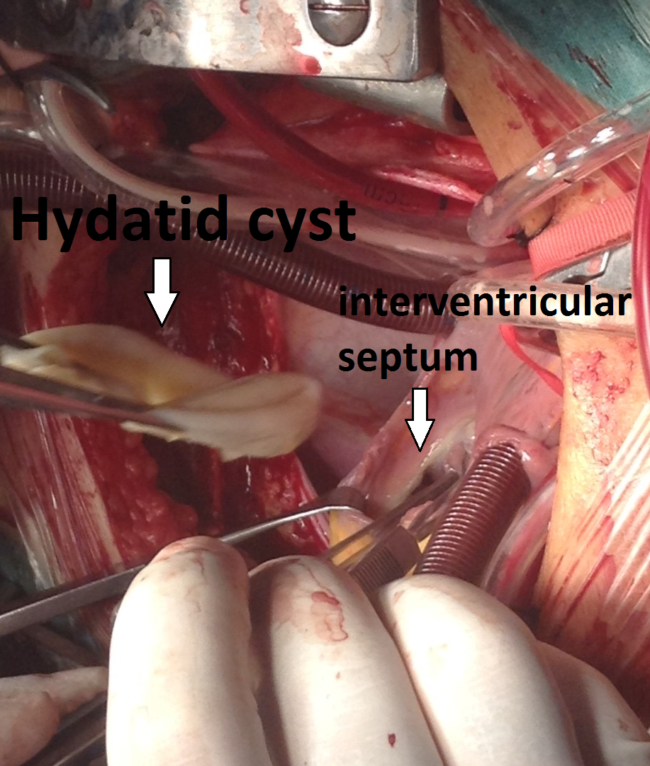
Figure 1: 40×35 mm cystic mass Introduction Hydatid disease (cystic echinococcosis) arises from the echinococcus granulosus tapeworm and is endemic in some livestock-raising countries. Cardiac involvement is seen in only 0.2-3% of patients with hydatid disease, and IVS is involved in just 4% of cardiac cases (3). Hydatid disease may present as heart block and VSD…
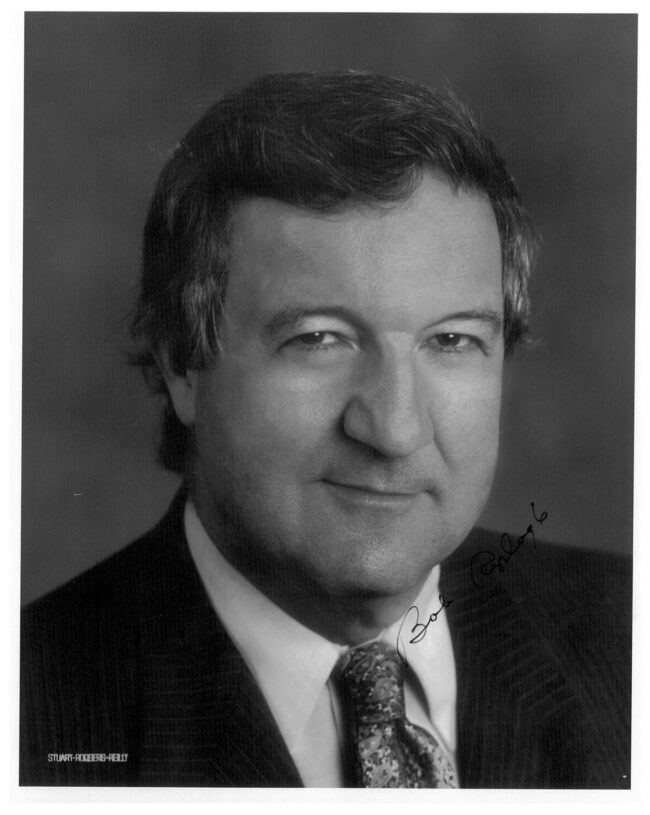
Robert L. Replogle, MD, the driving force behind the creation of CTSNet, died Monday, May 9, at the University of Chicago Medical Center surrounded by his loving family. He was a notable figure in cardiothoracic surgery worldwide, and will be remembered as a clinical surgeon, researcher, educator, and leader. Bob grew up in a farming…