Content from the Journal of the American Neurological Surgeons.
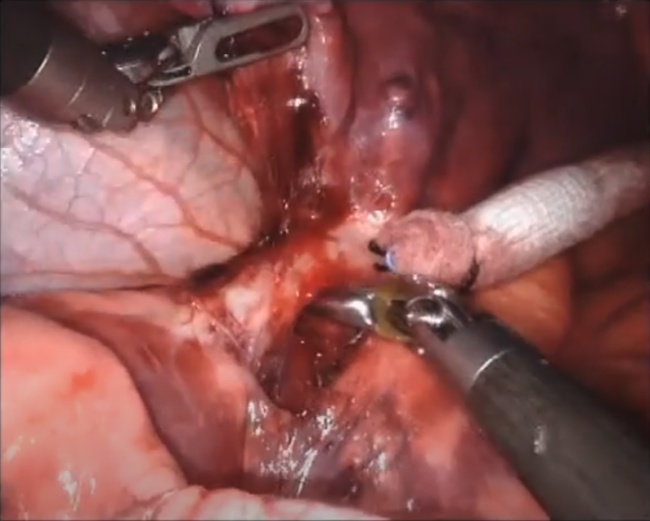
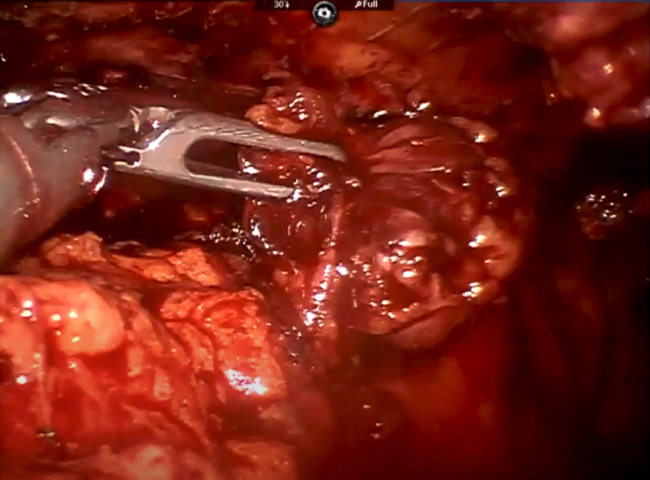
Minimally invasive anatomic pulmonary segmentectomy requires intraparenchymal dissection for the exposure of the segmental vessels and bronchi. This dissection is performed bluntly during video-assisted thoracoscopic surgery (VATS), leading to increased air leak and a longer length of stay (LOS). The robotic platform enables a meticulous dissection due to its improved visibility, enhanced dexterity, and the…
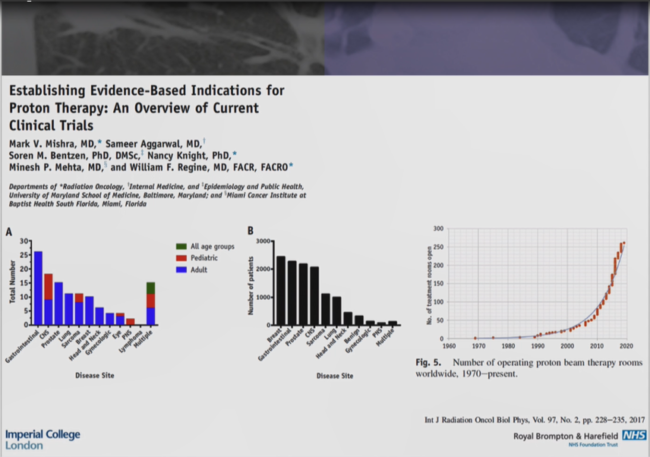
Eric Lim of the Royal Brompton Hospital in London, UK, discusses the future of general thoracic surgery in the context of a rapid rise of competing radiotherapy technology. He demonstrates the rapid growth of radiotherapy but also presents ways that general thoracic surgeons can have an advantage over this competing specialty. This presentation was originally…
Interest and access to robot thoracic surgery has increased over the last decade. This increased interest from surgeons, hospitals, and patients has led many surgeons to transition from their standard practice of open or thoracoscopic lobectomy to robotic lobectomy. High-volume robotic programs have shown a decrease in the length of hospital stay, 30-day mortality, and…
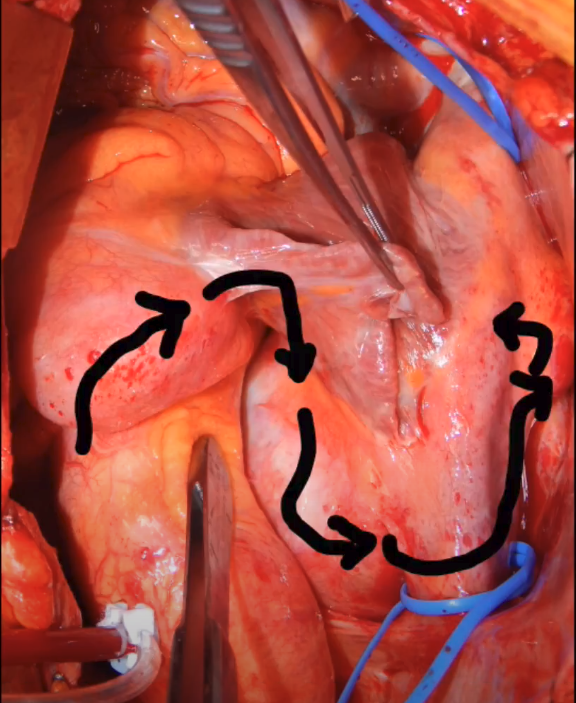
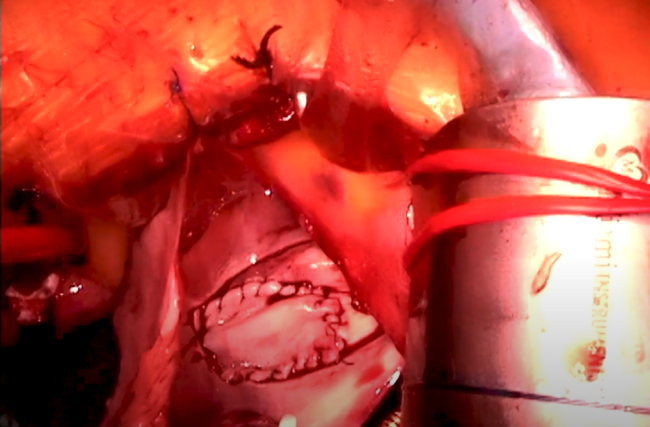
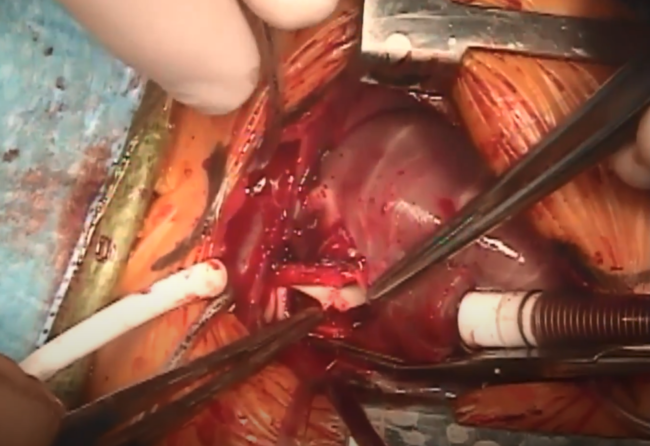
A 56-year-old man presented with shortness of breath and palpitations. Workup and evaluation revealed paroxysmal atrial fibrillation, severe tricuspid regurgitation, and a giant right coronary aneurysm with an arteriovenous fistula to the right atrium. An echocardiogram revealed an aneurysm of the proximal right coronary artery. Cardiac catheterization and cardiac magnetic resonance imaging showed the aneurysm…
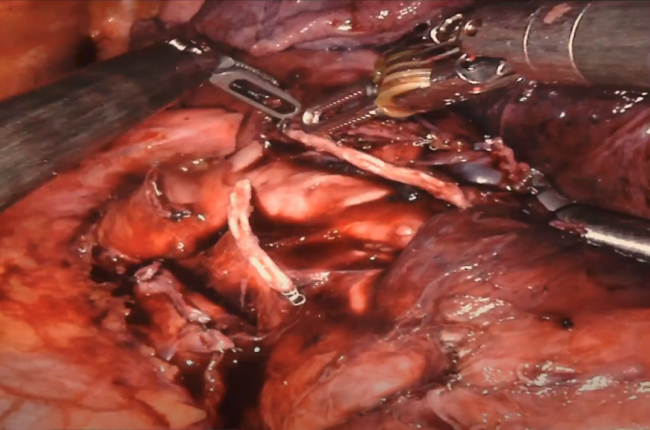
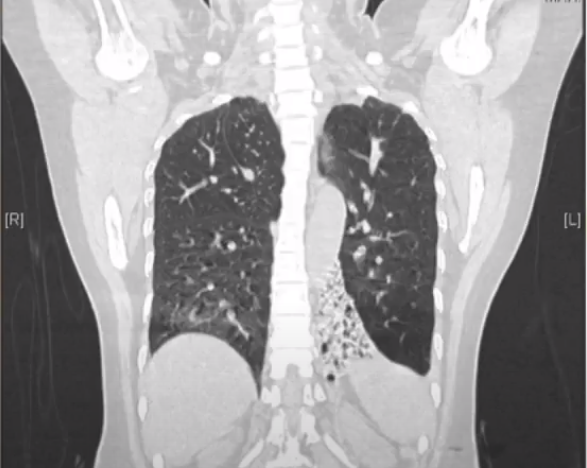
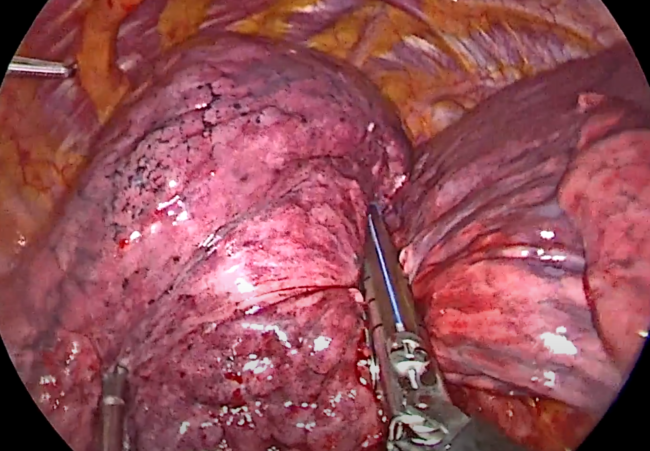
This video demonstrates the technical aspects of performing a left lower lobectomy in a patient with cystic bronchiectasis. The severity of the pathology is notable, and it can be seen in the computed tomography imaging, as well as in the operative views. The author describes this severity as being “end-stage,” as the lobe is completely…
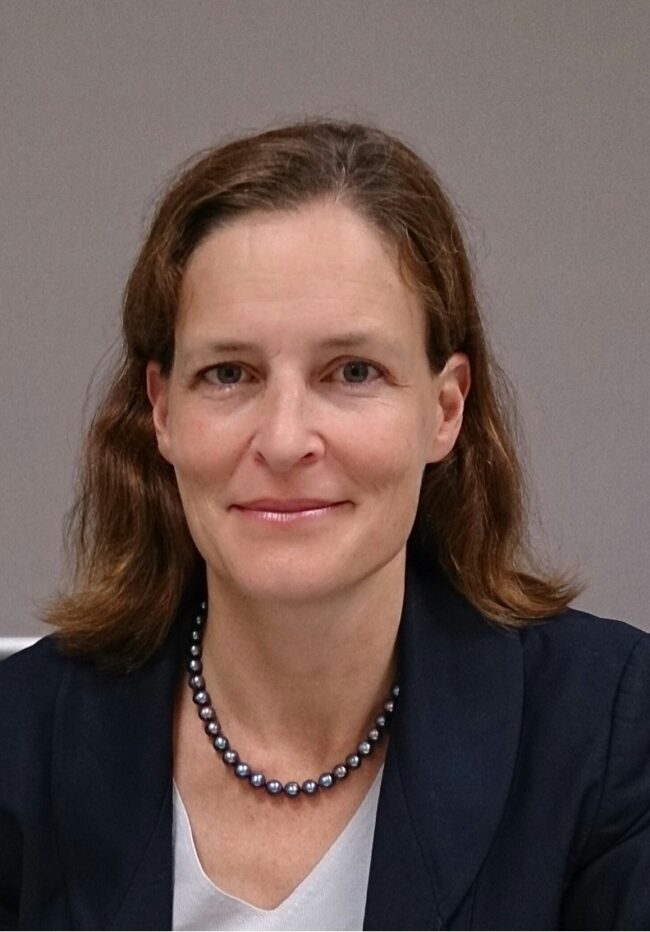
Dr Silvana Marasco, MBBS, M Bioeth, PhD, is a cardiothoracic surgeon and the Deputy Director of the Department of Cardiothoracic Surgery at The Alfred Hospital in Melbourne, Australia. Dr Marasco earned her MBBS at Monash University in Melbourne. Early in her career she completed an overseas fellowship at the University of Virginia Medical Center in…
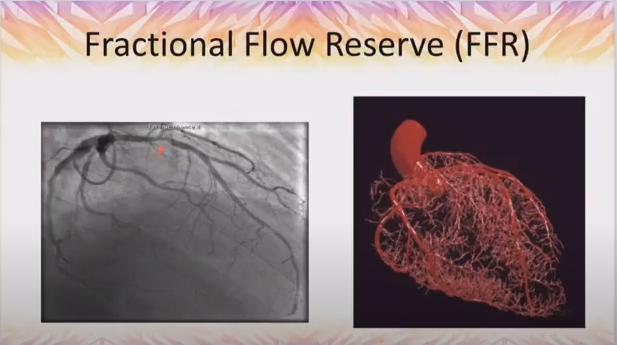
Miles Behan of the Edinburgh Heart Centre in Scotland, UK, discusses fractional flow reserve (FFR) prior to cardiac surgery. He focuses on the role of FFR in guiding grafting decisions for patients with multivessel disease and patients who have aortic stenosis and coronary disease. This presentation was originally given during the SCTS Ionescu University program…
Filmed at the 2017 STS Annual Meeting in Houston, Texas, Shanda Blackmon of the Mayo Clinic in Rochester, Minnesota, moderates a discussion on how to approach multifocal lung cancer. Dr Blackmon is joined by Scott Swanson of the Brigham and Women’s Hospital in Boston, Massachusetts, Thomas D’Amico of Duke University Medical Center in Durham, North Carolina, and…
Atrial septal defect (ASD) is one of the most common congenital lesions in adults. Percutaneous device closure remains the preferred approach. For ASDs that are not amenable to percutaneous closure, minimally invasive ASD repair represents an important and safe alternative.
In interrupted aortic arch with a wide interruption gap between proximal and distal aortic portions, the ascending aortic slide is a safe and reproducible technique. It provides a tension-free native tissue bridge with potential for growth, as well as providing a scaffold for patch augmentation in biventricular hearts or for Norwood stage I in univentricular…
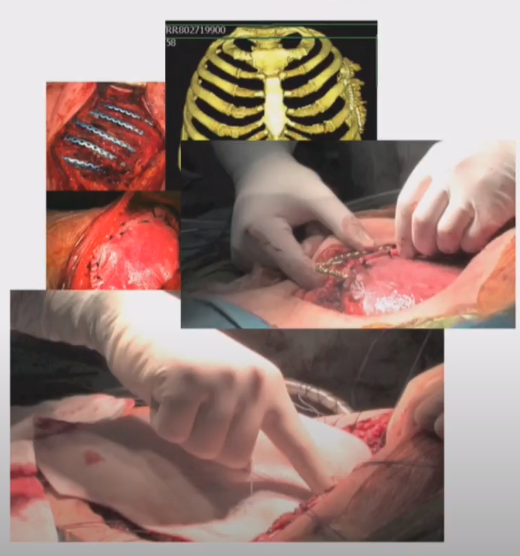
Konstantinos Papagiannopoulos of the St James University Hospital in Leeds, UK, reviews prostheses and adjuncts for chest wall reconstruction. He discusses the pathologies that require chest wall reconstruction and focuses on the benefits and drawbacks of the different materials from which prostheses can be constructed. This presentation was originally given during the SCTS Ionescu University…
This video demonstrates the excision of a parathyroid adenoma that was causing severe hypercalcemia. The hypercalcemia was initially treated conservatively. The patient had previously undergone coronary bypass grafting; the risk of redo sternotomy in the face of patent grafts was felt to be too high, and a lateral approach was initially felt to be safer…
This video takes the viewer through the initial steps of an aortic valve replacement, after the patient has been placed on cardiopulmonary bypass. Anatomical diagrams help to demonstrate the anatomical concepts surrounding these steps, which would otherwise be rather difficult to conceptualize for those not trained to do so. References Emery RW, Voeller RK,…
This video describes a video-assisted thoracoscopic surgery (VATS) subcostal biportal right lower lobectomy performed as a day surgery. This abdominal extrathoracic approach is inspired by both Chinese and UK experience in VATS subxiphoid major pulmonary resections. The motivation was to explore an original way for better recovery and minimizing invasiveness, without making any concessions on safety…
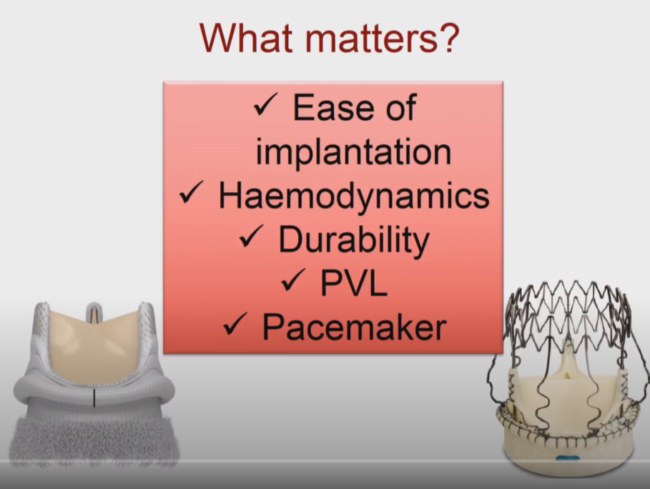
Christopher Young of St Thomas’ Hospital in London, UK, reviews clinical trials evaluating sutureless aortic valve implantation. He focuses on patient outcomes, valve hemodynamics, and the combination of rapid deployment valves with minimally invasive surgical approaches. This presentation was originally given during the SCTS Ionescu University program at the 2017 Annual Meeting of the Society…
Filmed at the 2017 STS Annual Meeting in Houston, Texas, Amy Fiedler of Massachusetts General Hospital in Boston moderates a discussion on the transition from residency training to practice. Dr Fiedler is joined by Ahmad Sheikh of Kaiser Permanente San Francisco Medical Center in California, Joseph Cleveland of the University of Colorado Health Sciences Center…