Content from the Journal of the American Neurological Surgeons.
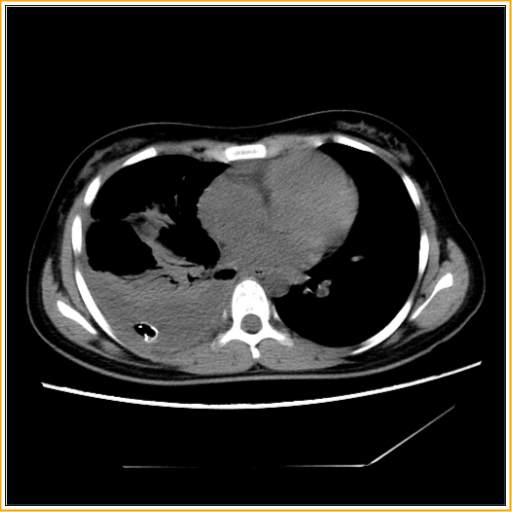
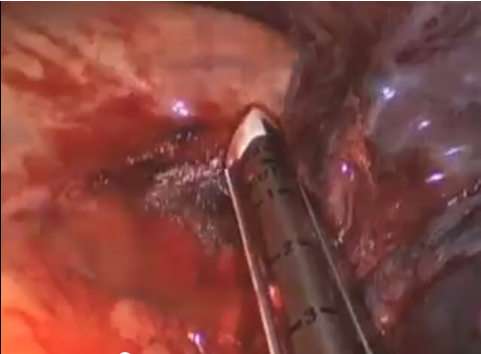
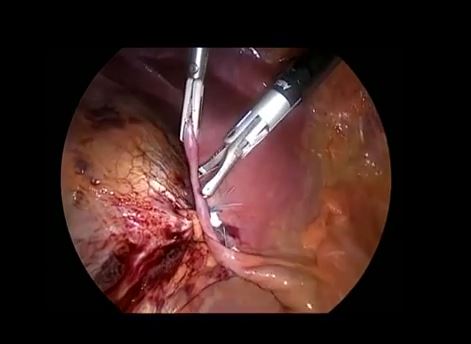
Introduction Thoracoscopic decortication for stage 2 fibrinopurulent effusion has the advantage of using a minimally invasive technique in an already morbid patient where other modalities have failed (1,2,3). These patients usually have some degree of rib crowding due to a collapsed lung, along with a chest drain that has failed to clear the pleural content…
This video demonstrates construction of a mediastinal stoma after laryngotrachiectomy using a pectoralis major myocutaneous flap. The procedure was performed in a 53-year-old patient who had a past history of squamous cell carcinoma of the right piriform sinus treated by supraglottic hemipharyngolaryngectomy. In the postoperative course, a right pectoralis muscle flap was used to close…
Objectives: In this video, the authors demonstrate the surgical techniques for correction of anomalous aortic origin of the right coronary artery (RCA) with an interarterial and intramural course (AAORCA) or from the pulmonary artery (ARCAPA) in two young adults. Case 1: A 16-year-old boy presented with a long-standing history of chest discomfort, palpitations, and dizziness with…
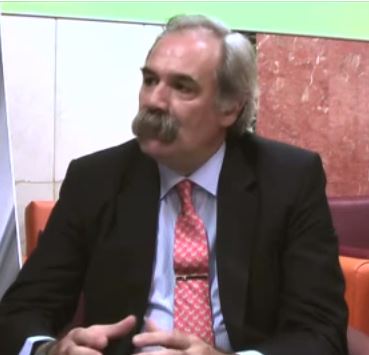
Joel Dunning talks with Carlos Mestres, Senior Staff Surgeon at the University of Barcelona, member of the International Collaboration on Endocarditis, and Associate Editor of the European Journal of Cardiothoracic Surgery. In this interview, Mr. Dunning and Dr. Mestres take an in-depth look at the treatment of endocarditis. Dr. Mestres stresses that proper treatment requires…
The left upper lobectomy is considered by many surgeons to be the most difficult lobectomy performed using minimally invasive VATS approaches. Part of this difficulty is due to the frequent variability of the vascular anatomy of this region, especially when the interlobar fissure is incomplete or missing. In some cases of left upper lobectomies, in…
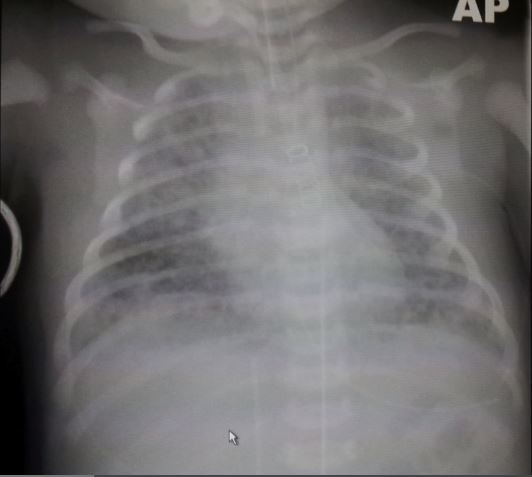
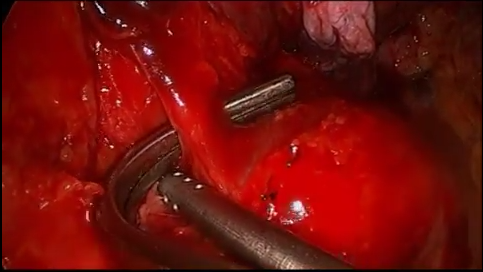
In this video, the authors show how to start veno-arterial ECMO support (VA-ECMO) through cervical cannulation, using the right internal jugular vein and right common carotid artery. This site is chosen over the femoral approach, as it avoids the associated complications, particularly in newborns and non-walking infants. In patients who require ECMO after a cardiac operation,…
The safety of thoracoscopic lobectomy has been demonstrated and minimally invasive techniques are seeing increasing use in general thoracic surgery. With minimally invasive techniques, postoperative outcomes can involve decreased pain, blood loss, shorter length of stay, and improved compliance with adjuvant therapy. More recently, thoracoscopic techniques have been used to supplement conventional open approaches and…
Joel Dunning, CTSNet Co-Editor, talks with W. R. Eric Jamieson, retired Professor of Surgery and former Director of Clinical Cardiac Surgery Research at the University of British Columbia. An active member of the Society of Heart Valve Disease, Professor Jamieson contributed to the Canadian Guidelines for Treatment of Valvular Heart Disease and has been involved…
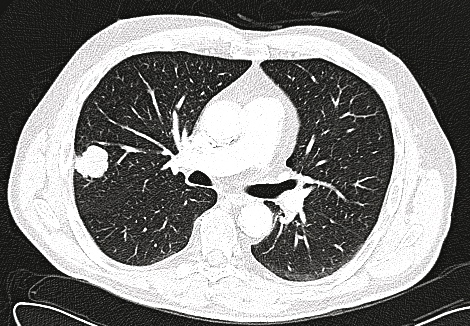
Since video-assisted thoracoscopic surgery (VATS) was described for anatomic lobectomies, many technical variations have been published. The uniportal technique, which enables the entire procedure to be performed through a single port, was recently introduced. This video shows a uniportal VATS lobectomy for lung cancer treatment. Image 1: Computed tomography showing the 3 x 2.8 cm…
Introduction Left ventricular aneurysm (LVA) is defined as circumscribed, thin-walled, non-contractile out-pouching of the ventricle (1). True aneurysm of left ventricle (LV) develops after completed myocardial infarction resulting in the out-pouching of thinned and scarred myocardium which becomes dyskinetic in systole. LV aneurysms predispose to thrombo-embolism, congestive cardiac failure, and ventricular arrhythmias (2). Anterior wall…
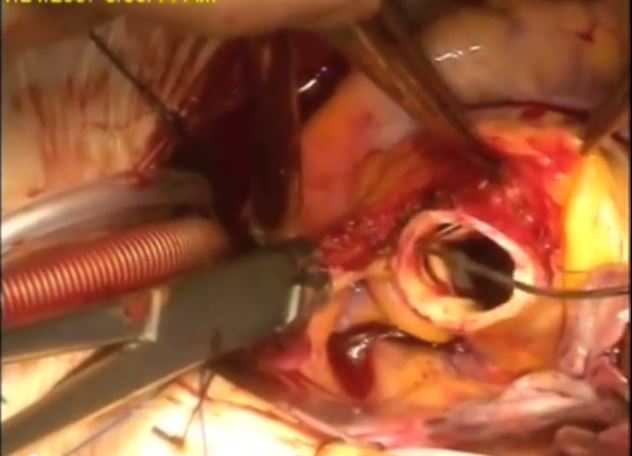
Presented at the 2012 STS Annual Meeting Purpose: Increasing the use of autologous valve repair holds promise for improving the results of aortic valve surgery. In endocarditis cases with only one leaflet destroyed, preserving the normal leaflets and replacing the destroyed leaflet with autologous pericardium could be especially useful, since long-term valve-related complications have been…
CTSNet Co-Editor Joel Dunning interviews Duke Cameron, a leading cardiac surgeon specializing in the treatment of aortic aneurysm, at the 2011 STS Annual Meeting in San Diego. Dr. Cameron is the Chief of Cardiac Surgery and Director of the Albert “Cubby” and Dana Broccoli Aortic Surgery Center at Johns Hopkins Hospital, where he has worked…
Diego Gonzalez Rivas, MD, FETCS, is the creator of the uniportal VATS lobectomy procedure. Joel Dunning, FRCS, PhD sat down with Dr. Gonzalez Rivas at the 2013 Annual EACTS Meeting in Vienna, to discuss how this innovative procedure was developed. Dr. Gonzalez Rivas talks about the origin of the procedure, shares insights for successful uniportal…
Filmed at the 2013 EACTS Annual Meeting, this roundtable discussion focuses on Video Assisted Thoracoscopic Surgery (VATS), specifically VATS Lobectomy. Joel Dunning, FRCS, PhD moderates this discussion with Marco Scarci, MD, FRCS, and Peyman Sardari Nia, PhD. The panelists each share their preferred method of approach for VATS, share tips for successful procedures, and evaluate…
CTSNet is sad to announce the passing of Dr. Roy K. Greenberg. Dr. Greenberg, 49, died December 7, 2013 at his home on Lake Erie near Cleveland, OH. He was born in Ithaca, NY to Iris and Donald Greenberg on November 9, 1964. Roy obtained his Bachelor’s degree at Cornell University and his medical degree…
This video demonstrates a VATS diaphragm plication. The patient had phrenic nerve paralysis of the left hemidiaphragm from an unknown cause. The patient had to give up his job due to shortness of breath and had a restrictive defect that was 30% worse in supine lung function testing. Ventilation scanning also demonstrated only 20% left…