Content from the Journal of the American Neurological Surgeons.
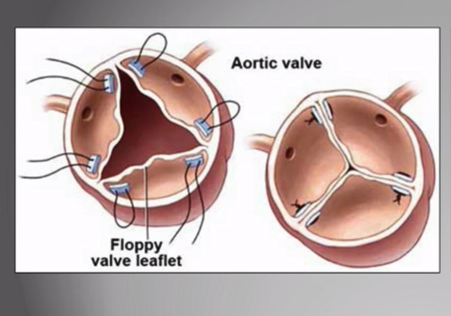
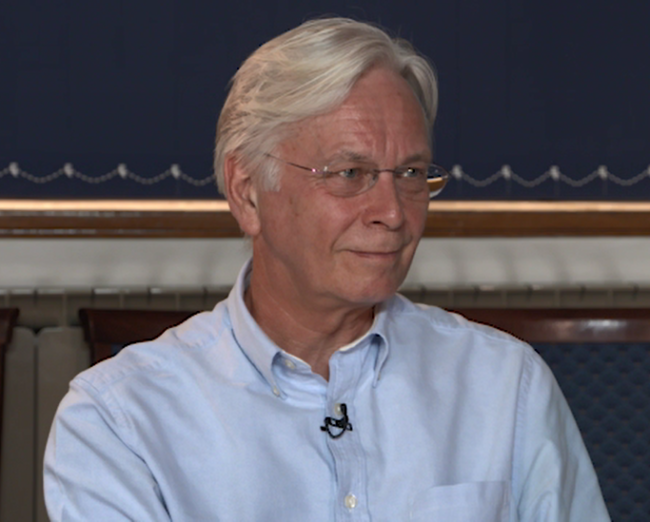
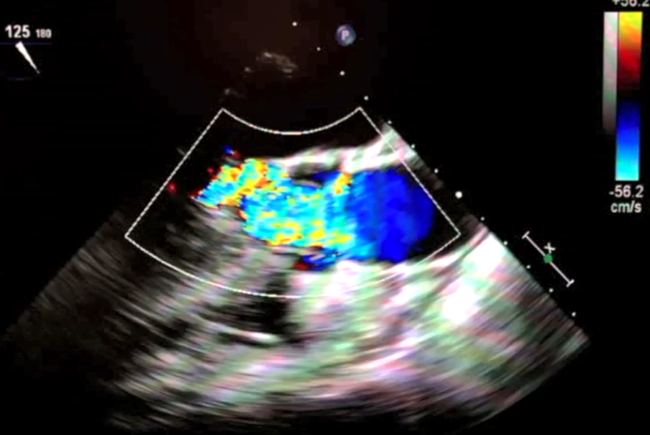
Manuel J. Antunes of the University Hospital in Coimbra, Portugal, presents a discussion on aortic stenosis and aortic insufficiency in rheumatic heart disease. This presentation was originally given during the SCTS Ionescu University program at the 2018 Annual Meeting of the Society for Cardiothoracic Surgery in Great Britain and Ireland. This content is published with…
In this interview, Shruti Jayakumar of King’s College London School of Medicine in the UK and Martin Elliott of the Great Ormond Street Hospital for Children in London, UK, discuss his path to and experience in congenital heart surgery. Professor Elliott describes the importance of recognizing the patient, safety and outcomes, leadership and teamwork, and…
This video demonstrates a robotic right upper lobe apical segmentectomy as surgical treatment for a lung metastasis from colorectal carcinoma, performed with the da Vinci Si platform using a three-arm technique plus a 10 mm assistant port. In the right arm, the authors used the fenestrated Marlyland bipolar forceps and the Cardiere forceps were used…
While anatomical and clinical indications to transcatheter aortic valve interventions are expanding, surgical aortic valve replacement (AVR) continues to progress, as demonstrated by improving clinical outcomes in contemporary patients’ cohorts (1-2). However, mainly due to the availability of significantly less invasive transcatheter cardiac and noncardiac interventions, patients’ expectations have dramatically changed in the last decade…
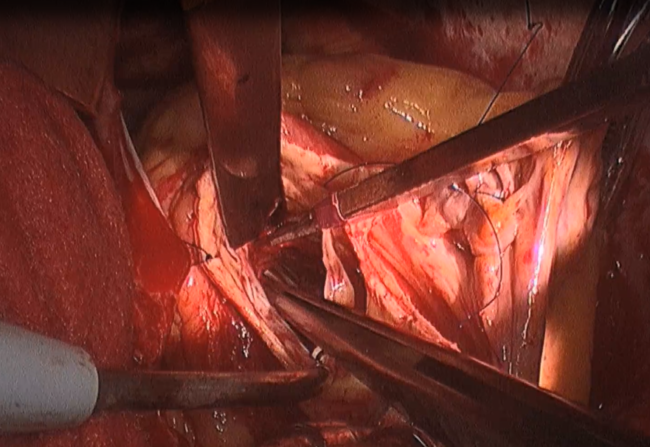
Introduction Complex long-segment septal hypertrophy consists of both hypertrophic subaortic stenosis and midventricular obstruction [1-3]. Untreated midventricular obstruction leads to recurrent symptoms and reduced survival [1, 2]. A combined transaortic and transapical approach during a single operation allows for excellent exposure of the midventricular obstruction-related hypertrophied septum [1, 2]. The authors demonstrate a combined transaortic…
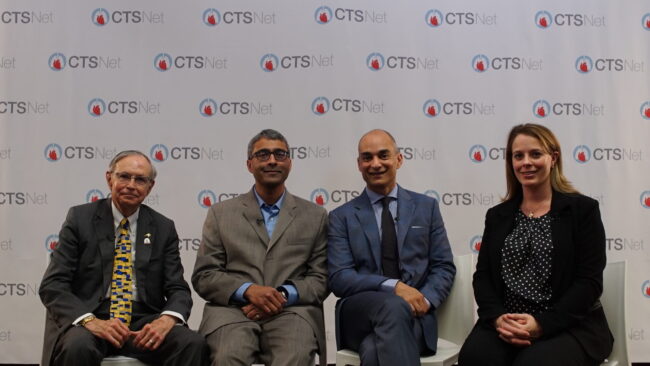
Filmed at the 2018 STS Annual Meeting in Fort Lauderdale, Florida, Jay Pal of the University of Colorado moderates a discussion on medical volunteerism. He is joined by HelenMari Merritt of the University of Nebraska Medical Center in Omaha, Adil Husain of the University of Utah Primary Children’s Hospital in Salt Lake City, and Fred…
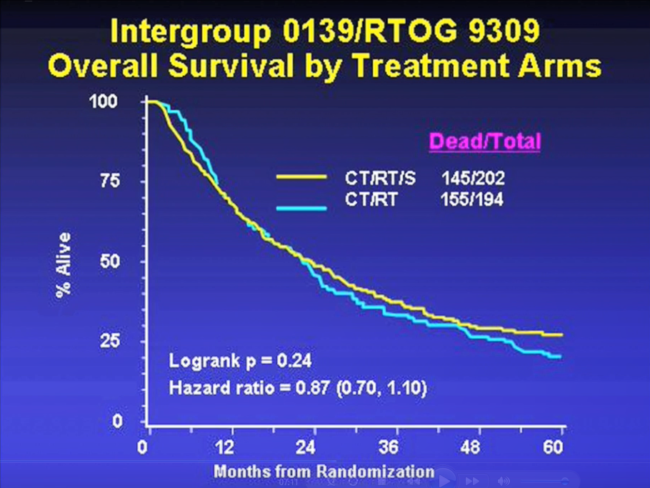
Stephen D. Cassivi of the Mayo Clinic in Rochester, Minnesota, presents a discussion on multidisciplinary approaches to the surgical treatment of stage Illa N2 disease. This presentation was originally given during the SCTS Ionescu University program at the 2018 Annual Meeting of the Society for Cardiothoracic Surgery in Great Britain and Ireland. This content is…
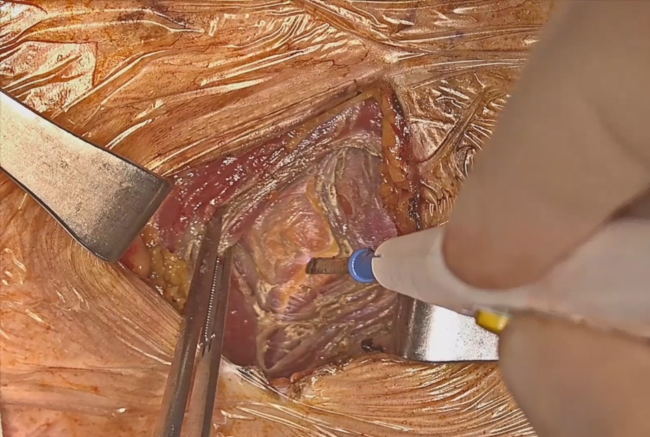
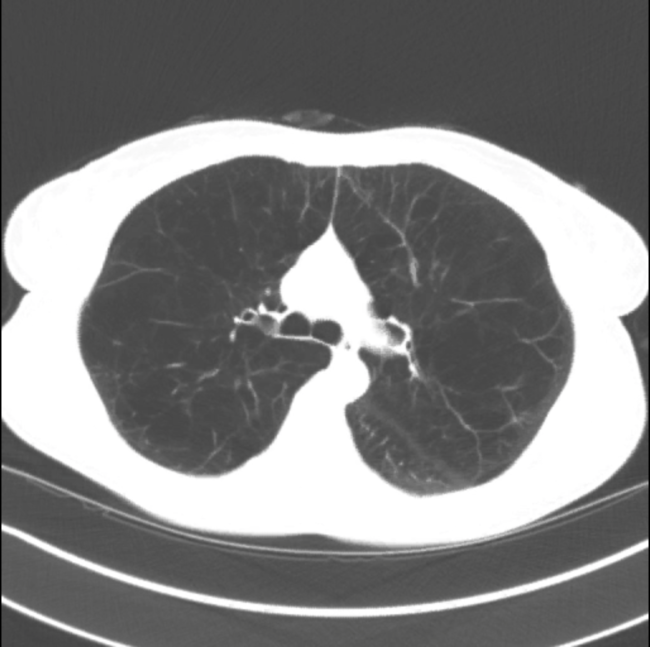
A 50-year-old woman with severe emphysema due to smoking underwent lung volume reduction surgery of her right upper lobe. A subxiphoid incision measuring 2.5 cm was made, through which the telescope and video-assisted thoracoscopic instruments were introduced and the target lung was removed. Deflation of the target lung was facilitated by puncturing the lung with…
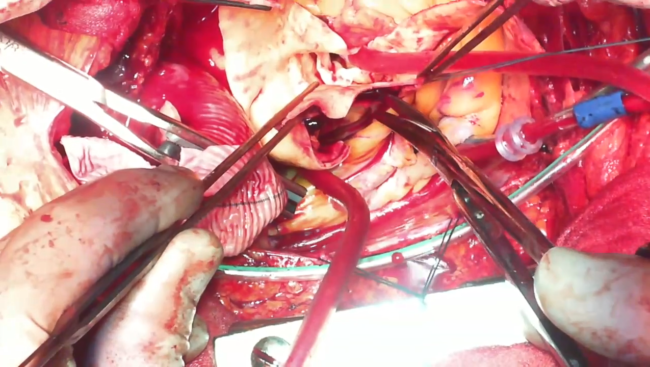
This video demonstrates the steps of an acute type A aortic dissection repair. The authors used a stented E-vita graft to replace the descending aorta and the arch. An aortic homograft was used to replace the aortic root and valve. This video was produced in collaboration with Heartwork Videos.
The patient was a 61-year-old man with hypertrophic obstructive cardiomyopathy with severe heart failure symptoms (New York Heart Association functional class III). His cardiovascular history included dyslipidemia, smoking, and the death of his father by sudden death. Transthoracic echocardiography showed mild septal hypertrophy (17 mm) confined mainly to anterior, lower-basal, and medium portions of the…
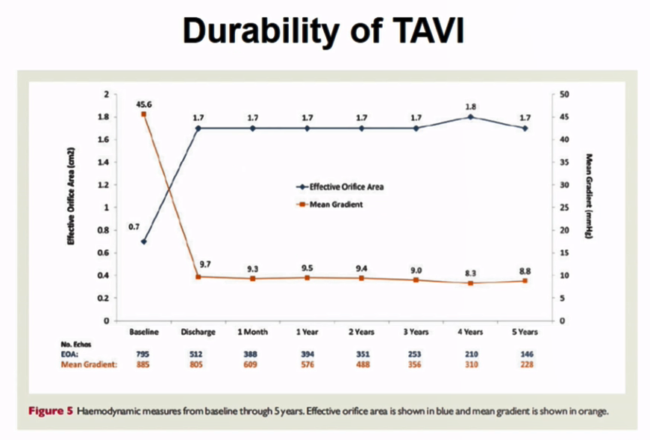
Torsten Doenst of the University Heart Center Thuringen in Germany presents a discussion on the importance of long-term durability when considering conventional versus transcatheter valves. This presentation was originally given during the SCTS Ionescu University program at the 2018 Annual Meeting of the Society for Cardiothoracic Surgery in Great Britain and Ireland. This content is…
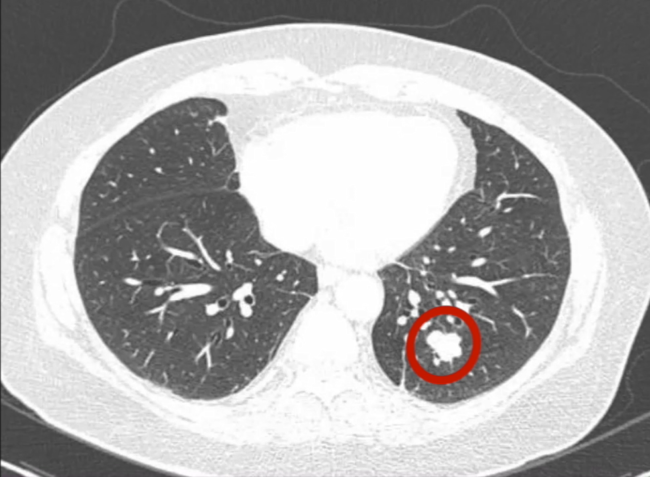
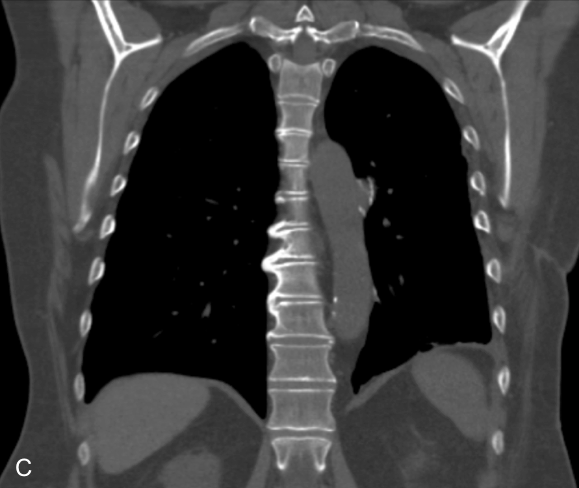
Figures 1A and 1B A 68-year-old woman presented to the thoracic surgery clinic for evaluation of a large left lower lobe mass. Six months prior, she had undergone attempted right-heart-catheterization at an outside hospital, which was aborted due to an acute pulmonary hemorrhage. Physical examination revealed decreased breath sounds at the left lung base. Computed…
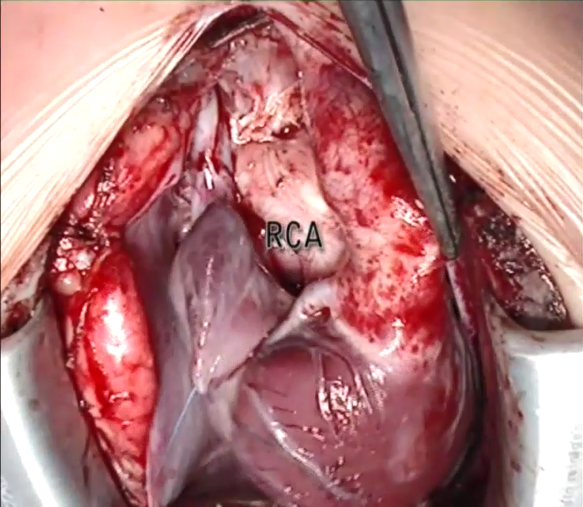
Currently the posterior translocation of the aorta, the Nikaidoh procedure, is utilized in: complete transposition of the great arteries (d-TGA) with ventricular septal defect (VSD) and left ventricular outflow tract obstruction (LVOTO) [1,2,3] (video 1), corrected TGA (ccTGA) with VSD and complex LVOTO [4,5], and double outlet right ventricle (DORV) – TGA type with complete…
The half-turned truncal switch operation is suitable for transposition of the great arteries (TGA) or TGA-type double outlet right ventricle (DORV) with left ventricular outflow obstruction, anteroposterior relationship of the great arteries, and mild-to-moderate pulmonary stenosis. A pulmonary-aortic annular diameter ratio of 0.3 to 0.8 is most preferable. This operation, which is not affected by…
Dr. Viktor Hraska is a professor of surgery and the chief of the Division of Congenital Heart Surgery at the Medical College of Wisconsin and the surgical director of the Herma Heart Institute at the Children’s Hospital of Wisconsin, both in Milwaukee, USA. Dr. Hraska earned his MD from the Comenius University in Bratislava, Czechoslovakia. He…
Bob Kiaii of the London Health Sciences Centre in Ontario, Canada, presents a discussion on long-term experience with robotic-assisted coronary artery bypass grafting. He discusses his initial experience with robotic-assisted surgery, technological advancements, patient selection, and outcomes. This presentation was originally given during the SCTS Ionescu University program at the 2018 Annual Meeting of the…