Content from the Journal of the American Neurological Surgeons.
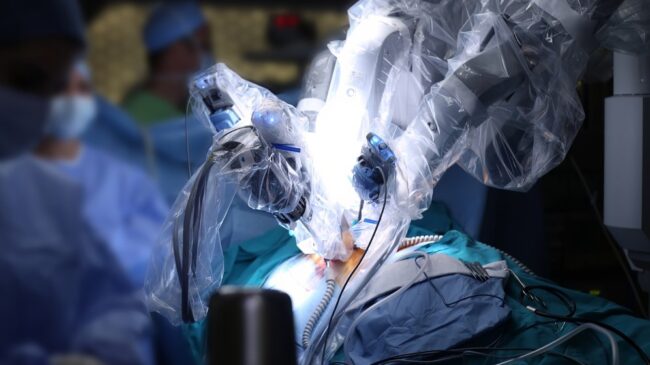
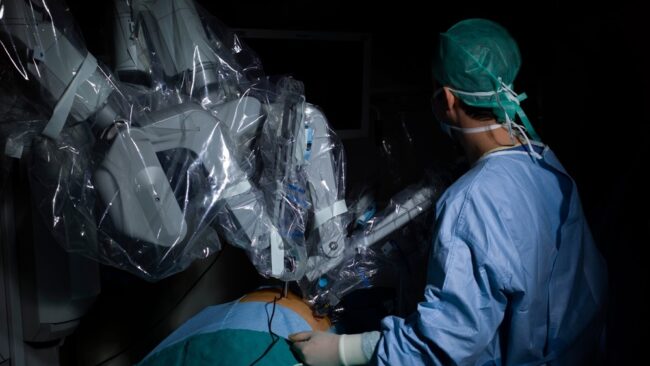
In this video, the author demonstrates a robotic left atrial myxoma resection. The author uses the same approach for all valve operations including AVRs and MV repairs, and an identical approach for HOCM. This video demonstrates the same technique being applicable to myxoma resection. Four 8 mm Intuitive robotic ports were used for the endoscope…
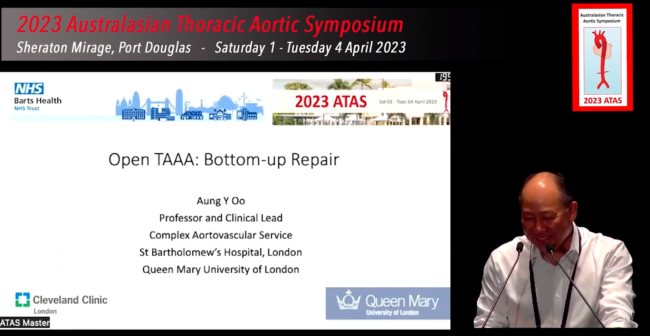
As a part of the 2023 Australian Thoracic Aortic Symposium, Dr. Aung Oo presented on his methods for bottom-up thoracoabdominal aortic aneurysm repair. Dr. Oo is a cardiothoracic surgeon at St. Bartholomew’s Hospital in London, UK. View Dr. Oo’s CTSNet profile for more of his articles and videos on topics in cardiac surgery. Disclaimer The…
With the evolution of technology, thoracic endovascular repair (TEVAR) has been implicated in complex aortic pathologies including acute aortic syndrome. In this case, a seventy-seven-year-old man with a history of open abdominal aortic aneurysm repair and hypertension underwent emergent Zone 2 TEVAR for a ruptured type B aortic dissection (TBAD), which covered the left subclavian…
This video demonstrates the most technically difficult initial steps to a minimally invasive, robotic-assisted tracheobronchoplasty, namely the exposure and repair of the left mainstem bronchus. The video details the dissection on the left mainstem from the mediastinal lymph nodes and esophagus and exemplifies the coordination of the surgeon and the anesthesiologist in the “stop, drop,…
CTSNet hosted a joint webinar with ASAIO Journal on November 16, 2023 featuring a group of enthusiastic and industry-pushing professionals to discuss the topic, “The Total Artificial Heart—2024 and Beyond!” Panelists included Dr. Duc Pham, Associate Professor in the Department of Surgery at Northwestern University Feinberg School of Medicine; Dr. Jacob Schroder, Assistant Professor in…
Optimally, coverage of the left subclavian artery orifice should be revascularized. The most widely used method of revascularization is the carotid-subclavian bypass. This is commonly performed by vascular surgeons, and is associated with morbidities related to phrenic nerve and thoracic duct injuries that are not uncommon. Carotid-axillary bypass is an alternative revascularization strategy that is…
A sixty-one-year-old woman presented with a history of incidentally noted hypercalcemia and worsening bone pain over the preceding weeks. Her past medical history included gastroesophageal reflux and previous smoking history with no prior thoracic surgeries. Labs demonstrated a calcium level of 11.4 mg/dL with an elevated parathyroid hormone (PTH) of 130 pg/mL. Parathyroid hormone related…
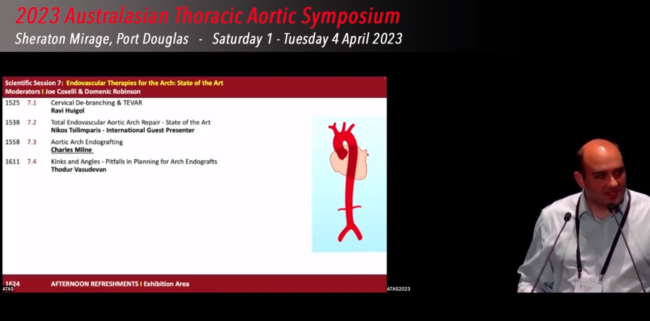
As a part of the 2023 Australian Thoracic Aortic Symposium, international guest presenter Prof. Nikos Tsilimparis presented on his state-of-the-art method for total endovascular aortic arch repair. Prof. Tsilimparis is head of vascular surgery at LMU Hospital in Munich, Germany. Disclaimer The information and views presented on CTSNet.org represent the views of the authors and…
Coronary artery aneurysm (CAA) is quite uncommon, occurring in less than 5 percent of angiography series. It is defined as the dilatation of a coronary artery which exceeds 50 percent of the reference vessel diameter (1). A CAA is termed giant if its diameter exceeds the reference vessel diameter by more than four times or…
At the 2023 EACTS Annual Meeting, CTSNet Editor in Chief Joel Dunning and CTSNet senior editors set out to interview the most knowledgeable CT surgeons from around the world. Stay tuned for more interviews from the meeting. CTSNet Congenital Editor Prof. Sameh Said spoke with Dr. Ahmad Ali Amirghofran about his pioneering method for valve…
Minimally invasive surgery is a reality in most surgical specialties. With new technological improvements, new instruments, better video support, anesthesia refinement, and robotic platforms allowing 3D view and extension of the surgeon’s hands, challenging cases are now suitable to this approach. Although rare, the esophageal leiomyoma is the most common benign tumor of the esophagus…
This surgical video demonstrates the technical details of robotic aortic valve replacement in a sixty-eight-year-old man with bicuspid aortic valve and severe aortic insufficiency. The surgical set-up was the same as in robotic mitral surgery. First, right femoral arterial and venous cannulations were performed for cardiopulmonary bypass. A 3 cm access incision was made along…
This is a video of an operation with the ArtiSential wristed instruments in VATS surgery. The operation featured a monopolar precise dissector. The author had not used a monopolar Maryland style grasper before and found it to be to his liking. Often, bipolar instruments short out if they do not have enough tissue in the…
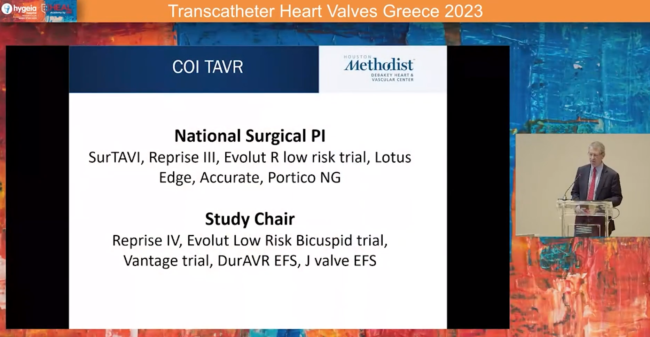
In this recording from the 2023 Transcatheter Heart Valves Greece conference, Dr. Michael J. Reardon, a cardiothoracic surgeon at Methodist DeBaket Heart and Vascular Center, discusses varying confidence in the shift in TAVI guidelines from operative risk to age. Disclaimer The information and views presented on CTSNet.org represent the views of the authors and contributors…
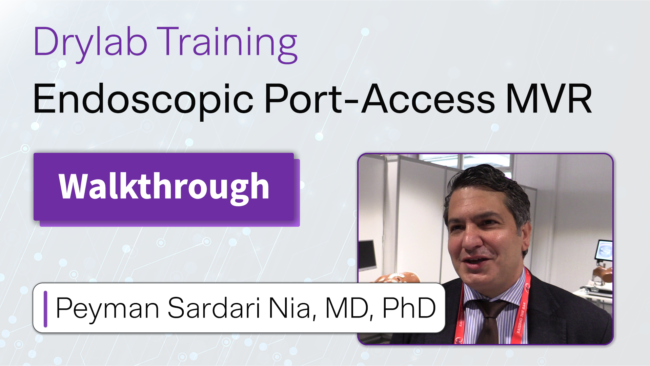
At the 2023 EACTS Annual Meeting, CTSNet Editor in Chief Joel Dunning and CTSNet senior editors set out to interview the most knowledgeable CT surgeons from around the world. Stay tuned for more interviews from the meeting. CTSNet Editor in Chief Joel Dunning spoke with Dr. Peyman Sardari Nia during his port-access mitral valve repair…
This video demonstrates a thoracoscopic left superior segmentectomy. The patient is a fifty-eight-year-old woman with a superior segmental FDG avid lung nodule, concerning for pulmonary malignancy. The use of indocyanine green (ICG) in identifying the intersegmental plane is also demonstrated. There has been recent enthusiasm for the use of limited resection for the management of…