Content from the Journal of the American Neurological Surgeons.
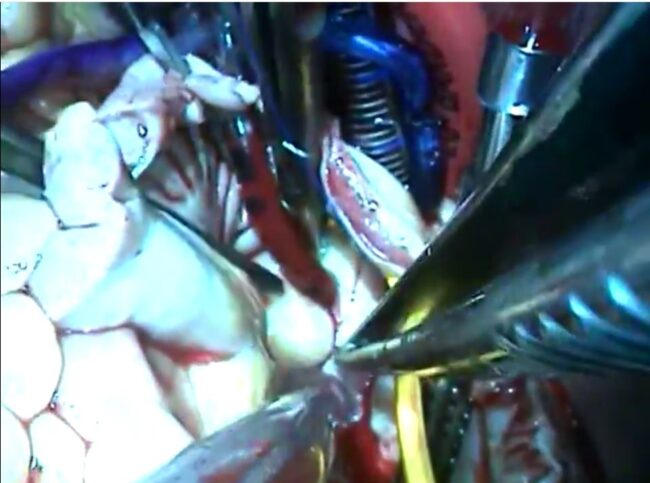
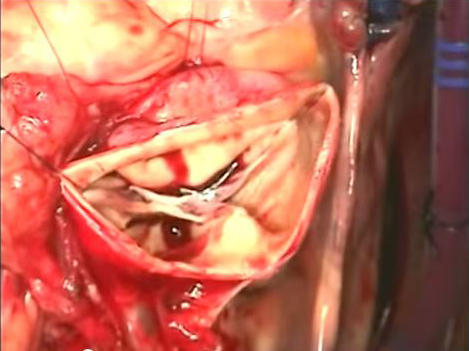
This video presents a summary of the superior septal approach to the mitral valve, and then provides a brief operative demonstration of the exposure technique for the mitral valve. This video is available in the CTSNet China Resource Center for CTSNet users who are unable to view videos due to YouTube restrictions.
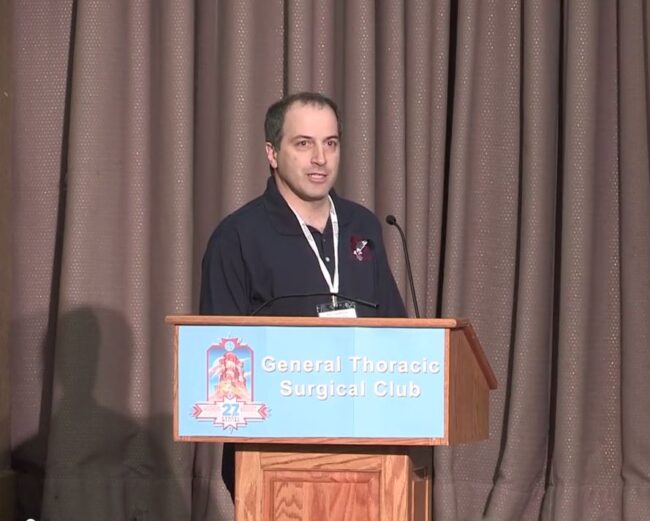
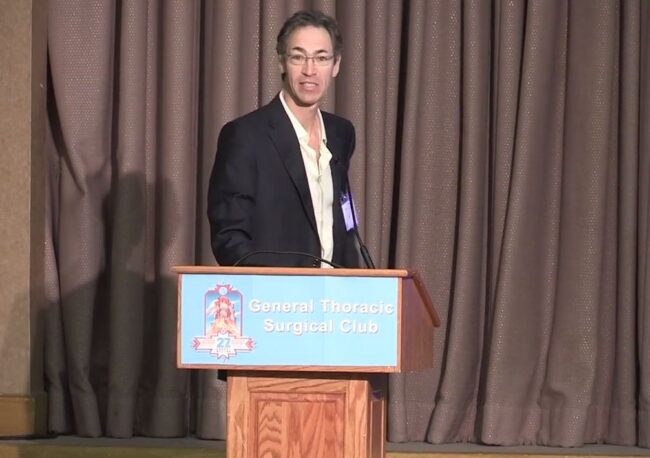
Ara Vaporciyan, Deputy Chair of the Department of Thoracic and Cardiovascular Surgery at the University of Texas M.D. Anderson Cancer Center, discusses new electronic education opportunities that can enhance the training of cardiothoracic surgery residents. This presentation was originally given at the 27th Annual Meeting of the General Thoracic Surgical Club. This content is published…
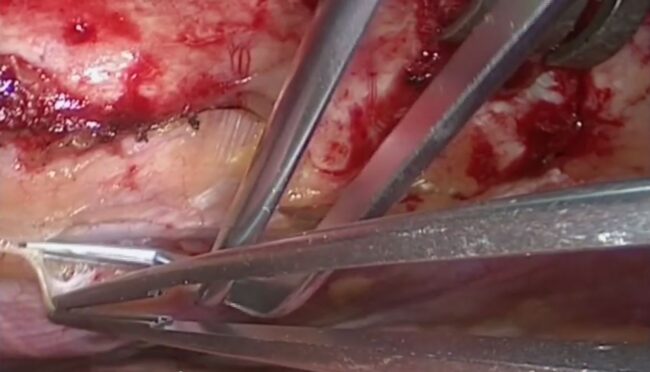
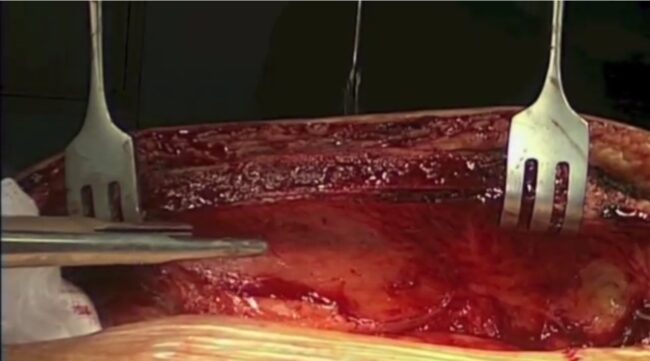
This video demonstrates an ITA cold skeletonization. It was created specifically for cardiothoracic surgery residents, and includes a step-by-step approach to enhance safety and reproducibility. Using this cold skeletonization technique is recommended for patients with risk factors for wound complications or for total arterial revascularization using both ITAs.
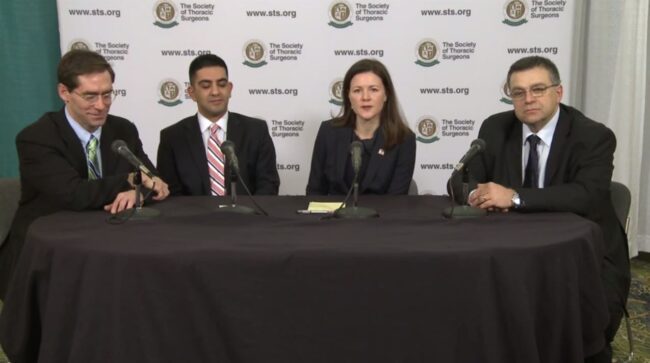
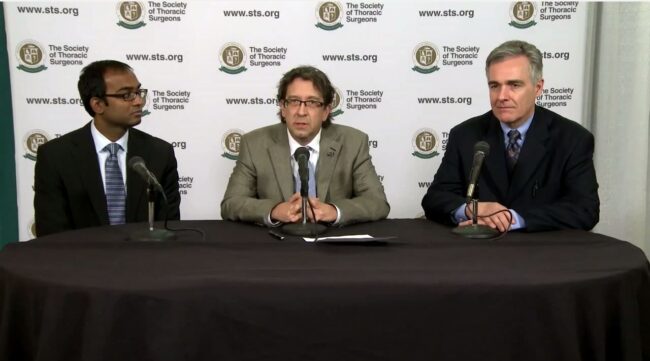
Filmed at the 2014 STS Annual Meeting in Orlando, Florida, this roundtable discussion focuses on lung cancer screening. Shanda Blackmon moderates the discussion with Daniel Boffa, Farhood Farjah, and Gaetano Rocco. The panelists discuss the process of lung cancer screening, including the importance of a multidisciplinary team and continued surveillance. For more information on lung…
Joseph Shrager, Chief of the Stanford Division of Thoracic Surgery, discusses the process of establishing a lung cancer screening program. This presentation was originally given at the 27th Annual Meeting of the General Thoracic Surgical Club. This content is published with the permission of GTSC.
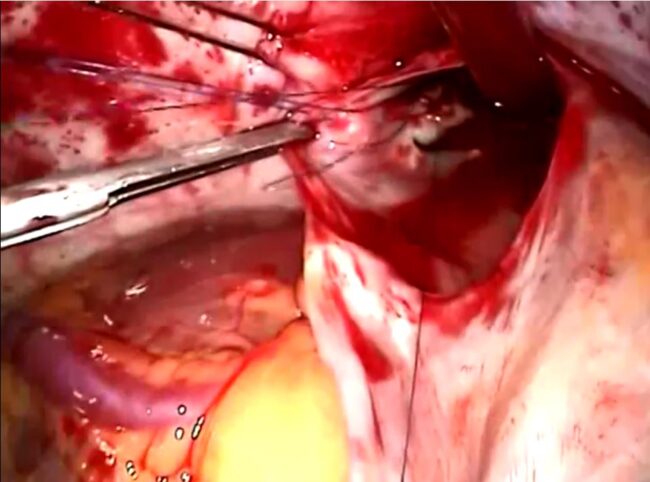
This video illustrates the operative approach used to resect an unusual liver mass located at the cavoatrial junction. Hypothermia circulatory arrest with antegrade cerebral perfusion was used to allow for exposure, resection, and repair.
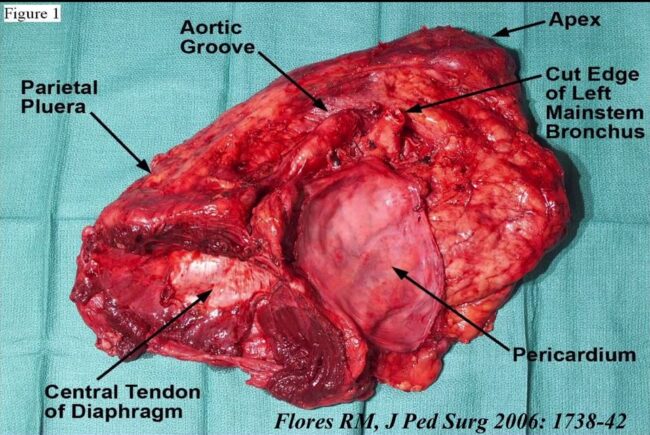
Raja Flores, Professor and Chairman of the Mount Sinai School of Medicine Department of Thoracic Surgery, discusses the use of pleurectomy and decortication in the treatment of mesothelioma. This presentation was originally given at the 27th Annual Meeting of the General Thoracic Surgical Club. This content is published with the permission of GTSC.
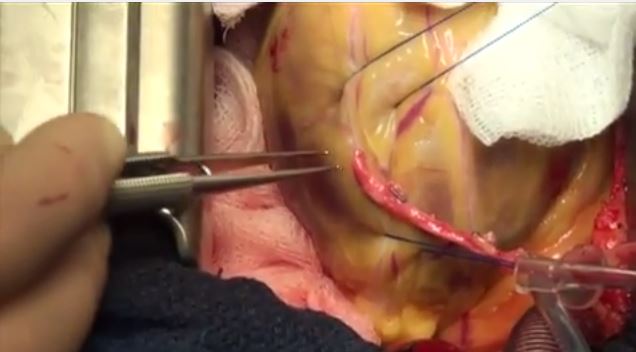
This video is part of a series demonstrating cardiothoracic surgery performed by left-handed surgeons. This video shows a left-handed obtuse marginal distal anastomosis. Only 7-11% of the population is left handed. Surgical trainees who are left-handed are often at a disadvantage when starting their training, as right-handed trainers may have never seen a specific surgery…
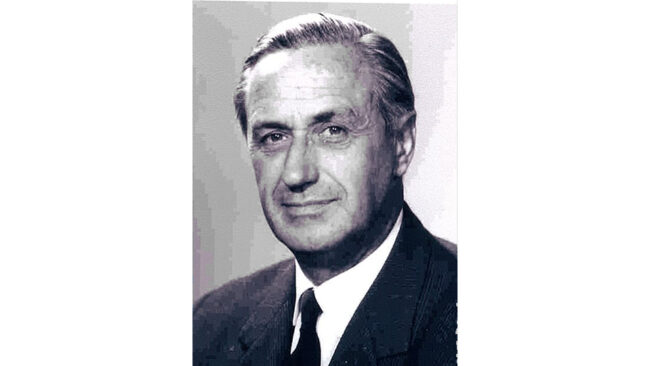
W. Gerald Rainer interviews Gerard Brom on April 21, 1976. This is the sixth interview in the Pioneers in Cardiac Surgery series. Dr. Brom reflects on early cardiac surgery in Europe.
Extraordinary Hearts: A Journey of Cardiac Medicine and the Human Spirit John A. Elefteriades, MD2014 New York, Berkley Books320 pp., ISBN: 9780425271520 Medically related fiction, memoirs, and biographies have the challenge of trying to appeal not just to the general public, which might find the anecdotes and descriptions of medical life exciting and enlightening, but also…
Filmed at the 2014 STS Annual Meeting in Orlando, Florida, this roundtable discussion focuses on mechanical circulatory support. John Kern moderates the discussion with Pavan Atluri and Francis Pagani. The panelists discuss mechanical circulatory support, LVAD therapy, and heart transplantation. The discussion concludes with thoughts on the future of mechanical circulatory support. For more information…
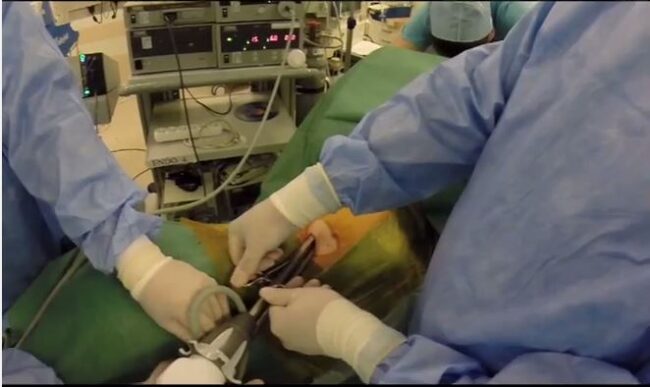
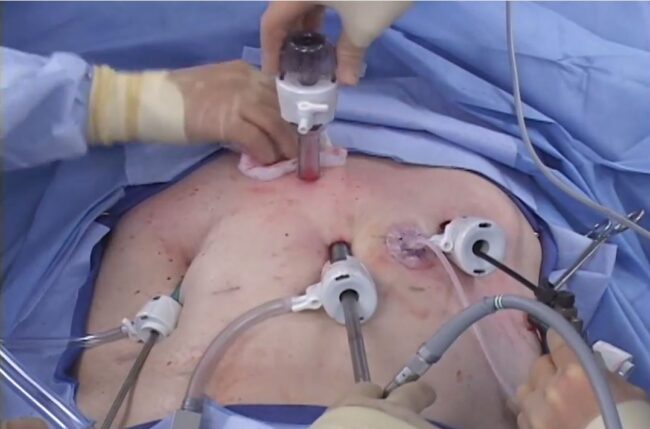
In this video, a single 3.5 cm incision was used for a VATS right upper lobectomy and lymph node dissection for non-small cell carcinoma in a 61-year-old female patient. The incision was only slightly larger than a chest tube insertion incision. This video is available in the CTSNet China Resource Center for CTSNet users who…
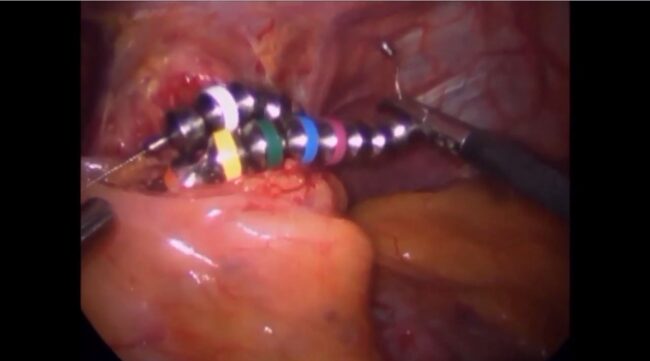
Francis Nichols of the Mayo Clinic discusses use and implantation techniques of a LINX device to manage gastro-esophageal reflux disease (GERD). This presentation was originally given at the 27th Annual Meeting of the General Thoracic Surgical Club. This content is published with the permission of GTSC.
This video demonstrates an ITA harvest for CABG. It was designed specifically for cardiothoracic surgery residents, and includes a step-by-step approach to enhance safety and reproducibility. This video is available in the CTSNet China Resource Center for CTSNet users who are unable to view videos due to YouTube restrictions.
Dawn Jaroszewski, Assistant Professor at the Mayo Clinic (Arizona), discusses the potential advantages of minimally invasive esophagectomy (MIE) over open esophagectomy, and shares the Mayo Clinic’s current method for MIE. This presentation was originally given at the 27th Annual Meeting of the General Thoracic Surgical Club. This content is published with the permission of GTSC.
A step-by-step guide for performing an aortic root replacement with the Freestyle Aortic Root. Safeguards and pitfalls are reviewed.