Content from the Journal of the American Neurological Surgeons.
CTSNet Guest Editor Alan Sihoe, MBBChir, FRCSEd, FCSHK, FHKAM, discusses his series, “Segmentectomy for Lung Cancer” alongside four other esteemed thoracic surgery colleagues. Serving as webinar moderator, Dr. Sihoe invited his peers to discuss and address the guest editor videos, specialty insights, and viewer questions. The talk took place live on August 12, 2022. Dr.…
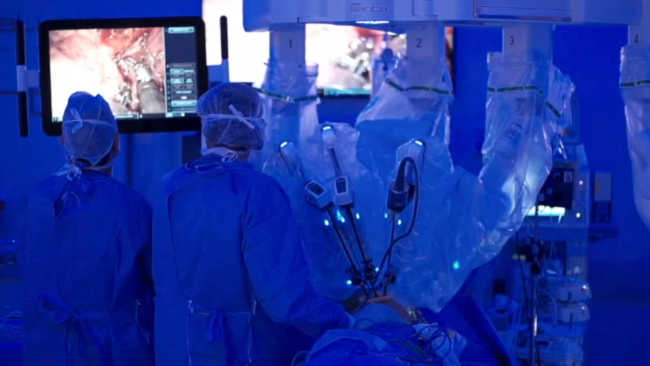
This video displays a uniportal robotic-assisted thoracic surgery (URATS) left upper sleeve lobectomy for a carcinoid tumor (live surgery from Brasilia, Brazil, on July 14, 2022). The tumor was in the left upper lobe with both an extension into the left upper lobe bronchus and also reaching the left main bronchus. An URATS LUL sleeve…
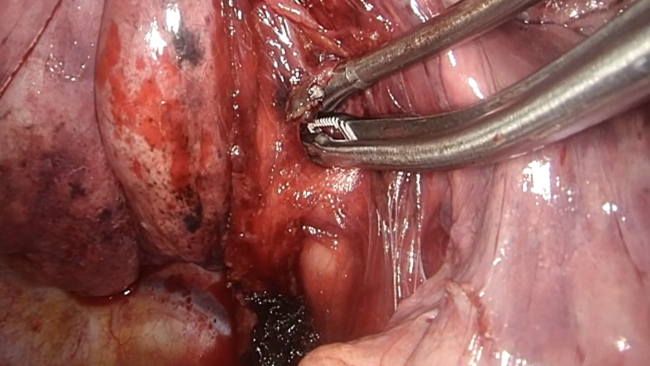
Anatomic lung resection is the gold standard procedure for the treatment of primary non-small cell lung cancer (1). The division of the interlobar fissure may represent a critical step when performing lower lobectomies. The presence of an incomplete or partially incomplete fissure may result in a prolonged dissection of the parenchyma. The identification of the…
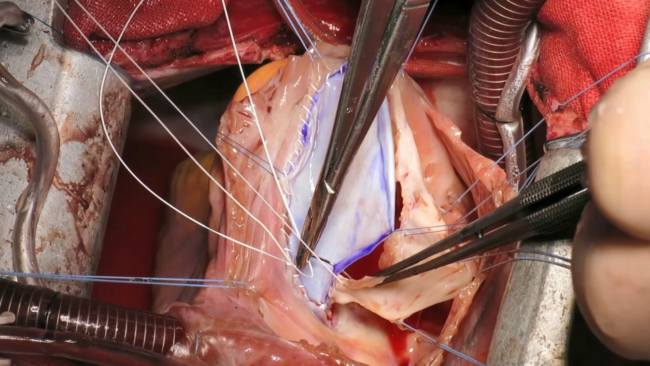
Tricuspid valve leaflet augmentation has been introduced and widely used to overcome the malcoaptation of the tricuspid valve leaflets (1). Many centers have substituted this technique with the recently introduced and more physiologic procedure of “papillary muscle cross control” (2) in patients where malcoaptation is caused by pure tethering leaflets. However, the augmentation technique is…
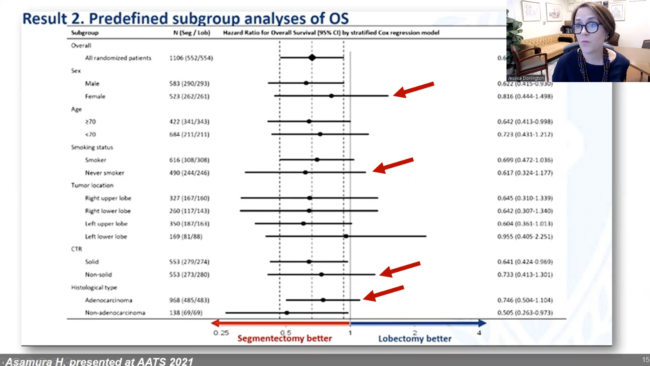
The use of elective segmentectomy for medically fit patients has been a source of controversy for the past forty years. The 1995 Lung Cancer Study Group’s (LCSG) randomized trial solidified lobectomy as the standard of care in early stage non-small cell lung cancer (NSCLC). It was a well-conceived and executed trial, but its results now…
A sixty-year-old woman underwent a chest computerized tomography (CT) scan during the timeframe of a flu frame and a suspected COVID-19 infection. From the CT scan, a pulmonary nodule in the left lower lobe was identified. Following resolution of the infection, the patient repeated a new CT within a three-month time interval. The patient displayed…
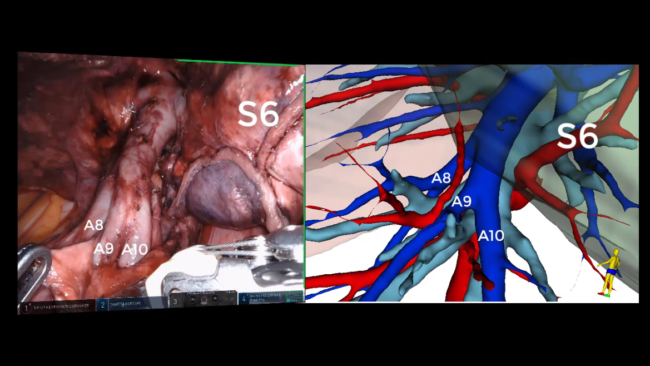
A segmentectomy is typically defined as a sublobar anatomic resection containing one segment or a group of segments. The treatment takes an individual approach of the artery, vein, and bronchus. This video presents the new uniportal pure robotic-assisted thoracic surgery (U-RATS) approach for a bisegmental resection of S9-S10 on the left side. The S9-S10 bisegmentectomy…
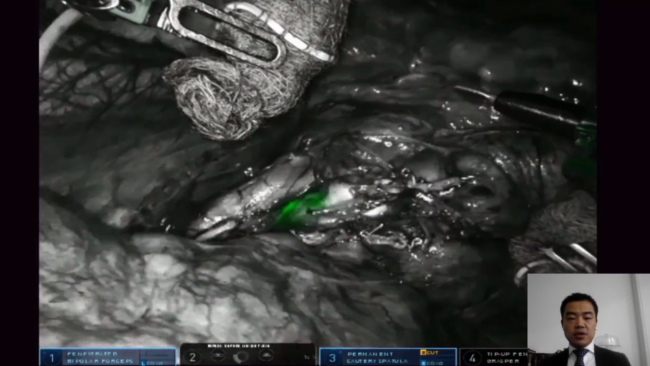
This video addresses a segmental anatomy operation, which is a key point in segmentectomies performed via video-assisted thoracoscopic surgery (VATS) or robotic-assisted thoracoscopic surgery (RATS). In this case, the anatomical variations of the segmental bronchovascular pedicles were highly variable. Cases of limited vision are often present in the fields of video-assisted and robotics surgery; this…
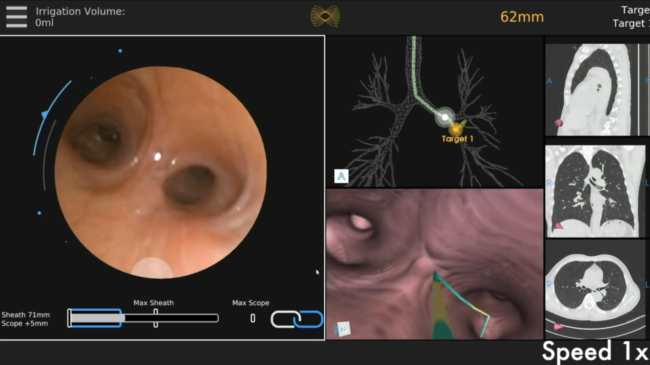
Peripherally located lung nodules are becoming an increasingly common problem faced by thoracic surgeons because of the rising number of computed tomography scans being performed. With this shift, more suspicious ground-glass opacities (GGO) and suspected early stage adenocarcinomas are being identified and require treatment. But accurate intraoperative localization of these lesions remains a challenge. Along…
Four decades ago, the very first patients were enrolled into the Lung Cancer Study Group. It was a randomized, controlled trial that compared lobectomy to limited resection for biopsy-proven T1N0 non-small cell lung cancer (NSCLC). The results of this study were published in 1995. They demonstrated a three-fold increase in loco-regional recurrence and a 30…
In the newest entry into the CTSNet Guest Editor Series, “Segmentectomy for Lung Cancer,” CTSNet is happy to feature Alan D. L. Sihoe, MBBChir, FRCSEd, FCSHK, FHKAM. A world-renowned thoracic specialist, Dr. Sihoe has brought together a set of informative videos to share unique insights regarding segmentectomy procedures in the treatment of lung cancer cases to…
Dr. Alan Sihoe is a thoracic surgeon who has been practicing in Hong Kong for more than twenty years. He was clinical associate professor of the Department of Surgery at the University of Hong Kong and chief of thoracic surgery at the University of Hong Kong Shenzhen Hospital before he moved to private practice in…
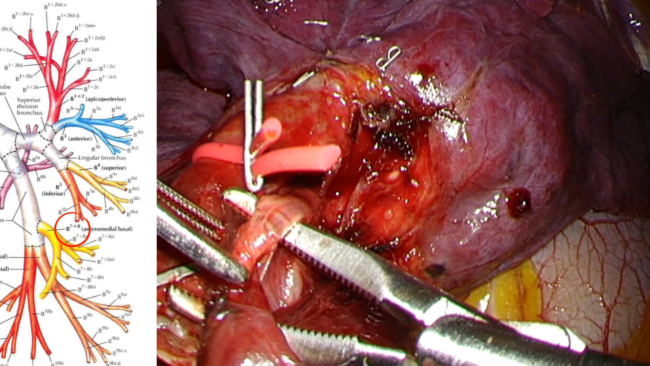
Robotic-assisted thoracic surgery (RATS) is rapidly expanding, and new challenges should be continuously proposed regarding this technology. In effect, the community should further seek to understand both its strengths and limits, and consequently, offer better treatment to patients. Patient and Procedure This was the case of a uniportal robotic-assisted thoracic surgery (RATS) left upper trisegmentectomy…
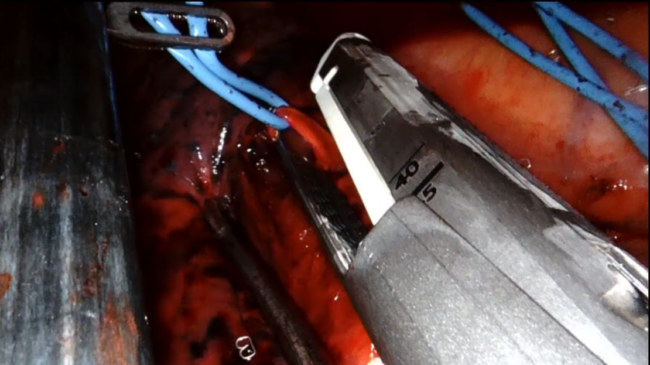
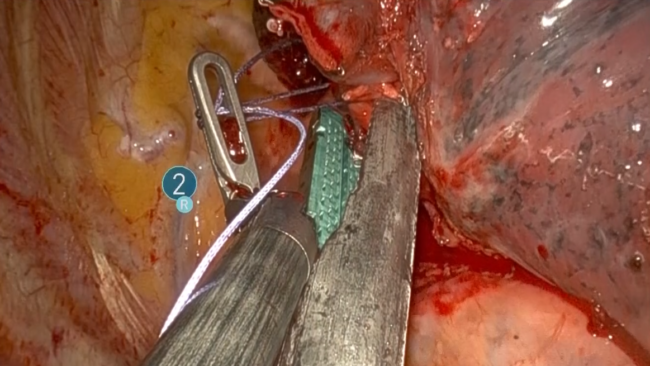
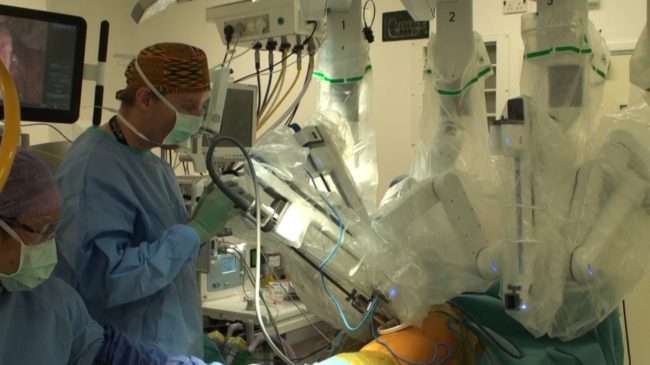
This video documents the first uniportal robotic lobectomy conducted by the registrar of this video’s author. The video shows the incision, how the arms are placed in the chest, and how the team performed the operation. The method in which the operation was performed included the use of the Sureform 45 stapler. The registrar found…
Minimally invasive mitral valve surgery in patients with prior sternotomies is safe and effective in resolving the mitral pathology; this is true for both repairs and replacements (1). Cases of prior valvular surgery tend to be more straightforward when addressing myocardial protection and are typically amenable to cardioplegic arrest. Furthermore, cases of prior coronary bypass…
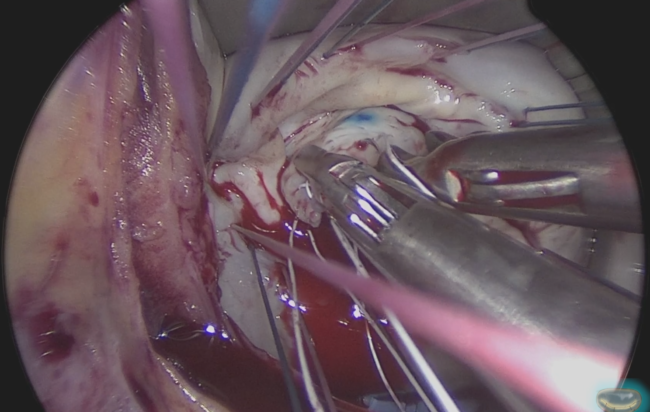
Summary This video demonstrates the technique associated with the recipient cardiectomy procedure using the bicaval technique originally described by Sievers et al. in 1991. Donor selection, donor cardiectomy, recipient preoperative preparation, and recipient preoperative timing are beyond the scope of this instructional video. Cardiopulmonary bypass (CBP) was established through bicaval cannulation. In this case, metal…