Content from the Journal of the American Neurological Surgeons.
Bil Kirmani of the Liverpool Heart and Chest Hospital in the UK compares minimally invasive and open surgical approaches for aortic valve replacement. He presents a review comparing full to limited sternotomy and discusses the available data on anterior right minithoracotomy. This presentation was originally given during the SCTS Ionescu University program at the 2018…
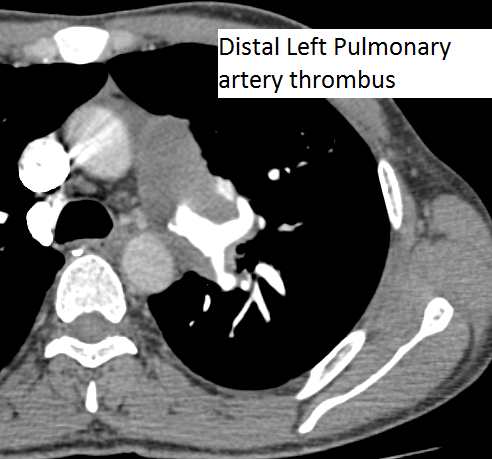
Introduction Figure 1. Preoperative chest CT scan. Chronic thromboembolic pulmonary hypertension (CTEPH) is caused by proximal pulmonary artery thromboembolic occlusion or obstruction. Patients present with shortness of breath, early fatigue, and decreased exercise capacity. Once the obstruction sets in, it is accompanied by remodeling of the branches of the pulmonary artery. This causes pulmonary artery hypertension…
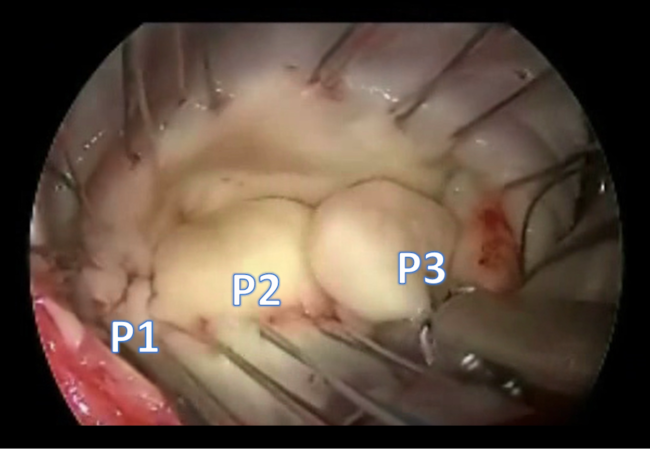
In this video, the authors present a novel technique for the correction of mitral regurgitation associated with degenerative disease of the posterior leaflet, called posterior leaflet remodeling or free margin running suture. This technique has been developed in the setting of minimally invasive surgery, although it can be employed through sternotomy. In the first procedure…
Om P Yadava and Paul Sergeant discuss the relevance of tacit versus codified learning in medicine and the basic tenets of mentoring. Professor Paul Sergeant from Leuven, Belgium, deliberates on learning techniques and differentiates between tacit learning and codified learning. He laments that proctoring has become more of a social visit with a view to…
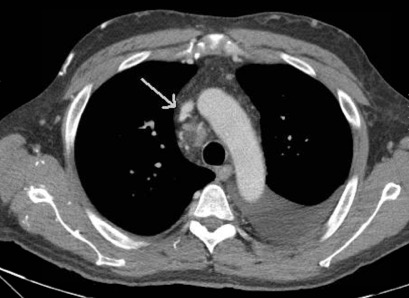
Introduction Chylothorax is a rare but potentially morbid complication following thoracic surgery. Nontraumatic chylothorax is even less common and typically is due to malignancy, congenital or idiopathic disorders of the lymphatic system, systemic diseases, and infection [1]. Here, the authors present a case of nontraumatic chylothorax due to central venous stenosis. Case Presentation Figure 1. Oblique…
Filmed at the 2018 STS Annual Meeting in Fort Lauderdale, Florida, Tsuyoshi Kaneko of the Brigham and Women’s Hospital in Boston, Massachusetts, moderates a discussion on the future of transcatheter mitral valve repair and replacement. Dr Kaneko is joined by Wilson Szeto of the University of Pennsylvania in Philadelphia, Michael J. Mack of the Baylor…
Lars G. Svensson of the Cleveland Clinic in Ohio, USA, discusses Barlow’s mitral valve disease. He reviews the definition of Barlow’s valve, discusses the Cleveland Clinic experience with mitral valve surgery, and presents different strategies to repairing these valves. This presentation was originally given during the SCTS Ionescu University program at the 2018 Annual Meeting…
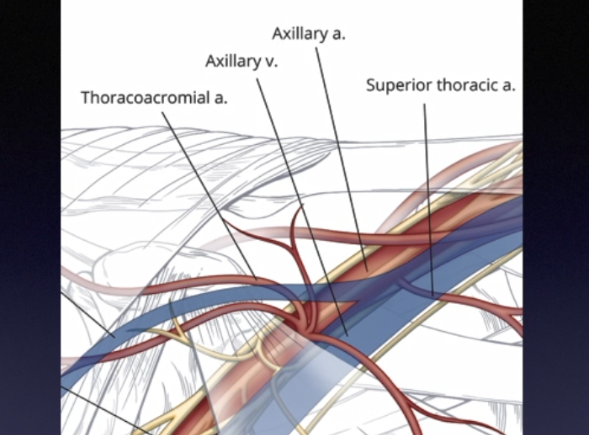
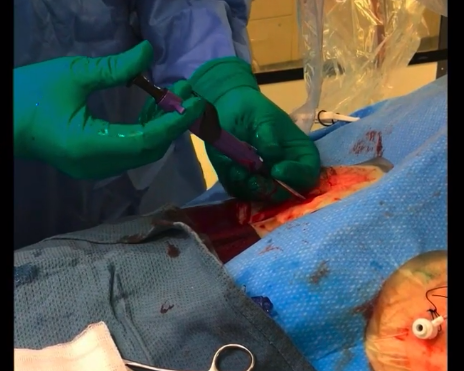
The authors review axillary artery cannulation indications and technique. They focus on the relevant anatomy, surgical preparation, and cannulation technique. They also show their approach for reoperative axillary artery cannulation and discuss potential complications and pitfalls. > This video is part of the Cardiac Surgery Essentials Series, brought together by CTSNet Guest Editor Dr Tsuyoshi…
Perclose ProGlide® suture mediated closure is a common technique for the percutaneous delivery of a suture for closing the common femoral artery access site at the conclusion of transcatheter interventions. This technique is considered a basic skill for performing transcatheter procedures, and it is one of the must-learn skills for graduating cardiac surgery residents. In…
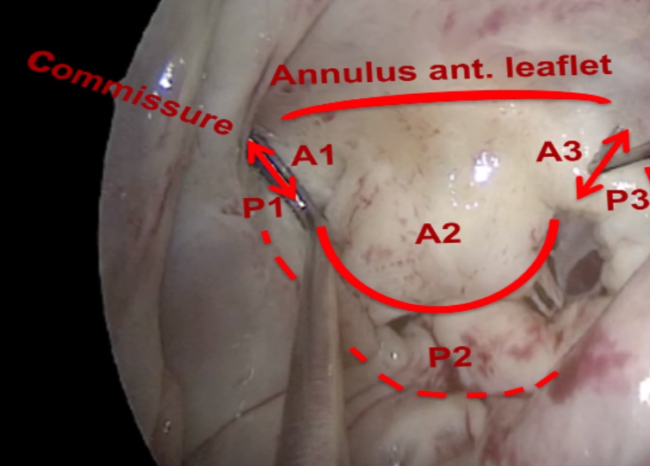
A vital component of successful mitral valve repair surgery is accurate sizing of the mitral annuloplasty ring or band. In this video, several methods of mitral annular sizing are discussed. Prebypass measurement of the anterior mitral leaflet (AML) length via transesophageal echocardiography can be used to estimate the annular size. During direct visualization of the…
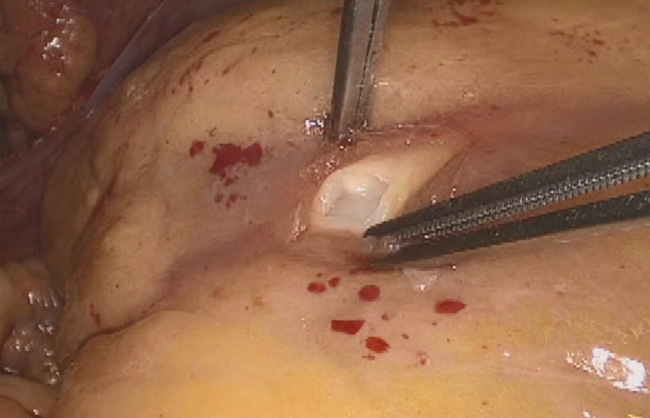
Coronary arteriotomy is utilized for coronary artery bypass grafting or, less frequently, coronary endarterectomy. The site of the arteriotomy is primarily dictated by the location of the stenotic or occlusive lesion, which can be determined by preoperative imaging in conjunction with manual intraoperative palpation. In general, ideal arteriotomy sites are distal to the stenosis or…
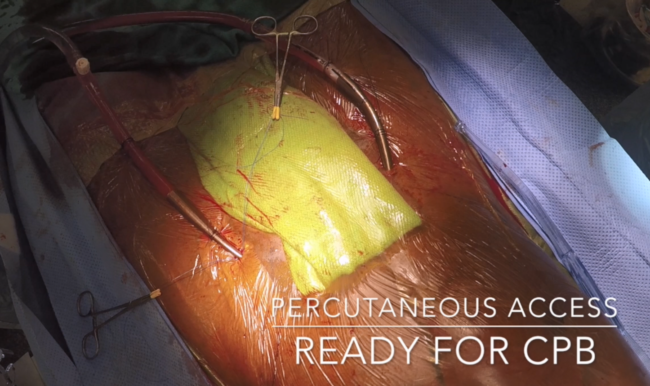
This video demonstrates a step-by-step technique for percutaneous and open femoral cannulation for peripheral cardiopulmonary bypass. Femoral cannulation is the authors’ preferred platform for cardiopulmonary bypass when performing minimally invasive cardiac operations. The authors hope to highlight useful tips and methods to avoid common pitfalls for others who are interested in adding these methods to…
In this video, the authors present a diaphragmatic plication. Diaphragm paralysis can have a wide variety of causes such as trauma, malignant pathologies, or infectious diseases. Sometimes it can be idiopathic. Usually, the patient presents with dyspnea, thoracic pain, and persistent dry cough. The investigations performed range from chest x-rays and computed tomography (CT) scans…
This video shows the basic technique of skeletonized left internal mammary artery (LIMA) harvesting. Skeletonization is an advanced technique of graft harvesting for coronary artery bypass grafting (CABG), and while it requires meticulous attention, it has many advantages. For example, skeletonization of the IMA can minimize sternal ischemia and lower the risk of mediastinitis, and…
For this cardiac-focused CTSNet Guest Editor Series, Cardiac Surgery Essentials, we asked Dr Tsuyoshi Kaneko of Brigham and Women’s Hospital to bring together videos from experts highlighting techniques that are foundational for cardiac procedures but that are often glossed over when demonstrating a full operation. Dear CTSNet Reader, This new series, Cardiac Surgery Essentials, focuses…
This video depicts the repair of an extremely rare congenital heart defect known as cor triatriatum dexter. In this condition, the right valve of the sinus venosus fails to involute and effectively separates the smooth and trabeculated portions of the right atrium. The degree of separation (ie, right atrial septation) will determine if the patient…