Content from the Journal of the American Neurological Surgeons.
Filmed at the 2017 STS Annual Meeting in Houston, Texas, Joel Dunning of the James Cook University Hospital in Middlesborough, UK, interviews Betty Tong of Duke University Medical Center in Durham, North Carolina, about her path to cardiothoracic surgery. They discuss how she chose to pursue medicine over engineering and thoracic surgery over otolaryngology, and why…
In this interview, O. P. Yadava of the National Heart Institute in New Delhi, India, and Massimo Lemma of the Jilin Heart Hospital in Changchun, China, discuss surgical myocardial revascularization. Dr Lemma stresses the importance of total arterial myocardial revascularization, commenting that both internal mammary arteries have equivalent patency rates and that the next best…
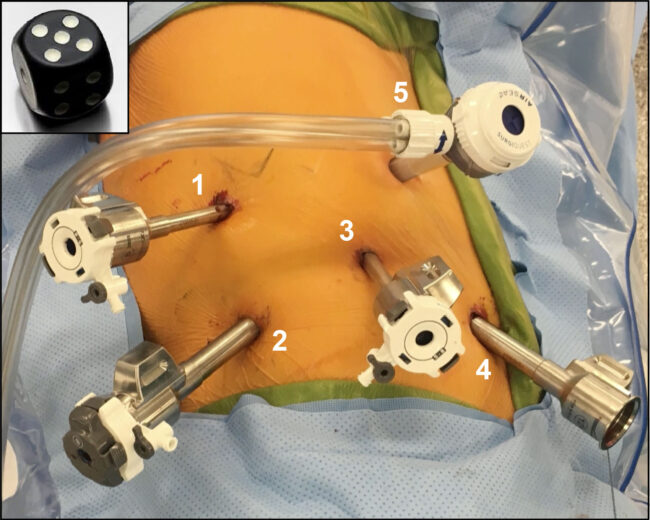
This video demonstrates the case of a 54-year-old woman with a 3.5 cm hilar mass abutting the main pulmonary artery, and located between the posterior ascending and superior segmental arteries. “Five-on-a-dice” refers to the appearance of the port placement of the four robot ports (labeled 1 – 4) and the assistant port (labeled 5). The…
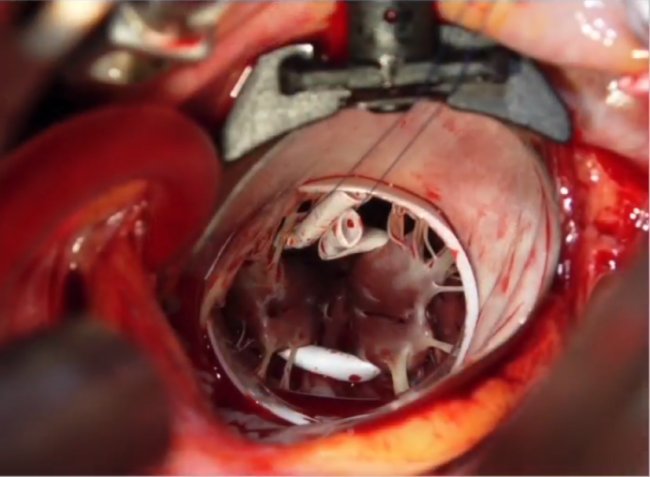
Joseph Lamelas of the Texas Heart Institute in Houston discusses different surgical techniques to address ventricular dysfunction in functional mitral regurgitation. He presents video of his prefered technique, termed “Ring & Sling,” in which a graft draws the papillary muscles together. This presentation was originally given during the SCTS Ionescu University program at the 2017…
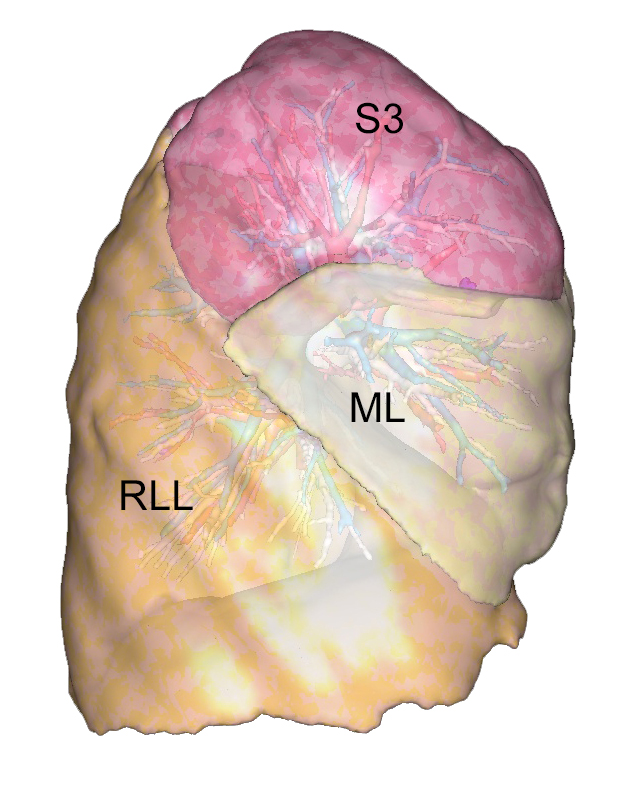
S2 and S1+2 segmentectomies are frequently indicated, as the location of a tumor or a nodule in S2 or at the border between S2 and S1 is not unusual. Preserving S3 rather than performing an upper lobectomy has two advantages: it spares respiratory function, and S3 is a large segment that occupies the pleural cavity and…
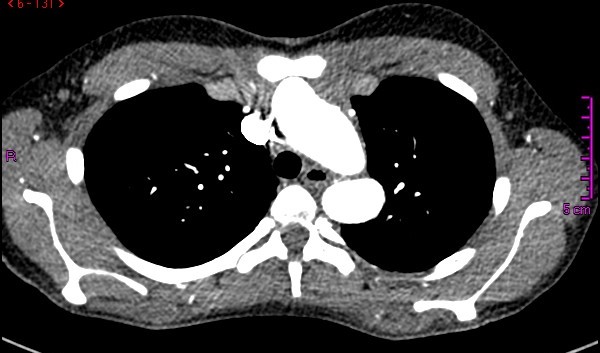
The authors present a successful surgical treatment in a 14-year-old girl with Loeys-Dietz syndrome; a redo aortic arch and ascending aorta replacement with a valve-sparing operation was performed. Special considerations were taken, and a well-established surgical plan was designed to reduce risk and improve outcomes in this complex aortic redo operation. Case Report Figure 1. Cross-sectional…
Filmed at the 2016 EACTS Annual Meeting in Barcelona, Spain, Leanne Harling of Imperial College in London, UK, moderates a discussion on the role of surgical therapy for N2 lung cancer. Doug Mathisen of Massachusettes General Hospital in Boston, Massachusetts, and Erino Rendina of the University La Sapienza in Rome, Italy, share and debate their…
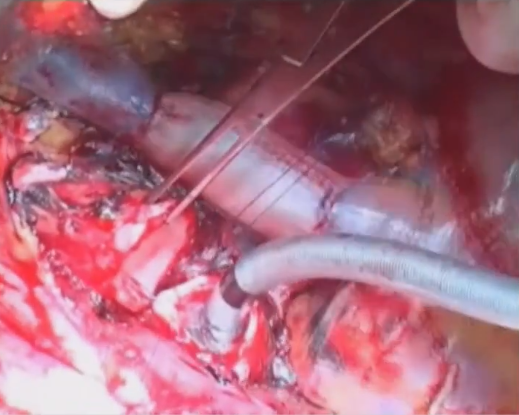
Federico Venuta of the Sapienza University of Rome in Italy discusses surgical reconstruction techniques following resection of T4 lung cancer tumors. He focuses on surgical approaches for tumors that invade the atrium, the carina, and several of the great vessels including the aorta. This presentation was originally given during the SCTS Ionescu University program at…
Dr Ogadinma Mgbajah is a consultant cardiothoracic surgeon at Lagos State University Teaching Hospital (LASUTH) in Ikeja, Lagos, Nigeria, and the first woman cardiothoracic surgeon in West Africa. Dr Mgbajah earned her MBBS at the University of Ibadan in Nigeria. Following this, she interned at University College Hospital Ibadan. Dr Mgbajah completed her residency training…
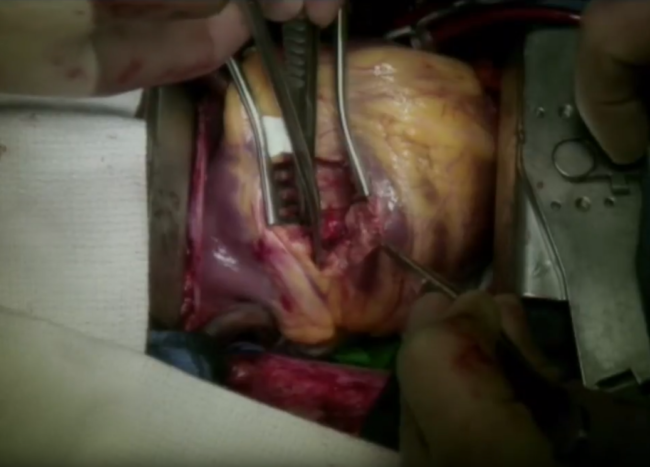
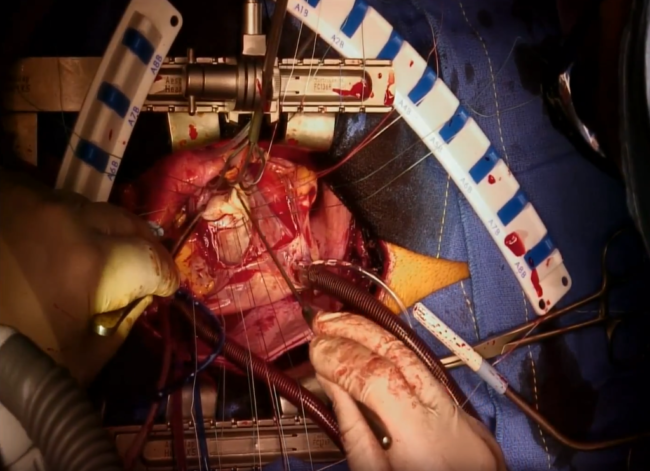
The purpose of this video is to provide cardiac surgeons in training institutions with some helpful hints on teaching their residents how to repair a postinfarction ventricular septal defect. Even though the patients presenting with this pathology are usually sick, the operation can be taught safely to the surgeon in training provided that there are…
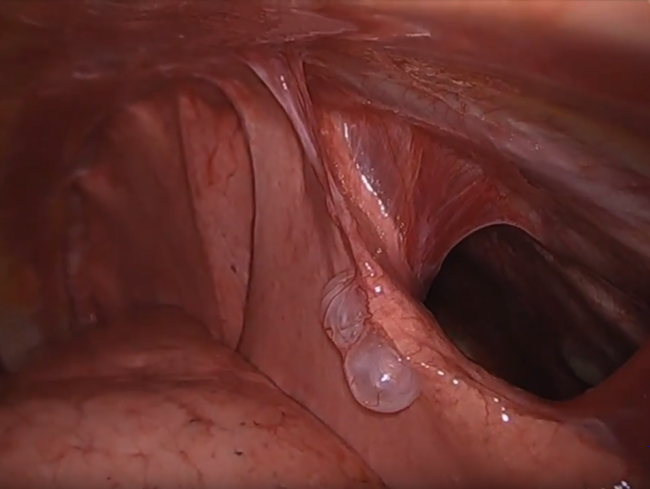
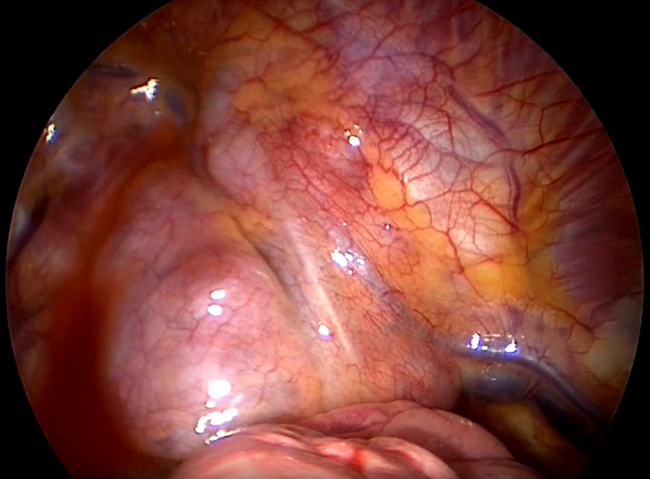
In this video, the authors demonstrate the use of video-assisted thoracoscopic surgery (VATS) in the treatment of catamenial pneumothorax in a patient with significant diaphragmatic eventration. Thoracic endometriosis remains the most common extrapelvic location for endometrial implants, with catamenial pneumothorax occurring in 75% of thoracic endometriosis patients.1 These patients have recurrent pneumothoraxes, defined as occurring…
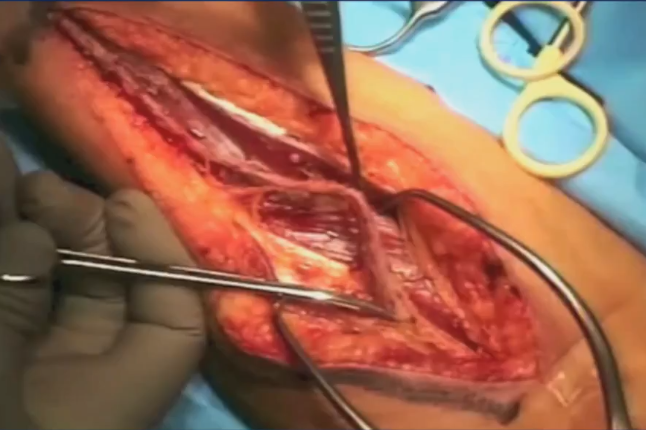
James Tatoulis of the Royal Melbourne Hospital in Australia presents the case for choosing the radial artery (RA) as a second or third graft in coronary artery bypass surgery. He discusses the benefits of RAs over saphenous veins and highlights technical considerations for optimal success with RA grafts. This presentation was originally given during the…
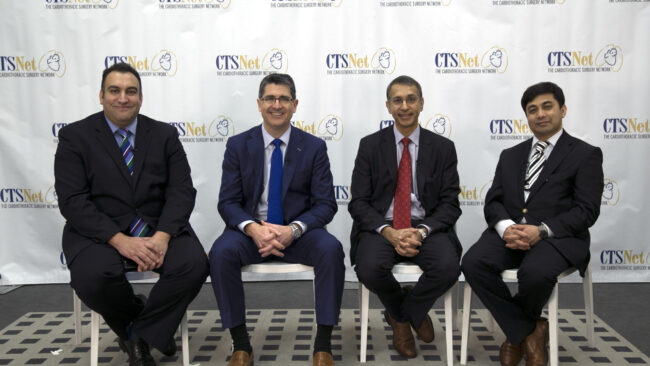
Mohamad Bashir of Barts Heart Centre in London, UK, moderates a discussion on the use of sutureless aortic valves in patients with bicuspid valve anatomy, which was filmed at the 2017 STS Annual Meeting in Houston, Texas. Dr Bashir is joined by Eric Roselli of the Cleveland Clinic Foundation in Ohio, US, Vinod Thourani of…
A 29-year-old male with a known history of Marfan syndrome was referred to the authors’ institute for surgical assessment. Physical examination showed a severe symmetric pectus excavatum, with a Haller Index of 7.8. Preoperative workup included a transesophageal echocardiography that revealed severe mitral valve regurgitation due to bileaflet mitral valve prolapse and a 5 cm…
A 31-year-old woman was referred for investigation of mediastinal lymphadenopathy. A large right-sided paratracheal mass of lymph nodes was identified. Possible approaches included the mediastinoscopy via a cervical incision, right video-assisted thoracic surgery (VATS), or even a subxiphoid approach. Of course, open approaches might also be considered by some surgeons. A very straightforward approach is…
Monday, November 15, 2021 By Mark Gerdisch , Christian Shults, Armin Kiankhooy, Eric Okum, Marc La Meir, Patrick McCarthy, Laurie Barron, Gianluigi Bisleri, Niv Ad, Ralph J. Damiano Jr., M.D PROGRAM OBJECTIVES This activity is designed for cardiac surgeons in the United States. Upon completion of this course, participants will be able to learn the…