Content from the Journal of the American Neurological Surgeons.
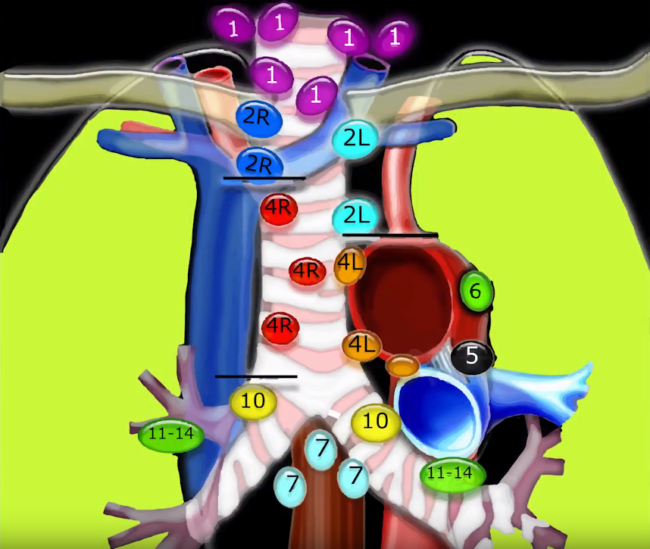
General thoracic surgeons are faced with challenges thrown at them from time to time. This video demonstrates accessing multiple nodal stations, including a contralateral nodal station. Meticulous study of the computed tomography (CT) scan suggested that the 4L left nodal station was, in fact, not far away from the midline, and an access from a…
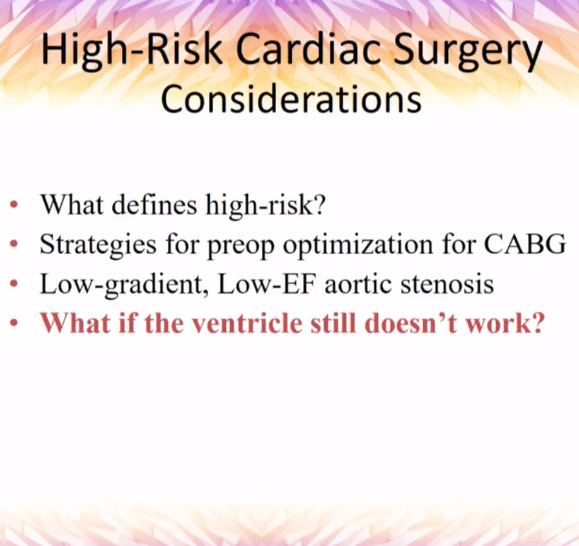
Marc Moon of the Washington University School of Medicine in St Louis, Missouri, discusses the factors that define high risk for a cardiac surgery patient, and he reviews preoperative strategies that surgeons can employ to prepare such patients for optimal outcomes. This presentation was originally given during the SCTS Ionescu University program at the 2017…
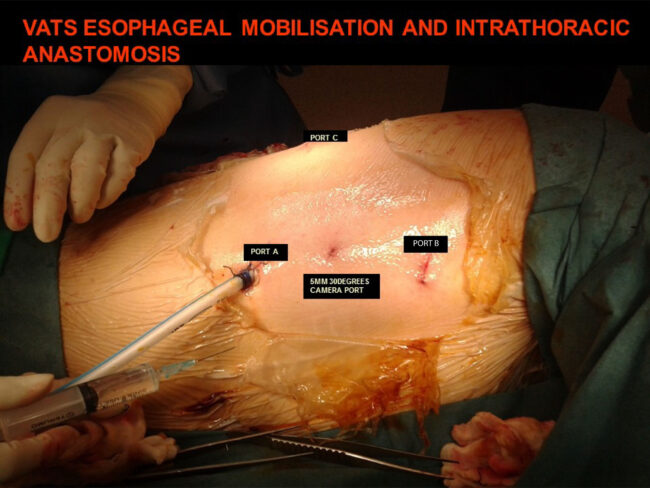
Introduction Totally endoscopic two-stage (laparoscopic and VATS) esophagectomy for carcinoma of the lower third esophagus is a well-established procedure [1, 2]. There are currently many methods to perform an intrathoracic esophagogastric anastomosis by video-assisted thoracoscopic surgery (VATS) [3]. The technique described here is an extension of the technique used by T. Agasthian for VATS right…
Surgery of the thoracic aorta is a great challenge for cardiovascular surgeons. Refined surgical techniques and organ protection methods allow complex diseases of the thoracic aorta to be treated with favorable results. In this setting, a thorough assessment of the aortic anatomy and a patient’s comorbidities is mandatory to adequately decide upon the extent of…
In this discussion filmed at the 2017 STS Annual Meeting in Houston, Texas, two surgeons talk about their experiences using sutureless aortic valves. Dr Tom C. Nguyen of the University of Texas in Houston is joined by Dr Patrick McCarthy of Northwestern Memorial Hospital in Chicago, Illinois, and Dr Borut Gersak of the Ljubljana University Medical…
The recently-formed group Enhanced Recovery After Cardiac Surgery (ERACS) held its inaugural symposium on April 29, 2017. The session, which took place in Boston, MA, was called “ERACS: Best Practices, Cost-Effective Initiative.” It featured a consortium of forward-thinking leaders in cardiac surgery, who joined together to address the need to standardize best practices in cardiac surgery.…
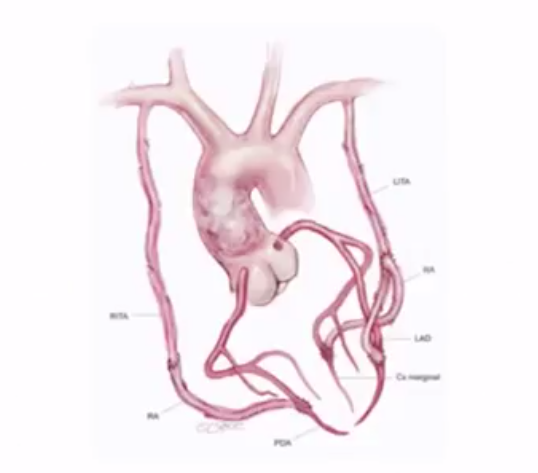
John Puskas of the Icahn School of Medicine at Mount Sinai in New York, United States, discusses the evidence for using arterial grafts in coronary bypass surgery. He explores the reasons why overall usage of arterial grafts remains low. This presentation was originally given during the SCTS Ionescu University program at the 2016 Annual Meeting…
Robot-assisted thoracoscopic lobectomy is a feasible procedure, based on the authors’ previous experience. Their hospital has carried out robot-assisted thoracic surgery since May 2015, and accomplished over 400 cases of thoracic surgery through June 2017. This includes, but is not limited to, benign and malignant lung tumors, benign and malignant esophageal disease, mediastinal masses, and…
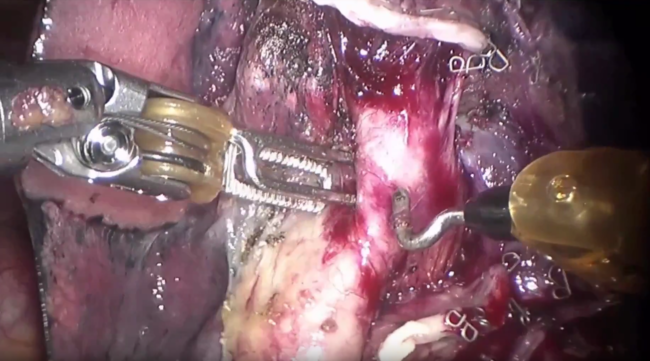
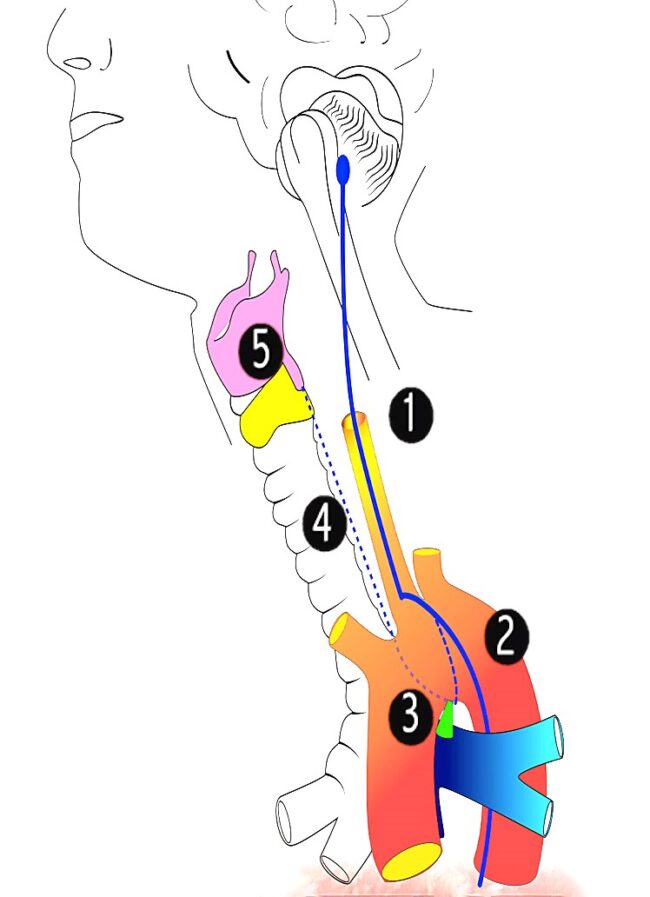
IntroductionMany thoracic surgeons are terrified to come anywhere near the recurrent laryngeal nerve (RLN), especially on the left side. The reason for this fear is the dreaded complication of damaging the nerve and causing loss of voice, among other serious complications. RLN palsy ranks among the leading reasons for medicolegal litigation of surgeons because of…
The posterior segment of the right upper lobe lends itself to a straightforward anatomic resection. Understanding the anatomy is key, and the authors present two cases that illustrate a stepwise approach. The general steps of a posterior segmentectomy of the right upper lobe: Perform a bronchoscopy prior to the procedure to understand the segmental anatomy,…
Dr Peyman Sardari Nia is a Senior Consultant Cardiothoracic Surgeon in the department of cardiothoracic surgery at Maastricht University Medical Center, the Netherlands, where he specializes in minimally invasive cardiothoracic surgery. Dr Sardari Nia earned his MD and his PhD from University Antwerp, Belgium, and underwent residency training in general surgery in the same city.…
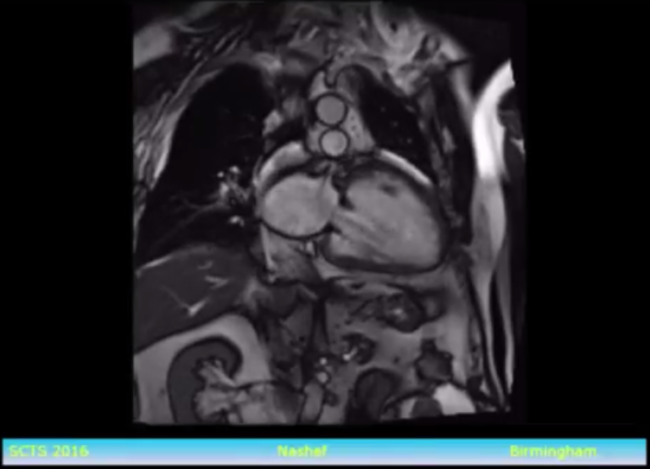
Samer Nashef of Papworth Hospital, Cambridge, UK, discusses the indications for surgical treatment of atrial fibrillation and explores the reasons for a wide variation in practice. He gives preliminary findings from a UK trial. This presentation was originally given during the SCTS Ionescu University program at the 2016 Annual Meeting of the Society for Cardiothoracic…
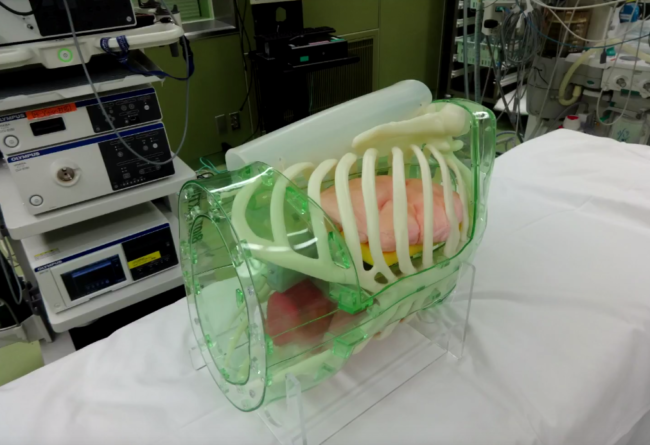
BackgroundA life-sized chest model with a lifelike texture was developed to simulate thoracoscopic surgery. Video-assisted thoracoscopic surgery (VATS) for right lower lobectomy was performed using the model. MaterialsThis novel model was developed using a computed tomography (CT) data obtained from a healthy Japanese man. A mold of the chest organs was created by three-dimensional printing,…
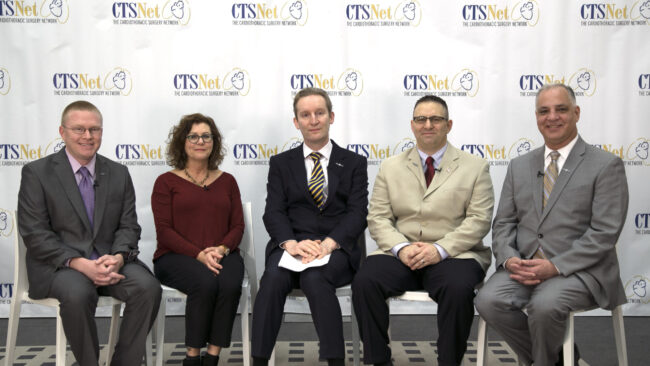
In a discussion filmed at the 2017 STS Annual Meeting in Houston, Texas, four allied health professionals considers the new STS protocol for the management of cardiac arrest after cardiac surgery, an expert consensus statement that was published in January 2017. Joel Dunning of James Cook University Hospital in Middlesbrough, United Kingdom, is joined by…
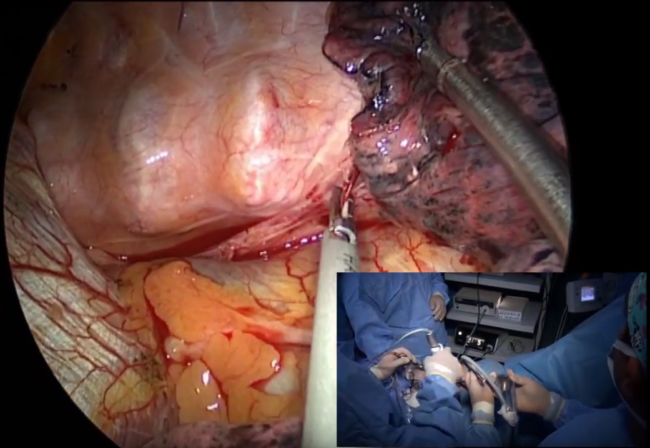
Uniportal VATS resection, done through a single port, adds advantages over multiport VATS approaches regarding pain and cosmesis, yet some surgeons do not adopt it as they fear difficulty manipulating multiple instruments in the same port with the camera. The authors present a case of right lower lobe lobectomy for adenocarcinoma with a step-by-step approach,…
Christopher Blauth of Guy’s and St Thomas’ Hospital in London, UK, gives a brief overview of results from the Convergent Procedure, a hybrid minimally invasive approach to treat lone atrial fibrilation using the nContact/AtriCure device. This presentation was originally given during the SCTS Ionescu University program at the 2016 Annual Meeting of the Society for…