Content from the Journal of the American Neurological Surgeons.
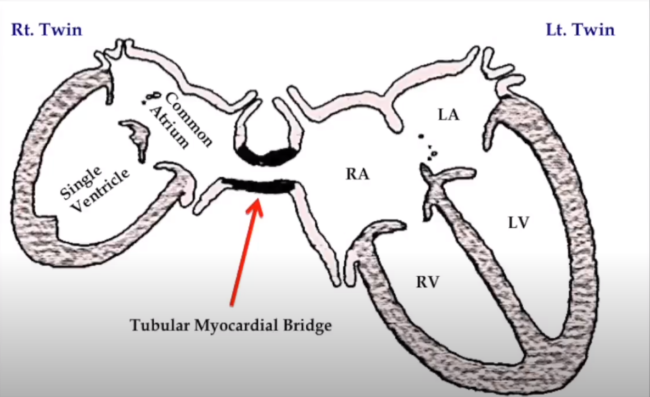
Introduction Eight hours after the delivery of thoracopagus twins, the right twin developed circulatory failure forcing an emergency separation to save the left twin. The twins had conjoined livers and conjoined hearts in a common pericardial cavity, and they appeared to have no ventricular-level fusion. Procedure Surgery was performed on the second day of life…
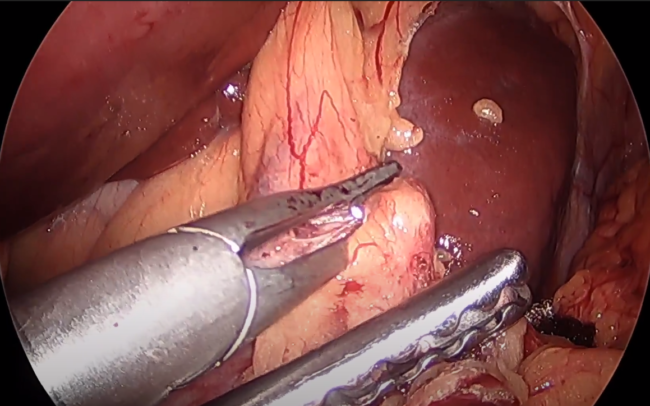
General thoracic surgeons are gaining expertise with minimally invasive esophagectomy (MIE). Laparoscopic total gastrectomy, however, remains an uncommon procedure for most general thoracic surgeons. This video demonstrates a laparoscopic total gastrectomy and omentectomy with roux-en-y reconstruction. The patient was a 61-year-old man who presented with dysphagia, weight loss, and anemia, and he was referred to…
Mark Bennett of the Southwest Cardiothoracic Unit in Plymouth, UK, discusses biomarkers for problems during cardiopulmonary bypass. He focuses on what the traits of an ideal biomarker would be, and he presents current and potential biomarkers for detecting acute kidney injury. This presentation was originally given during the SCTS Ionescu University program at the 2017…
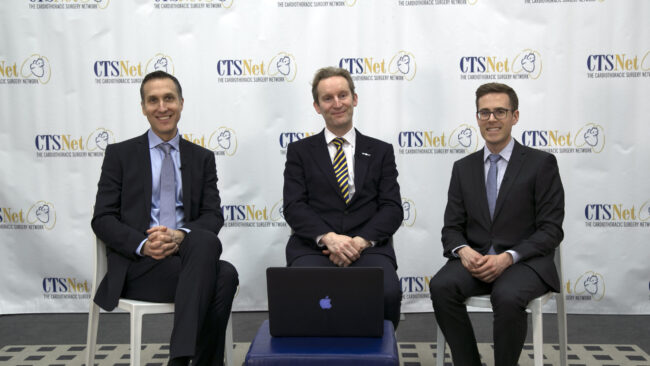
Filmed at the 2017 STS Annual Meeting in Houston, Texas, Blair Marshall of Georgetown University Hospital in Washington, DC, moderates a discussion on the experience of motherhood as a cardiothoracic surgeon. Dr Marshall is joined by Virginia Litle of Boston Medical Center in Massachusetts, Andrea Wolf of the Icahn School of Medicine at Mount Sinai…
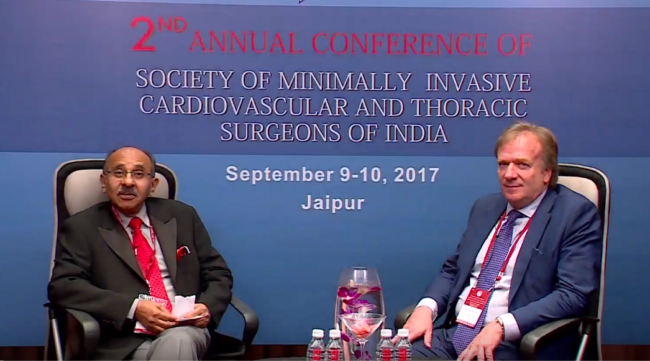
Dr Om Prakash Yadava and Professor Gino Gerosa discuss continuous flow devices compared with pulsatile flow devices and the debated issues involved. They also look at futuristic and evolving technologies in mechanical cardiac support and the treatment of end-stage heart failure. Prof Gerosa strongly votes for continuous flow devices. He feels that this evolution has…
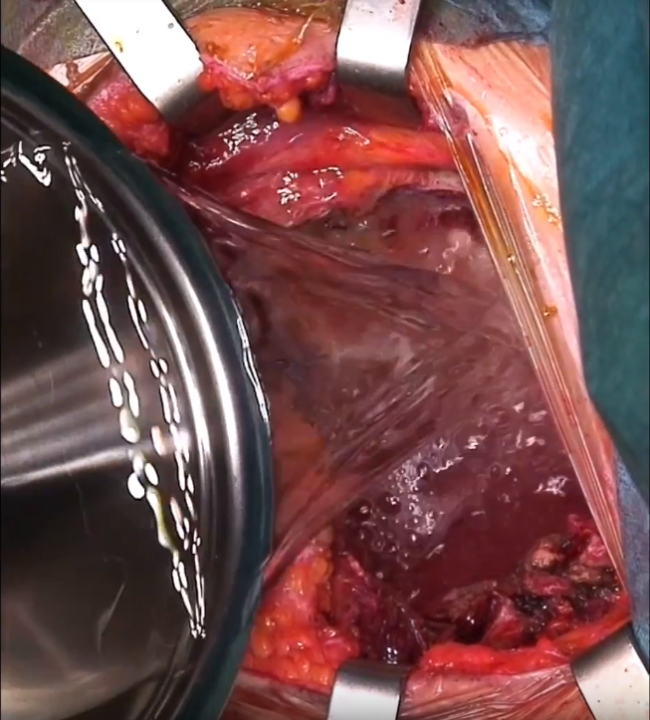
Introduction Dr Oscar Clagett described the open window thoracostomy in 1963 for treating postpneumonectomy empyema. This technique is still used in the management of bronchopleural fistula after lung resection. The opening into the chest wall allows repeated drainage, irrigation, and dressing of the cavity, and it lets the wound granulate and close over time. It…
Apostolos Nakas of the Glenfield Hospital in Leicester, UK, presents an overview of the surgical treatment of mesothelioma. Dr Nakas focuses on extended pleurectomy decortication, which is being evaluated in the MARS II trial, and he discusses other existing and upcoming studies on surgical and combination therapies. This presentation was originally given during the SCTS…
Filmed at the 2017 STS Annual Meeting, Joel Dunning of James Cook University Hospital in Middlesbrough, United Kingdom, moderates a discussion with Moishe Liberman and Eric Goudie, both of the University of Montreal. They discuss Dr Liberman’s method of dividing pulmonary vessels using an energy device and the multi-center study Dr Liberman and Mr Goudie are running…
This video demonstrates the author’s technique of right anterior minithoracotomy for placement of the Edwards Intuity rapid deployment valve. The procedure is performed for a patient with bicuspid aortic valve stenosis. It is completed with a total operative time less than 1.5 hours and via an incision less than 2 inches long.
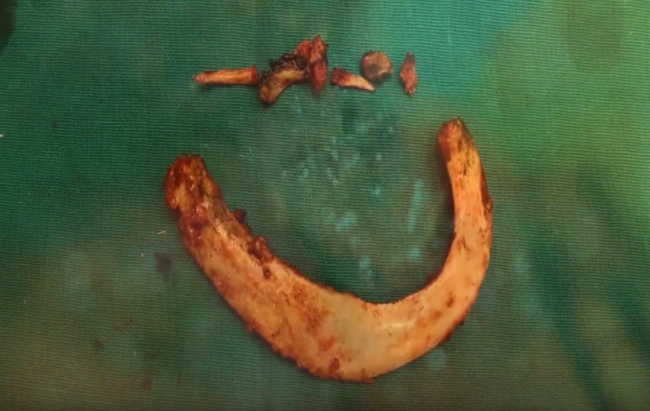
The cervical rib is an extra rib that arises from the seventh cervical vertebra. It is present in approximately 1% of the general population, and it is bilateral in half of these patients. Women are affected more than men. It is clinically significant when it causes neurovascular compression in the thoracic outlet. This video demonstrates…
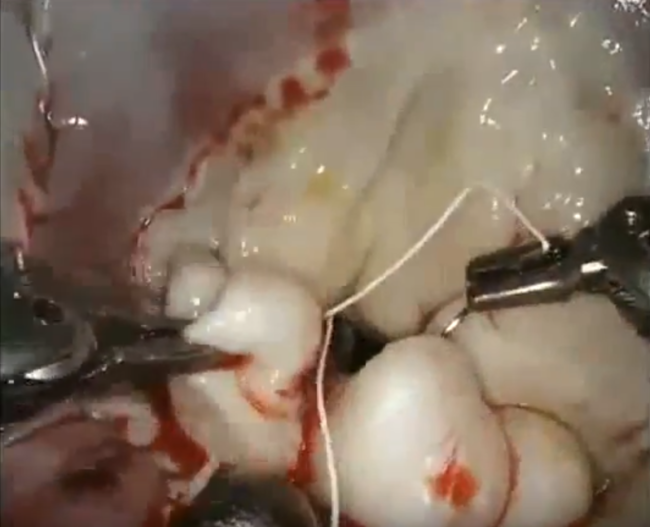
This video shows a mitral valve repair for a 52-year-old woman with severe, symptomatic mitral regurgitation secondary to a Barlow’s valve. Her left ventricle and left atrium are both enlarged. What is unique is that the procedure was performed with what the authors believe are the smallest chest incisions used by any surgical team in…
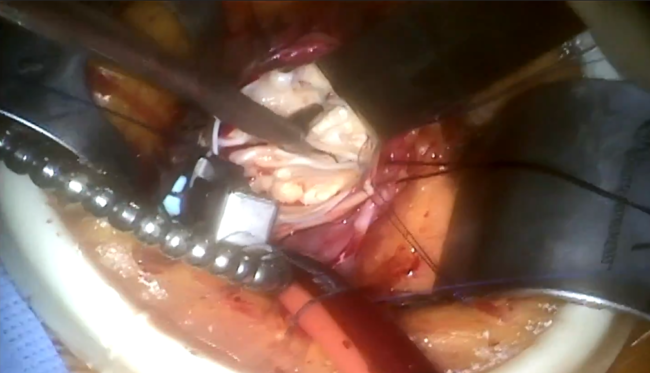
The video provides a step-by-step guide for performing a minimally invasive aortic valve replacement via right thoracotomy, with an emphasis on the pearls and pitfalls. The implantation of a bioprosthetic tissue and sutureless valve is described. The video is organized according to the following phases of the operation: preoperative, cannulation, exposure, and implantation. Disclosure Dr…
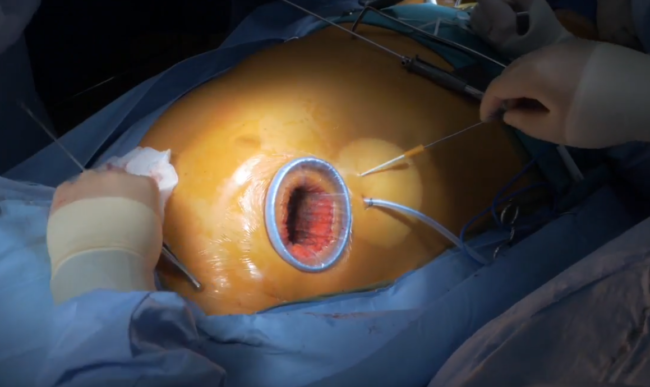
This video demonstrates the technique of port access mitral valve surgery. Patient Selection Any patient with mitral valve disease with or without tricuspid disease, atrial septal defect, and atrial fibrillation can be considered for a port access approach. The preoperative exam determines the suitability of the particular patient. If a thick chest wall or a…
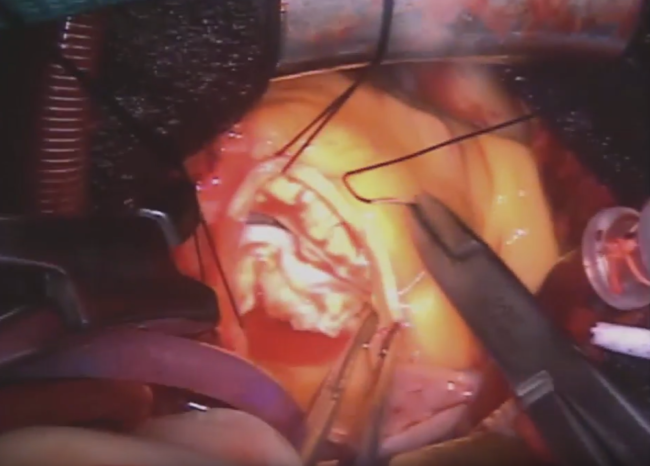
This video demonstrates the technique for performing aortic operations through a ministernotomy. The authors discuss the details of getting a good view through the ministernotomy, technique for working through a smaller incision and ensuring a secure anastomosis, and stable closing of the ministernotomy wound.
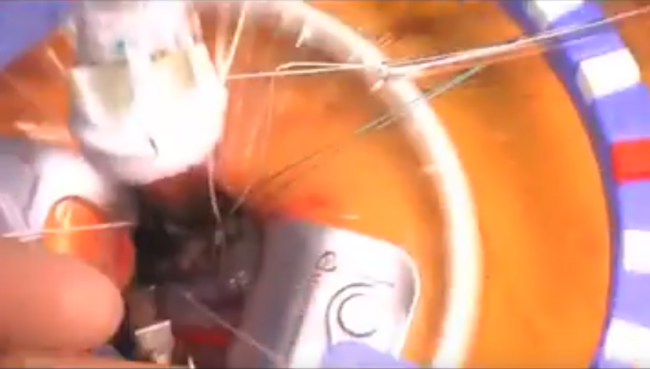
Mitral valve repair is the gold standard treatment for degenerative mitral valve (MV) regurgitation, and minimally invasive access allows for excellent exposure of the MV and subvalvular apparatus while minimizing surgical trauma. The use of polytetrafluoroethylene neochordae for replacement of ruptured chordae tendineae was introduced over twenty years ago (1). The so-called loop technique with…
Transcatheter aortic valve replacement (TAVR) is changing the landscape of the treatment of structural heart disease. There are now more TAVRs than isolated surgical AVRs done in the USA. The authors believe it is crucial for cardiac surgeons to be full partners in this procedure. To do so, surgeons need to understand the valves and the…